
Health

8 Steps That Will Help You Get Your Posture Back

You can improve your posture with small tweaks that will help the head, neck, shoulders and back be aligned in a natural way. These adjustments can decrease pain, increase stability and strength, and allow for a better range of motion.

The best thing to do is become aware of bad habits and try to correct them

1. Stretch Your Muscles

Poor posture is usually the result of weak muscles. Regular stretching can help strengthen those muscles, making it easier to stand or sit up straight. Stretching can also increase your awareness of muscle imbalances and tightness, allowing you to correct them.

For instance, a common problem is forward head posture, which can be caused by looking at a computer or smartphone all day. To remedy this, you can try a simple pose called child’s lunge. To do it, start on your hands and knees with your hips stacked directly under your knees and your feet together. Slowly begin to walk your hands toward the front of the mat, lowering your torso until you can rest your forehead or chin on the floor.

Another great posture exercise is planking, which is a good way to stretch your back and chest muscles. You can do this by lying on the floor with your body in a straight line, with your stomach muscles tight and shoulders back and rolled slightly forward.

2. Move Your Body

Whether you’re moving or sitting or standing, the right posture helps reduce pressure on muscles and ligaments. It also helps prevent aches and pains that can affect your quality of life.

Static posture—the position of your body while still—is important, but so is dynamic posture, which is the movement your body goes through when walking, running or playing sports. Dynamic posture requires core strength and flexibility as well, and exercise can help with both of these things.

For example, you can perform a “standing chest opener” to stretch your shoulders and upper back, or you can do the pigeon pose to loosen up your hips and spine. These exercises are especially helpful when they work the muscles that are tight or weak due to poor posture.

Other posture-improving moves include crunches and planks, which target the core muscles that connect your spine to your pelvis. You can also do a few repetitions of the Superman move, in which you lie on your stomach and simultaneously raise your arms and legs up a few inches off the floor.

3. Change Your Habits

Good posture is about more than just standing up straight. It’s about avoiding pain and injuries, and it can help you feel your best.

Whether you’re sitting at a desk all day or hunched over on the couch while watching TV, any position you stay in for too long can make your back hurt. The key is to change your habits and move around often enough so that your spine isn’t stuck in one position for hours on end.

Sitting for too long can cause you to slouch, which puts an extreme curve in your spine and makes your shoulders drop down in front of your chest. This can put a strain on your neck and lungs, and it may even make you look smaller.

To check your posture, stand against a wall and measure the distance between your head and the wall. There should be less than 2 inches between those two points, which is the ideal space for good posture. Throughout the day, try to keep this in mind and correct your posture whenever you notice yourself slouching.

4. Get a Better Sleep

When people think of posture, they often focus on standing and sitting positions. However, there is a third type of posture that affects your health just as much — sleep posture.

The way you sleep can have a significant impact on your back, neck, hips, and knees. If you spend a night in a position that places excess pressure on these areas, or even keeps them in a twisted position, then this can lead to pain throughout the day and prevent you from getting the restful sleep you deserve.

This is why finding a mattress and pillows that help you sleep in good posture is so important. A good pillow should support the natural curve of your spine and allow you to relax without putting stress or strain on any part of your body. It should also be soft and comfortable, so you can get restful sleep that will leave you feeling rejuvenated in the morning.

5. Strengthen Your Muscles

You can strengthen the muscles that support good posture with gentle exercises like those in yoga and Pilates. They work to balance the weak muscles of the back and stomach, which often cause poor posture. Improving your posture will also make you more aware of the way your body moves, so you’ll notice any areas of tightness or imbalances that need to be addressed.

A common posture problem is slouching, which puts an extreme curve in the spine and compresses your lungs. This makes it difficult to breathe deeply, and it can also affect your appearance. In addition, slouching can lead to neck problems such as muscle strain or pinched nerves.

A physical therapist can help you correct your posture and prevent future injuries. They can teach you exercises to strengthen the supporting muscles and give you advice on how to avoid slouching in daily life. They may recommend that you wear a posture corrector, which can help improve your posture while sitting or standing and prevent back pain. They can also recommend other strategies to get your posture back, including a healthy diet and proper sleep habits.

6. Breathe Right

Your mom may have nagged you to sit up straight and stand tall, but the truth is that good posture helps the body look and feel its best. Poor posture can lead to neck and shoulder pain, back aches, and other health problems.

There are two types of posture: static posture, which refers to your body’s position when you’re not moving; and dynamic posture, which refers to your body’s positioning while you’re in motion, such as walking or running.

One of the best ways to get your posture back is to learn how to breathe correctly. Proper horizontal breathing uses the diaphragm muscles, which means that your belly moves in and out while your shoulders and chest stay still. To try out this breathing technique, sit down and relax your shoulders and neck. Then, inhale slowly through your nose for about two seconds. Once you’ve inhaled, exhale for about four seconds. Repeat this several times to see what correct breathing feels like.

7. Change Your Environment

We’ve all been nagged by our parents to sit up straight and keep our shoulders back. But good posture is more than just an aesthetic. It’s also crucial to our long-term health and wellbeing. Poor posture can lead to back pain, spinal dysfunction, a potbelly, rounded shoulders and a host of other problems.

Practicing proper body alignment can help us feel more energetic throughout the day, and it can boost our self-esteem and mood. It can even help prevent breathing problems, such as shortness of breath, caused by slouching which limits lung capacity.

Start by performing a wall test to see where your posture is at. Stand with your back against the wall, with your feet a little wider than shoulder-width apart and the back of your heels touching the ground. Then check that your feet, hips, shoulder blades and back of the head all rest against the wall without any strain or effort. If this is not the case, it’s time to make some changes. Good posture requires a combination of exercises, lifestyle changes and routine adjustments to the environment that will help you achieve and maintain a healthy posture.

8. Learn a New Posture

When you hear the term “good posture,” you might think of puffed -up cartoon soldiers or hunched over models and celebrities. But good posture actually looks more natural and neutral than that, explains Leah Zhang, a Los Angeles- based certified teacher of the Alexander Technique, which helps people reduce physical tension, use muscles efficiently and improve movement. It also encourages body awareness.

Keeping your spine in a healthy neutral position will help prevent back pain, increase energy levels and allow your lungs to expand, helping you breathe deeply. You can start by doing simple exercises to strengthen the support muscles of your torso and pelvis, such as those found in yoga and Pilates. You can also try to consciously practice standing tall and moving your shoulders down and back.

Getting your posture back will take time, but it’s worth the effort. So, don’t give up and remember to make small changes each day. It might feel uncomfortable at first, but over time your new posture will become natural and you’ll be glad you spent the time working on it.

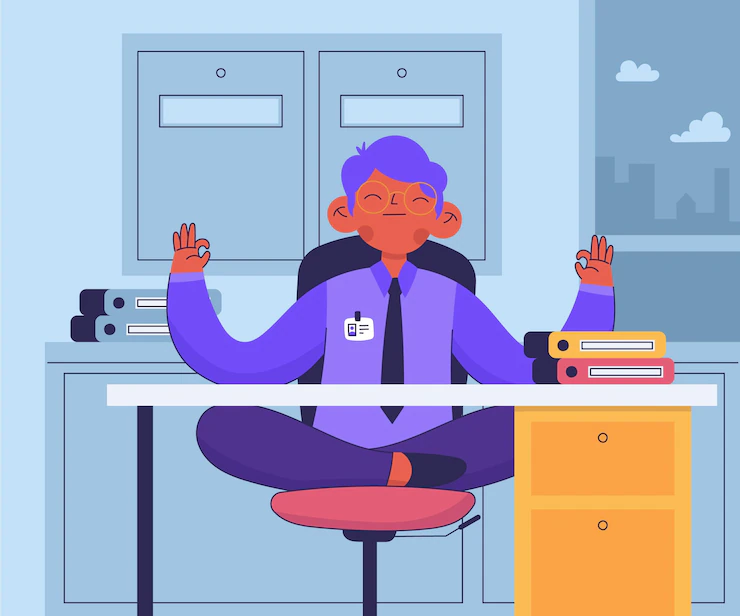
Exploring How Workplace Mental Health Issues Impact Global Mental Health

Workplace Mental Health

The global mental health crisis is a complex issue that affects people from all different walks of life. Many of us are familiar with the physical and psychological effects, but what about the workplace environment? In this article, we’ll be exploring how workplace mental health issues can have an impact on global mental health, why platforms like this are so important, and ways to create healthier working environments. Read on to find out more!

Exploring Workplace Mental Health Issues

When it comes to workplace mental health, there are a number of issues that can impact an individual’s well-being. From depression and anxiety to burnout and stress, these problems can have a serious effect on an individual’s ability to perform their job.

In addition, workplace mental health issues can also lead to absenteeism, presenteeism, and turnover. This can not only impact the individual who is struggling with their mental health, but also their coworkers and the overall productivity of the company.

That’s why it’s so important for companies to create a platform where employees can openly discuss their mental health concerns. By doing so, companies can not only support their employees but also improve their bottom line.

Causes of Workplace Mental Health Issues

There are a number of causes of workplace mental health issues. Some of these are specific to the workplace, while others are more general in nature.

One cause of workplace mental health issues is job insecurity. This can be caused by a number of factors, such as downsizing, restructuring, or simply not having enough work to do. When people feel like their jobs are at risk, it can lead to a great deal of stress and anxiety.

Another cause of workplace mental health issues is bullying. This can take many forms, including verbal abuse, physical abuse, and social ostracism. Bullying can have a very negative impact on someone’s mental health, and it is often one of the main reasons why people leave their jobs.

A third cause of workplace mental health issues is burnout. This occurs when people feel overwhelmed by their work responsibilities and feel like they are not able to meet all of their obligations. Burnout can lead to a loss of interest in work, depression, anxiety, and other mental health problems.

Finally, another cause of workplace mental health issues is discrimination. This can occur when people are treated unfairly at work because of their race, gender, sexuality, or other factors. Discrimination can lead to feelings of isolation, low self-esteem, and depression.

Impact of Workplace Mental Health on Global Mental Health

Mental health is a global issue, and workplace mental health is a significant contributor to the problem. According to the World Health Organization, depression is the leading cause of disability worldwide, and it is estimated that by 2030, depression will be the second-leading cause of death.

Workplaces are where we spend a large majority of our time, so it makes sense that our mental health would be impacted by the environment there. The way we are treated at work, the amount of stress we experience, and whether or not we feel supported can all have a significant impact on our mental health.

There are a number of ways in which workplace mental health can impact global mental health. For one, if employees are not mentally healthy, they are less productive and more likely to take sick days. This can have a ripple effect on businesses, as well as the economy as a whole. In addition, workplace mental health issues can lead to an increase in accidents and errors. This not only puts employees at risk but can also impact customers and clients. Finally, when employees are struggling with their mental health, they are more likely to leave their job. This increases turnover rates and can make it difficult for businesses to find and retain talent.

A platform like Mental Health at Work can help to address these issues by providing support and resources for employers and employees alike. By creating a safe and supportive environment at work, we can help to improve mental health globally.

Benefits of a Global Mental Health Platform

There are many benefits of having a global mental health platform. A platform like this can help to:

-Increase awareness of mental health issues and their impact on individuals, families, and communities

-Provide a space for open dialogue about mental health issues

-Connect people from all over the world who are struggling with mental health issues

-Share resources and information about mental health services and support

-Empower individuals to take action to improve their own mental health and the mental health of those around them.

Steps to Create a Global Mental Health Platform

In order to create a global mental health platform, there are a few steps that need to be taken. First, it is important to assess the needs of the population that will be using the platform. Second, experts in mental health should be consulted in order to design the platform in a way that will be effective. Finally, the platform should be piloted in order to ensure that it is meeting the needs of those who will be using it.

Creating a global mental health platform is an important step in addressing workplace mental health issues. By taking the time to assess the needs of the population and consult with experts, we can ensure that the platform is designed in a way that will be most helpful for those who need it.

Why the Need for a Global Mental Health Platform Matters

There is a growing need for a global mental health platform to address workplace mental health issues that impact businesses and economies around the world. Mental health disorders are a leading cause of disability, and they cost businesses billions of dollars each year in lost productivity, absenteeism, and healthcare costs.

A global mental health platform like Kaya would provide a way for businesses to share information and resources, and to connect with each other to find solutions to the challenges of workplace mental health. Such a platform would also help to raise awareness of the importance of workplace mental health and to encourage more companies to invest in programs and support for their employees.

The need for a global mental health platform is clear. By bringing businesses together to address this growing problem, we can make a difference for employees and employers around the world.

Health Benefits of Chia Seeds

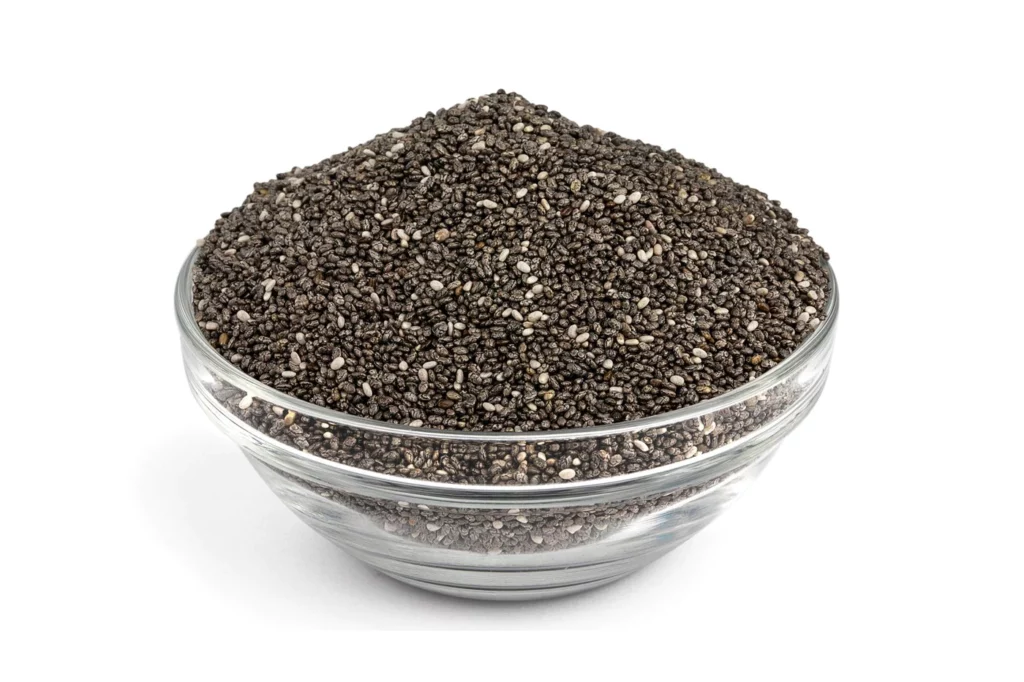
chia seeds

Chia seeds are an ancient superfood coming back in recent years. These tiny seeds are packed with nutrients and offer various health benefits. In this article, we will explore the health benefits of chia seeds. From improving digestive health to aiding in weight loss, chia seeds are a versatile and healthy addition to any diet. We will also provide tips on incorporating chia seeds into your daily routine.

What are chia seeds?

Chia seeds are tiny black seeds from the Salvia hispanica plant, which is native to Mexico and Guatemala. They have been a staple food of the Aztec and Mayan cultures for centuries. The word “chia” comes from the Nahuatl word chian, which means “oily.”

Chia seeds are an excellent source of nutrients, including protein, fiber, omega-3 fatty acids, antioxidants, and calcium. They are also a good source of energy. One tablespoon of chia seeds contains about 120 calories and 5 grams of protein.

Chia seeds have a variety of health benefits. They can help you lose weight, lower cholesterol and blood pressure, improve digestive health, and increase energy levels. Chia seeds are also said to promote skin health and reduce the risk of some cancers.

Nutritional value

Chia seeds are an excellent source of nutrients. They are a good source of dietary fiber, protein, omega-3 fatty acids, and antioxidants. Just one ounce (28 grams) of chia seeds contains 11 grams of fiber, 4 grams of protein, and 18% of the Daily Value (DV) for calcium (1).

Chia seeds are also a good source of other minerals, including phosphorus, magnesium, manganese, and zinc (1). One ounce of chia seeds has 32% of the DV for phosphorus, 30% of the DV for magnesium, and high levels of manganese and zinc (1).

Health benefits

Chia seeds are a nutritional powerhouse. Just one ounce (28 grams) of chia seeds provides 11 grams of fiber, 4 grams of protein, 18% of the RDA for calcium, and 27% of the RDA for phosphorus. Chia seeds are also a good source of zinc, copper, and manganese.

The health benefits of chia seeds are due to their high nutrient and antioxidant content. Chia seeds can improve heart health, reduce inflammation, stabilize blood sugar levels, and promote weight loss.

Chia seeds are high in fiber which can help to keep you regular and promote gut health. Combining soluble and insoluble fibers in chia seeds can also help lower cholesterol levels.

The omega-3 fatty acids in chia seeds are beneficial for heart health. They can help to lower blood pressure and LDL (bad) cholesterol while increasing HDL (good) cholesterol levels. Omega-3 fatty acids also have anti-inflammatory effects, which can be helpful for conditions like arthritis or Crohn’s disease.

The high antioxidant content of chia seeds helps to protect cells from damage and may help to reduce the risk of some chronic diseases like cancer or heart disease. Antioxidants also have anti-aging effects and can help to improve skin health.

Chia seeds are a good source of protein essential for tissue repair and growth. Protein is also necessary for the production of enzymes and hormones.

How to eat chia seeds

Chia seeds are an excellent source of dietary fiber, protein, and essential vitamins and minerals. They can be eaten whole or ground into a meal or flour. Chia seeds can also be soaked in water or juice to make a gel-like substance that can be used in place of eggs or oil in recipes.

To eat chia seeds, simply add them to your favorite food or beverage. You can also soak them in water or juice overnight to create a gel-like substance. Chia seeds can also be ground into a meal or flour and used in recipes.

Soaking chia seeds before eating them helps to improve their digestibility and nutrient absorption. When soaked, chia seeds swell and form a gel-like substance that contains all of the nutrients from the seed. This makes it easier for your body to absorb the nutrients from the chia seed and reduces any potential digestive issues.

If you are looking for a nutritious way to add more fiber and protein to your diet, try adding chia seeds to your favorite foods and beverages. You may be surprised at how versatile and delicious they are!

Recipes with chia seeds

Chia seeds are a nutritional powerhouse. A small amount packs a severe punch of fiber, protein, antioxidants, and omega-3 fatty acids. They’re also incredibly versatile and can be used in sweet or savory dishes. Here are some recipes to get you started:

-Chia Seed Pudding: This simple pudding is a great way to start your day or enjoy it as a light dessert. Just combine chia seeds with milk (dairy or plant-based), the sweetener of your choice, and any desired flavorings. Let it sit for a few minutes to thicken, then enjoy!

-Chia Seed Jam: Don’t feel like cooking? No problem! Whip up a quick and healthy jam using chia seeds. Simply combine equal parts berries and chia seeds, then add a little sweetness (honey, agave nectar, etc.) to taste. Let it thicken for 10-15 minutes, then spread it on your favorite toast or crackers.

-Chia Fresca: Also known as “Mexican Gatorade,” this refreshing beverage is perfect for hot summer days. Combine chia seeds with water and freshly squeezed lime juice. Add sweetness if desired, then let it sit for about 15 minutes so the chia seeds can plump up. Pour over ice and enjoy!

Conclusion

Chia seeds have many health benefits, which is why they have become such a popular health food in recent years. Chia seeds are high in fiber and protein and are also a good source of omega-3 fatty acids. This combination of nutrients makes chia seeds an excellent addition to any diet. If you’re looking for a healthy snack or breakfast option, consider adding chia seeds. You’ll get all the nutrients your body needs to stay healthy and energized all day.