business relationships

Business Relationship Trust Factors: Why Clients Choose You & Commitment in Business

Business relationship trust factors

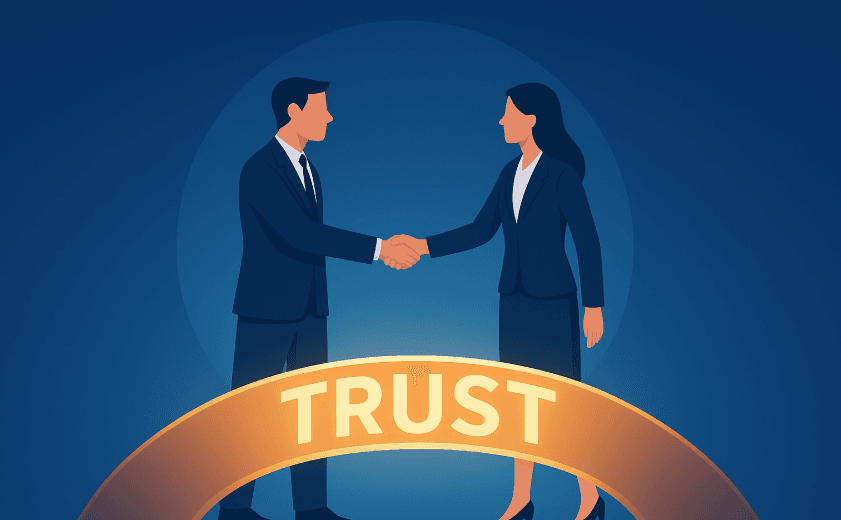
Business relationship trust factors are the foundation of success in every industry. Clients don’t just buy your product or service; they buy you—your reliability, your commitment, and your ability to deliver. Business means commitment, and without trust, no relationship—whether personal or professional—can survive.

In this article, we’ll explore why clients do business with you, what trust factors matter, and how startups can build lasting business relationships.


Why Clients Do Business With You

Clients choose to work with you for more than just price or product features. The trust in business relationships comes from:

  • Consistency – delivering on promises every single time.
  • Transparency – being clear in communication and pricing.
  • Expertise – showcasing your knowledge and ability.
  • Commitment – proving that you’re in it for the long run.
  • Problem-solving attitude – clients need solutions, not excuses.

When these trust factors are visible, clients not only choose you but also recommend you to others.


Business Means Commitment

A true business relationship is built on commitment. This means:

  • Standing by your word even when things get tough.
  • Taking responsibility instead of shifting blame.
  • Respecting deadlines and contracts.
  • Showing long-term dedication, not just short-term gain.

Commitment is what converts a one-time deal into a long-term business relationship.


Key Trust Factors in Business Relationships

Here are the major trust factors for startups and established businesses alike:

  1. Honesty and Transparency – No hidden terms, no false promises.
  2. Consistency – Delivering the same high-quality results every time.
  3. Strong Communication – Clients value regular updates and clarity.
  4. Reliability – Being available when needed.
  5. Mutual Respect – Treating clients as partners, not just paychecks.
  6. Security – Ensuring confidentiality of sensitive business information.
  7. Commitment – Proving that you are reliable long term.

Building Trust as a New Business Startup

For startups, gaining trust is often the hardest challenge. Here are startup trust factors that can make a difference:

  • Showcase Expertise Early – Share case studies, blogs, or projects.
  • Start Small, Prove Big – Take smaller contracts and deliver beyond expectations.
  • Leverage Testimonials – Even one happy client’s words can build confidence.
  • Be Accessible – Quick responses build reliability.
  • Offer Value Before Money – Free consultation or guidance can win hearts.
  • Invest in Branding – A professional image builds credibility instantly.

When clients see your dedication, they begin to trust your commitment, even as a new entrant in the market.

Business relationship trust factors

Why Trust Is the Currency of Business

In today’s competitive world, products can be copied and prices can be matched. The only thing that sets you apart is trust. A trusted business relationship ensures:

Trust is the real currency in business—it buys loyalty, stability, and growth.


Final Thoughts

Business relationship trust factors are not just “nice-to-have” elements; they are the lifeline of success. Clients do business with you because they see honesty, reliability, commitment, and expertise. For startups, building trust may take time, but once earned, it becomes the strongest foundation for long-term success.

Business means commitment, and commitment builds trust.


FAQs on Business Relationship Trust Factors

Q1: Why is trust important in business relationships?

Trust ensures clients feel secure, respected, and valued—leading to repeat business and referrals.

Q2: How do startups build client trust?

By delivering consistently, being transparent, showcasing expertise, and offering value early on.

Q3: What makes clients choose one business over another?

Commitment, trustworthiness, reliability, and problem-solving ability are often more important than price.

Q4: How does commitment strengthen business relationships?

Commitment shows clients that you are dependable in both good and bad times, which deepens loyalty.

Q5: What is more important—price or trust?

In the long run, trust is more valuable than price. Clients prefer reliable partners over the cheapest option.

Q6: How do you turn a first-time client into a long-term partner?

By delivering value consistently, maintaining open communication, and always putting trust before transactions.

Why You Should Avoid Salespeople Who Say “If You Need Anything, Please Contact Me”

proactive selling

Why Proactive Selling Matters? In today’s fast-moving business environment, customers expect more than just polite service—they expect meaningful engagement and problem-solving. That’s why proactive selling has become a vital skill for any successful salesperson.

Yet, far too often, sales conversations end with a vague, unhelpful phrase:
“If you need anything, feel free to contact me.”

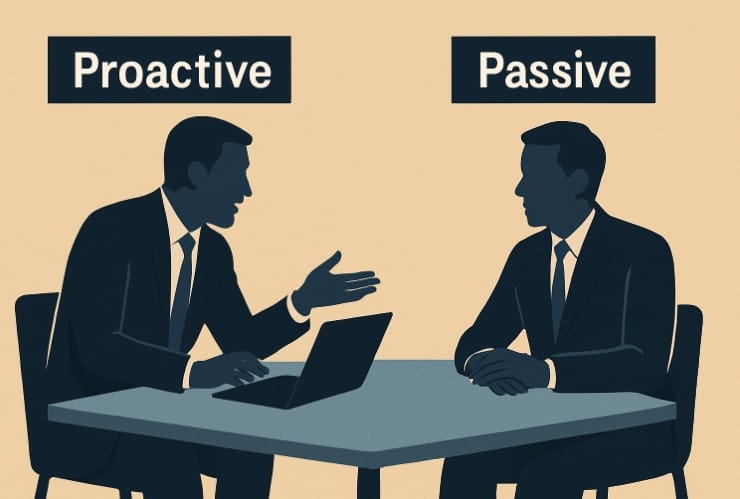
At first glance, it might seem courteous or professional. But in reality, this phrase often signals a lack of initiative, poor preparation, and no real sales strategy. Let’s break down why this kind of passive selling is a red flag—and why true professionals embrace proactive selling instead.


1. They Wait Instead of Solving Problems

True sales professionals don’t sit back and wait for you to identify your own problems. They take the lead in uncovering pain points and presenting solutions without being asked.

Passive approach: “Let me know if you need anything.
Proactive approach: “I noticed your procurement cycle is tightening—here are three supply chain options that can help.”

In proactive selling, the salesperson adds immediate value by anticipating your needs.


2. They Add No Real Value to the Conversation

Sales isn’t about being available—it’s about being valuable.

If a salesperson doesn’t offer insights, ideas, or tailored recommendations during your conversation, they’re wasting your time. A great sales interaction should leave you thinking:

  • “That’s a perspective I hadn’t considered.”
  • “This could genuinely improve our workflow.”

Proactive selling is about making every interaction useful—not forgettable.


3. They Hide Behind Politeness

Saying “If you need anything…” may sound respectful, but often it’s a mask for:

This isn’t selling—it’s playing it safe. Proactive sellers, on the other hand, are respectful and assertive. They engage, suggest, and lead with purpose.


4. It Signals Poor Research and Preparation

A salesperson who genuinely understands your market won’t need to ask for permission to help—they’ll already be showing you how.

“If you need anything…” = I didn’t study your business.
Proactive selling = “I reviewed your last product launch and noticed an opportunity for improvement.”

Great salespeople walk into meetings armed with ideas, data, and industry insights.


5. They Put the Burden on You

You’re already managing tight deadlines, budgets, and multiple vendors. The last thing you need is a salesperson who waits for instructions.

What you really need is a partner who:

  • Shares updates before you ask
  • Flags potential delays or supply issues
  • Recommends cost-saving alternatives
  • Suggests product innovations
  • Provides competitor insights

Proactive selling means making your life easier—not harder.


6. There’s No Ownership or Follow-Up

Sales doesn’t end after the deal is closed. That’s when trust and delivery really matter.

Salespeople who use phrases like “Reach out if needed” are unlikely to follow up on their own. And if they’re passive before the sale, they’ll likely be unavailable when problems arise afterward.

A real partner takes ownership—before, during, and after the sale.


7. It Shows a Lack of Commitment

That one sentence—“Let me know if you need anything”—can speak volumes. It often means:

  • They didn’t care enough to prepare
  • They’re not motivated to follow up
  • They’re hoping you will drive the relationship

Proactive selling requires commitment. Great salespeople don’t wait to be asked—they look for ways to help from Day 1.


8. They’re Not Selling—They’re Just Passing Messages

Sales is not about forwarding emails or handing over catalogs. A real salesperson does much more:

  • Asks smart questions
  • Listens actively to your goals
  • Gives customized advice
  • Solves challenges before they become problems

“If you need anything…” is what a receptionist says—not a trusted business advisor.


9. You Deserve a Sales Partner, Not a Placeholder

Your business, your time, and your reputation matter. You should expect a sales experience that delivers:

  • Insightful communication
  • Timely support
  • Strategic thinking
  • Ongoing value

A passive salesperson who waits to be contacted isn’t a partner—they’re a placeholder. And in business, placeholders can cost you opportunities.


10. Great Salespeople Are Always a Step Ahead

Top-tier sales professionals don’t wait for your call. They’re already thinking about how to support you better—even when you’re not buying.

They:

  • Follow up consistently
  • Share market updates or supply changes
  • Offer guidance when new challenges arise
  • Find ways to optimize costs or operations
  • Build trust through proactive selling

They’re one step ahead, not one step behind.


Final Thoughts: Value Over Presence

In today’s noisy and competitive market, silence is not a strategy.

Salespeople who say, “If you need anything, contact me” are not being helpful—they’re avoiding responsibility. They’re relying on presence instead of value.

Before choosing to work with a salesperson, ask yourself:

  • Did they offer something insightful during the conversation?
  • Will they follow up proactively after the sale?
  • Can they be trusted to understand and support my business?

If the answer is no, walk away.

Because in business, you don’t need someone who’s simply available—you need someone who’s valuable. Choose proactive selling every time.


FAQs About Proactive Selling

Q1: What should a good salesperson say instead of “If you need anything, contact me”?
A: A professional should offer something specific:
“Would you like a detailed comparison report?” or
“I saw your recent announcement—can I show you a solution that aligns with your goals?”


Q2: Why is proactive selling important?
A: Proactive selling leads to better relationships, faster solutions, and stronger trust. It saves time, reduces risk, and keeps your projects moving forward.


Q3: Can passive salespeople become proactive?
A: Absolutely—through training, mentorship, and a mindset shift. Success starts when sales professionals focus on creating value, not just being present.