

🌟 The First Client Interaction: Where Relationships Begin
Your first client interaction is like planting a seed. If you plant it well and water it with the right care, it can grow into a long-lasting business relationship. But if you rush it or ignore it, the connection might never grow.
In business, especially in sales or consulting, how you start talking to a client can decide if they trust you or walk away. A great first conversation can open many doors in the future.
💡 Why Is the First Client Interaction So Important?
You only get one chance to make a first impression. Clients are often busy and get approached by many people. If you sound confused, pushy, or uninterested—they will likely forget you. But if you come across as prepared, polite, and helpful—they will remember you.
Here’s why it matters:
🚀 It can lead to future business: Even if no deal happens today, they may return to you later.
💬 It builds trust: People trust those who take time to understand them.
🧩 It sets the tone: Your first meeting shows how serious and professional you are.
🤝 It opens communication: Clients feel more comfortable sharing real needs when they feel respected.
✅ Basic Steps to Start the First Client Interaction
Step 1: Do Your Homework
Before reaching out to a client, learn about them. Even 10 minutes of research can help you speak with more confidence and relevance.
Look for:
- The company’s website – What do they sell or do?
- The client’s role – Are they a buyer, engineer, CEO?
- Their recent projects or news – Anything exciting or new?
- Their LinkedIn profile – You might find mutual interests.
➡️ Why it matters: When you show that you understand who they are, the client feels respected. It also saves both of you time during the call or meeting.
Step 2: Greet Them Warmly and Respectfully
Start with a polite greeting and a smile (even on phone calls, your voice shows your attitude). Use their name if you know it.
Examples:
- “Good morning, Mr. Li. Thank you for taking the time to speak with me today.”
- “Hello Ms. Priya, I’ve been following your company’s recent solar energy projects. Great work!”
➡️ Why it matters: A warm greeting shows that you’re friendly and respectful. It immediately builds comfort.
Step 3: Introduce Yourself Clearly
Let the client know who you are, what you do, and why you’re reaching out—but keep it short and simple.
Example:
“I’m Rahul, a consultant helping companies like yours source reliable energy storage systems from top Chinese manufacturers. I help reduce sourcing risks and ensure high-quality delivery.”
➡️ Why it matters: This builds your credibility and tells the client what value you offer.
Step 4: Ask About Their Needs
Don’t jump straight into selling your product. Instead, ask open questions to learn about their problems or goals.
Some examples:
- “Can you tell me what kind of energy solutions you’re currently using?”
- “What’s your biggest challenge when it comes to battery storage?”
- “What goals are you focusing on this quarter?”
➡️ Why it matters: These questions show that you care about their needs—not just your sales.
Step 5: Listen More, Talk Less
This step is the most powerful. Let the client speak freely. Don’t interrupt. Take notes if possible. Give them time to explain what they want.
Also, repeat what they say to show understanding. Example:
“So if I understand correctly, you’re looking for a safer, longer-life battery for commercial storage, right?”
➡️ Why it matters: Clients appreciate people who listen. Listening helps you suggest better solutions later.
Step 6: Offer Helpful Ideas, Not Just Products
Now that you understand the client’s problem, give a simple suggestion or share a quick story of how you helped a similar client. But don’t push a product yet.
Example:
“We recently helped a company in the UAE facing similar challenges. We sourced a certified battery system under $240/kWh with 5-year warranty support.”
➡️ Why it matters: Real stories and helpful suggestions build trust more than sales pitches.
⚠️ What to Take Care of During the First Interaction
✅ Be on Time
Whether it’s a call, video chat, or in-person meeting—never be late. It shows you value their time.
✅ Dress Neatly (for Video or In-Person)
Your appearance matters. Dress professionally and smile. Even on a video call, your background should be clean and quiet.
✅ Speak Clearly
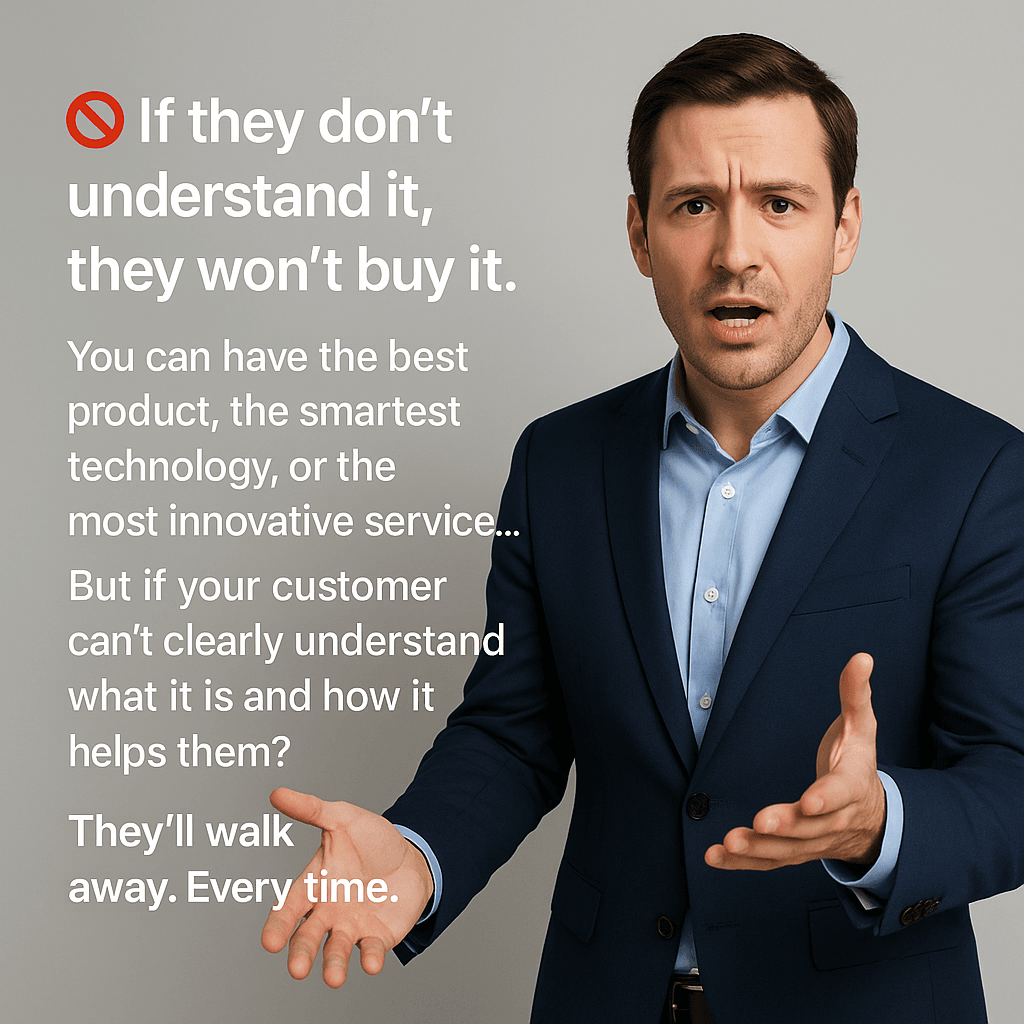
Use simple language. Don’t use technical words unless the client understands them.
✅ Don’t Talk Too Much
Keep your introduction short. Don’t overwhelm the client with too much information.
✅ Be Respectful of Silence
If the client pauses, don’t rush to speak. Sometimes they are thinking. Respect their space.
✅ Avoid Making Promises Too Early
It’s better to say “I will confirm this and get back to you” than to say something wrong.
❓ Common Questions and Answers
Q: What if I’m nervous?
A: That’s okay. Just stay calm and be honest. Clients appreciate real people more than perfect people.
Q: What if the client doesn’t talk much?
A: Ask simple open questions. For example:
- “Can you tell me a bit about your current setup?”
- “What would you like to improve in your current solution?”
Q: What if the client asks for price right away?
A: You can say:
“Sure, I can share pricing, but may I first ask a few questions to better understand your needs? That way I can give you the most accurate offer.”
🌱 Real-Life Example: A Simple Start Turned Into a Big Win
A few years ago, I met a new prospect from Southeast Asia. Instead of jumping into products, I simply asked, “What’s the biggest pain point in your current battery storage solution?” He opened up. We spoke for 90 minutes. 3 months later, we signed a project worth over $300,000.
💡 The client later said, “You were the only one who listened without trying to sell me something immediately.”
🔑 Final Words: Build Relationships, Not Just Deals
Your first client interaction is your golden opportunity. Don’t waste it with pushy sales talk or careless behavior.
Remember:
- Do your research
- Be kind and confident
- Ask and listen
- Offer help, not pressure
Business grows when people trust each other. And trust begins with that very first “hello.”