

Tag: Education

Why should you have trust in our online taxation homework help?

We understand the life of a Commerce student is quite stressful. They keep on looking for the best options to complete their vast burden of homework. With a subject like Taxation, we can understand the need for taking taxation homework help.

Taxation is quite a dense and complicated subject to tackle. To understand this vast subject, you need to go through regular updates and comprehension of different government policies, laws, and regulations. Even if you are a topper student, we can understand your situation. The vast number of assignments, research papers, and compilation of notes along with exam preparation certainly need help with homework. 

Even if professors and teachers help students to understand the world of taxation, they can’t spoon-feed students. In addition to this, professors can’t complete homework and assignments on behalf of students. We understand that learning strict guidelines on different tax policies and regulations between different countries may seem overwhelming. But, you don’t need to worry as we are here to help you. You can look for taxation homework help from experts. All you need to do is look for a good homework help provider.


The taxation homework help agencies cover

The world of taxation is too vast. There are lots of areas that need to be covered within a short span. There are also many tax-specific laws and regulations. When studying a challenging subject like taxation, it is important for students to get help with homework from someone who has adequate knowledge about taxation and related laws. When you choose a third-party agency for homework help, you get access to many educated experts who have expertise in the area of taxation. The experts can help you at each step of taxation.

Following are some of the major areas in which you can expect to get help with homework in taxation:

Income tax

It is a type of tax that is placed on the net profit of individuals and businesses. The income tax can vary as per the income level of different people and businesses. Income tax laws and rules also vary from one country to the other.

Corporate tax

This tax is applicable on income, net worth, capital, and different other taxes that corporations need to pay. Depending upon the type of corporation, there is a variance in the rate of tax.

Property tax

This is a type of tax that is imposed on a person if he/she inherits property from a family member. For example, if you receive any type of earnings from owning the property, you will need to pay property tax to the government.

Capital gains tax

This is a type of tax that is to be paid out of the proceeds of the sale of a major investment in a piece of property.


Types of taxation homework help you can expect

When it comes to a complicated subject like taxation, there are lots of intricacies involved. The biggest challenge associated with Taxation is that it is a progressive and ever-changing subject. Thus, you can’t expect to open your book and understand everything given inside the book.

Different nations have different tax policies and you are expected to understand all of them. Thus, you need detailed analysis and expertise when doing taxation homework. When you look for an online agency to help you with taxation homework, you will get access to experts who have vast knowledge in the domain. When compiling the assignment, the subject matter experts pay attention to every single detail. There is no such thing as “one size fits all” when it comes to accessing taxation homework help.

The third-party agency will enable you to feel confident about the application of knowledge. If you want to have an edge over other students, getting taxation help can be one of the best options.

Get in touch for the best Taxation homework help

It can be quite difficult for students to balance their studies as well as other academic tasks. We understand and empathize with students. The service you will get from us is highly affordable. Our subject matter experts will get in touch with you to understand your requirements. We have a single goal of helping students to focus on their knowledge and understanding as we are available to help you in completing your homework.

Thus, instead of worrying about deadlines, get ready to get homework help. Let us know if you need additional details. 

7 Tips for a Thriving YouTube Channel

Description: We have 7 amazing tips to make your youtube channel successful and if you are all set to attract more subscribers and more subscribers, views, and likes on your youtube channel and along with that a reliable and valuable audience, read this article till the end and make sure you use all these tips for a successful youtube channel and it’s like an extension for brands, aiding to reach till customers or clients these like a part of digital marketing, usually people use youtube make it a source of business by running their brand ads upon.


Whereas this is referred to as digital marketing, make sure before using the youtube method for the brand you must be required to know about digital marketing if you are lacking in using social media to reach the customer, so join today a digital marketing course institute where you’ll get lots of methods rather than youtube.


Let’s get started and learn seven crucial tips on how to successfully promote, share, and grow your video to build a YouTube audience that thrives.


1)  Build a YouTube audience with trust – make knowledgeable and a fresh content


When you make a YouTube video, be sure that it is helpful to your audience so you can build a genuine relationship.


You want them to trust that you deliver good content and that you respect their time. As opposed to insulting their intelligence with clickbait, aim to create solid, valuable pieces that are worthwhile for your audience to watch and share. Once you’ve proven your YouTube channel’s quality, people will be much more likely to come back to see what’s new. Finding the right video topics are key to making helpful content.


The best format to create a successful youtube channel is where you show tutorials, Product Reviews, and Vlogs. Educational content and Question & Answer. By building trust with your viewers, you’ll be able to build a YouTube audience that relies on you for answers to their problems and they’ll definitely love you for that.


2) Build your YouTube audience with content exclusivity


Beyond making great videos that set you apart from other YouTube channels, make sure your audience knows it.  Make sure they know how your content is different, better, and maybe a little bit exclusive.


Create some FOMO (fear of missing out) if they don’t watch. Brian Fanzo, an expert video creator, and keynote speaker explains that while ‘telling’ people to watch a video doesn’t often work, leading with new content makes people want to get involved. He explains:


“There’s a little of that, ‘Well, if I’m not participating in that, now I want to be a part of it. Release videos to a select group at first. Release ‘early access to videos from your website or email newsletter, so subscribers have first dibs.


Video consultant and YouTuber Owen Video suggests, “When we publish a new video, it’s unlisted for a day. This means that the public can’t find it, but you can send the link out to people.”  After that, release to everyone else via social media. Your inner circle YouTube audience will love being the first ones to see your new content, and they’re rewarded for subscribing to your newsletter.


3) Provide important context to each video


Clearly state what your video is about, upfront. The more specific, the better. Doing this respects your viewers’ time (again, building trust!) and encourages them to click on more of your videos. Provide context in the:


a) Title:- What is the main topic of your video, or what problem does Does it solve?


b) Description:- If this is a tutorial video, which software version does this address, specifically?


c) Webpage text:- What else does the audience need to know before deciding if they want to click on this video?


d) Video thumbnail:- What can you include in the thumbnail image that will clarify what the video is about?


e) First ten seconds of the video:- If possible, let people know the main points, so they are encouraged to keep watching the entire thing.


If your video has distinct topic sections, you can share this list as context, so viewers can jump to the topic that most interests them.


4)  Be consistent to build an audience on YouTube


While your content should vary, your publishing cadence should be predictable. It’s important as a YouTube creator to stick with a consistent publishing schedule for your video content. This lets your YouTube audience know when to look for your content, and they can anticipate what’s coming next. Be consistent about:


a) When you publish –  For, For example, put out a new YouTube video every Wednesday, and your audience will come to expect it.

Type of content you publish – If you’re a skateboarding expert, don’t suddenly share videos about trees.


b) Where you publish – Promote your new videos in the same methods, such as your email newsletter, website, social media, etc.


c) Interactions with viewers – Responding to video comments is a great way to build engagement.


5)  Test your content


Take the time to verify that your content is working with your YouTube audience.  Is it really what they want? Is it helping them? Is it interesting and/or entertaining enough for them to keep watching more? Take a good look at what other successful video creators are doing regarding how they promote their content. Also, review performance metrics from your own YouTube library. Compare your own videos’ performance to see what’s getting the best results. Always check twice about the below factors.


a) Title – Are some titles performing better than others?


b) Thumbnails – Are there clear winners that engage viewers?


d) Video context – What info do you need to include (and what is too much)?


e) The first 15 seconds – What format keeps viewers watching?


f) Video type – Which approach attracts the most engagement – talking head, first-person view, man-on-the-street, etc.?


g) Upload time and location – Does your audience view videos 9-5 Monday through Friday or a different time frame?


6) Get help and collaborate to build a YouTube audience


Even if you create content solo, you don’t have to promote videos by yourself. Leverage your current circle. Share your new video with your email list, spread the word with employees at your company, and ask your friends to check it out.  You can even incentivize sharing (just make sure you know influencer disclosure laws).


Get help through a course or other YouTubers. There are likely people in your organization who have some experience in building a YouTube audience, who could help you get started. Or, try an online course.


TechSmith’s free TechSmith Academy is one option to try. Collaborate with other creators. This works even if they’re targeting the same topics as you. In addition to cross-promoting each other’s content, you can also appear in videos together, and other types of co-branding. You’ll gain access to people who may not have found you otherwise.


7) Make your videos show up in search results


Search Engine Optimization (SEO) is critical to building a YouTube audience. Since YouTube is owned by Google  – and these two platforms are the biggest search engines – it’s largely how people find your videos, and how you can grow your reach.


a) Be specific. “The more specific you are, the more searchable you are,” explains YouTuber Andrew Kan. Skip the broad search terms. Instead, choose specific topics in your niche and make sure your titles and descriptions reflect that.


b) Lead with solutions. Instead of a glorified sales pitch, proactively answers viewers’ questions. Give them more value than they expect, and they’ll be more inclined to ‘like’, subscribe, and share your content, making it more findable.


c) Offer value in the title, description, and thumbnail.  Make sure your video’s title, description, and associated content clearly show the viewer why they should click, watch, and come back for more.


d) Creating videos on YouTube is key to your video marketing and content marketing efforts. And building a thriving YouTube audience goes far beyond just posting videos. We hope these tips are helpful as you continue to build your personal brand and grow your video online presence.


SEO and PPC: How to Use PPC Insights to Promote Content Marketing

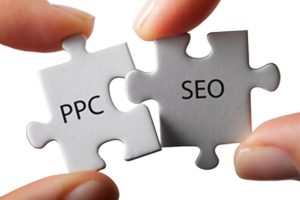
Nowadays, marketers have search engine optimization (SEO) and pay-per-click (PPC) marketing in their web traffic toolbox but unusually use both together. They either promise that search engine optimization individually will yield long-term profits and traffic, or that PPC can yield impressive results in a short amount of time.

But can they work together? In short, we answer in a resounding yes.

Similar to SEO, PPC can increase the performance of quality content in which your team has invested time and money into driving traffic, generating leads, increasing sales, improving online visibility, and boosting views.

The advantage of combining PPC with SEO strategies is that you can advance your content better. This allows you to determine what is working and what is not – for example, which language best resonates with customers and potential customers.

Instead of abandoning PPC in favor of SEO, use it to enhance your content marketing strategy and performance with these four tips.

If you don’t have knowledge of PPC or SEO there are lots of SEO institutes in Chandigarh and PPC institutes in Chandigarh for your help.

4 strategies to use SEO and PPC together for better results

  1. Use PPC advertisements to inform content strategy

Chances are that your marketing and content team has produced a detailed keyword strategy for your blog and on-page content that is dependent on keywords relevant to both your product and your industry or customer base.

However, by using SEO alone, you limit yourself to a slow trial-and-error process to identify which targeted keywords lead to conversions on the road. Not only is it time- and labor-intensive, but it can also waste opportunities to reach the key customers where they spend the most time: social and search. PPC lets you get in front of customers on these channels, giving you access to a faster, more responsive testing ground for keywords.

In fact, Americans spend about 2.5 hours per day on social media sites, where they see dozens of advertisements targeted for themselves and their friends’ interests. On the search side, the average Internet user uses Google to find 3-4 queries per day. Clicks on ads are approximately 2: 1 more than clicks on top organic listings.

By employing PPC ads — and researching what customers respond best on platforms like Google — you can learn from successful PPC keywords, which can increase click-through rates by up to 15%. Then use these insights to inform your SEO strategy and create more relevant content.

Get the most out of PPC-informed content strategy with these three tips:

  • Conduct A / B testing by running multiple ads for the same content with different titles to determine which keywords and copy resonate the most in ads. At the end of the test, update the content title to match the best-performing ad. You can test different landing pages and their contents to learn even more.

  • In your Google Ads account, go to the “Keywords” report for each campaign you are running. Here you will see the keywords that you have specified for the campaign. Navigate to the “Search terms” section of the report to see exactly what people are looking for when they come across your ad. Download this report and use it to inform keywords or other phrases for use in your SEO content.

  • Use business-intent keywords (which include terms like shopping, discounts, coupons, tests, etc.) to encourage customers to engage with specific products and landing pages, leading them along your sales funnel. Use the same keywords in the CTA on the page you’re promoting to drive customers to the sales funnel and boost SEO.

  1. Use PPC Ads to Guide Customers Through the Content Journey

Expert marketing teams know that the key to conversion success is an undeniable sales funnel, and quality content plays a key role in driving customers to their shopping journey. But waiting for organic traffic alone to guide customers to reassuring content can starve your funnel and fail to attract the attention of buyers who are ready to buy today.

A strong SEO strategy with PPC — one that uses competing for keywords and well-formatted, topical on-page content — encourages customers to check your content and products more often than they would otherwise.

This gives you additional touchpoints throughout the customer journey to ensure that shoppers see content that prompts them to use your products or services.

A great way to improve the customer experience with your content through a dual PPC and SEO strategy is to use product- and audience-specific ads to reach buyers to customized landing pages. These pages share headlines, support messaging, and CTAs that match the ad they clicked on to create a seamless experience.

  1. Use PPC Ads for Prime Customers to Capture More SERP Traffic for Content

While it may seem meaningless to pay for an ad on the SERP on which your content already ranks, this dual effort can improve brand awareness, CTR, and the likelihood that customers will see your products and services as a result. Will remember after leaving the page.

Users are more likely to click on the top results of the page and are more likely to click on paid ads below the results. In fact, the top result typically gets 30% clicks. As you move down the page, this rate decreases, resulting in # 3 receiving only 10% of clicks

By making two lists per search results page for your business, you make a passive brand affinity that boosts the click-through rate (CTR) of your repeat business. This can ensure that when customers are ready to buy, your company tops among those who have seen many of these listings before.

Multiple SERP results encourage new customers to click on your results even faster.

This strategy can be extended by creating customized content where the title and CTA match the ad, preventing a bounce when customers meet with a message that does not align with the content they create.

  1. Use PPC and social media ads to quickly generate traffic and promote content

Quality SEO content will not bounce you into overnight traffic. But PPC and SMM can.

PPC marketing permits you to bring traffic to your site very quickly by targeting your ideal customers, who they and their communities spend most of their time online.

This is especially useful when you are beginning a new website, creating a new blog, or selling a brand-new product.

In particular, consider these seven opportunities to promote content using advertisements:

  1. On Facebook, use the Boost Post feature to promote content that has generated clicks and engagement in the past to capitalize on its reach and speed.

  2. On social media, not only target your customers but also create campaigns focusing on their friends or similar-looking audiences.

  3. On LinkedIn, use sponsored updates, which act as a boost on Facebook, to promote long-form content and specific landing pages. LinkedIn works particularly well for B2B companies – a case study showed that a B2B SaaS company saw nearly 4 times higher ROI on LinkedIn promoted positions than AdWords.

  4. Using Facebook Pixel, build a remarketing campaign around your content. Track who sees your blog posts, and then advertise to encourage them to make a purchase, or read more of your content when new articles are released. Incorporating new content into your social media remarketing campaigns helps prevent ad fatigue when you’re running ads mostly down the funnel.

  5. Also, using the Facebook Pixel, promote content upgrades (such as whitepapers, webinars, or paid guides) to encourage people who visit your blog to engage even more with your brand.

  6. On Twitter, create 5-6 different tweets using different titles promoting the same content. Share these as a campaign, and then use the top performer to inform the best long-term title for the page under consideration.

  7. In search marketing campaigns, creating ads that use negative, conflicting keywords around your product, service, and industry is a great way to increase traffic. Use myths to expose them and show how your product or service contradicts the rest.

PPC ads rank before your SEO gains speed, generating more buzz for your brand for the keywords you want to rank higher and encouraging customer engagement from the search engine. Use a combination of these tools to create a marketing pair that cannot be lost.

Master Content and Search with SEO and PPC

Using PPC ads to enhance your SEO content marketing strategy will help increase your visibility, gather leads, and increase sales. But without the right strategy for both SEO and PPC, you will just do the work of sharing.

With this post, our pay-per-click marketing guide and a free trial of Alexa’s Advanced Plan will help you shape strategic PPC campaigns. These tools will help you research your industry and keywords, as well as use this information to support your overall marketing goals.