

🔋 Demystifying BESS Specifications: A Technical Guide for Energy Professionals 🔋
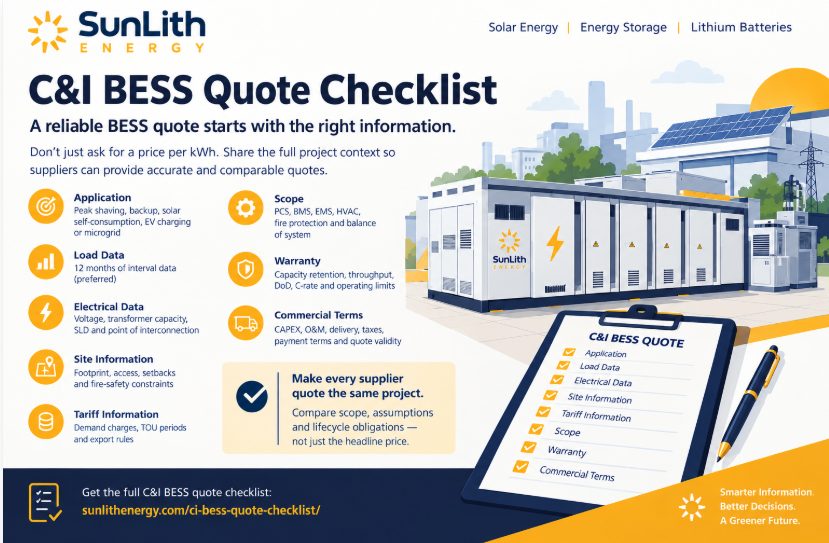
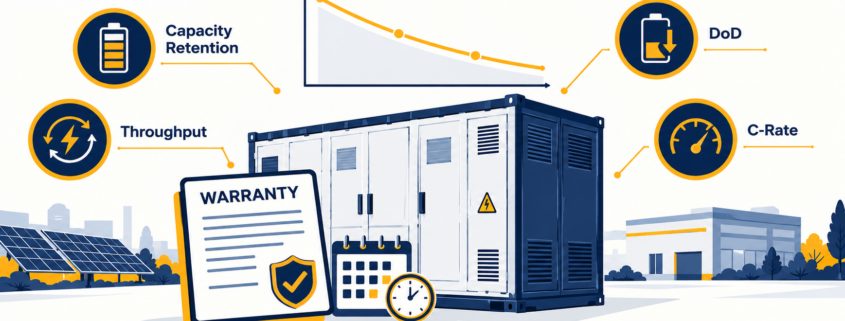
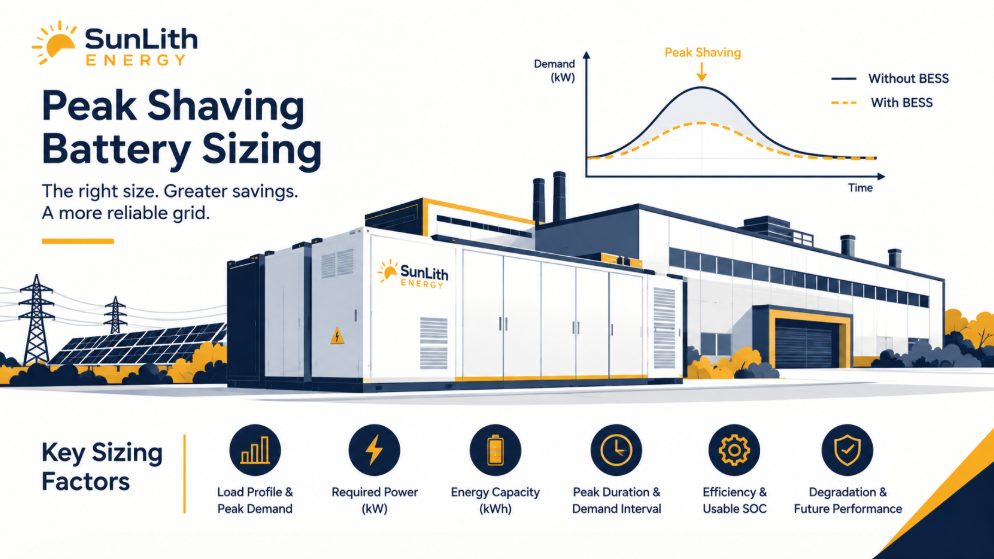
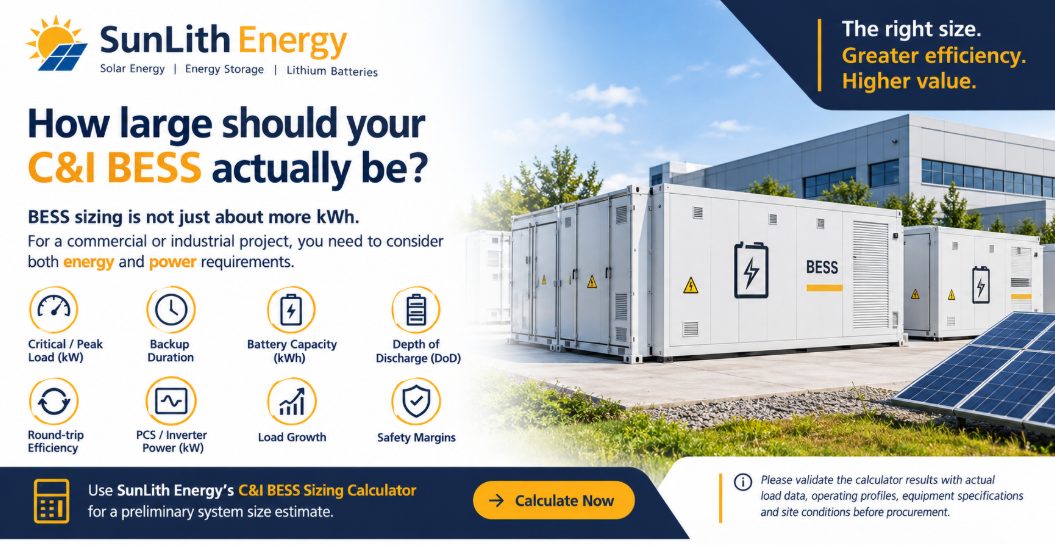
Evaluating a Battery Energy Storage System (BESS) involves navigating a sea of numbers—kW, kWh, C-rates, DoD, and RTE. Confusing them can mean the difference between a system that delivers for 20 years and one that underperforms on day one.Rahul Jalthar’s latest technical guide breaks down exactly what to look for on a BESS datasheet to ensure you are comparing suppliers on a true like-for-like basis.
Key Takeaways from the Guide:
Power vs. Energy: Why confusing instantaneous capability (kW) with total capacity (kWh) is the most common first-time mistake.
The RTE Trait: Why you should always design your project economics around AC (system-level) efficiency rather than DC (battery-level) efficiency.
Usable Energy Sizing: Sizing your project based on End-of-Life (EOL) usable energy, not Beginning-of-Life (BOL), to prevent capacity shortfalls in year 10.
The Grid-Forming Shift: How choosing between grid-following and grid-forming PCS specifications impacts high-renewable and island grid integration.
Whether you’re developing utility-scale containers or commercial & industrial (C&I) projects, this breakdown is an essential checklist for your procurement toolkit.
📖 Read the full technical guide here: Understanding BESS Specifications: Technical Buyer’s Guide
#EnergyStorage #BESS #RenewableEnergy #GridModernization #CleanTech #Sustainability #EnergyTransition #PowerEngineering