
Buddies Buzz Blog

In the Buddies Buzz blog, you'll find the latest news about the community, tutorials, helpful resources and much more! React to the news with the emotion stickers and have fun!

Why You Should Consider A Solar Inverter

Solar Inverter

If you’re thinking about going solar, you may wonder if a solar inverter is the right choice. In this blog post, we’ll discuss some of the benefits of solar hybrid inverters and why you should consider one for your home or business.

What Is A Solar Inverter?

A solar power inverter, also known as a PV inverter or solar converter, is a type of electrical converter that changes direct current (DC into alternating current (AC It is used to power equipment and appliances in homes and businesses that use AC electricity.

There are two main types of solar power inverters standalone and grid-tie Standalone inverters are not connected to the utility grid and are used in off-grid systems, while grid-tie inverters are connected to the utility grid

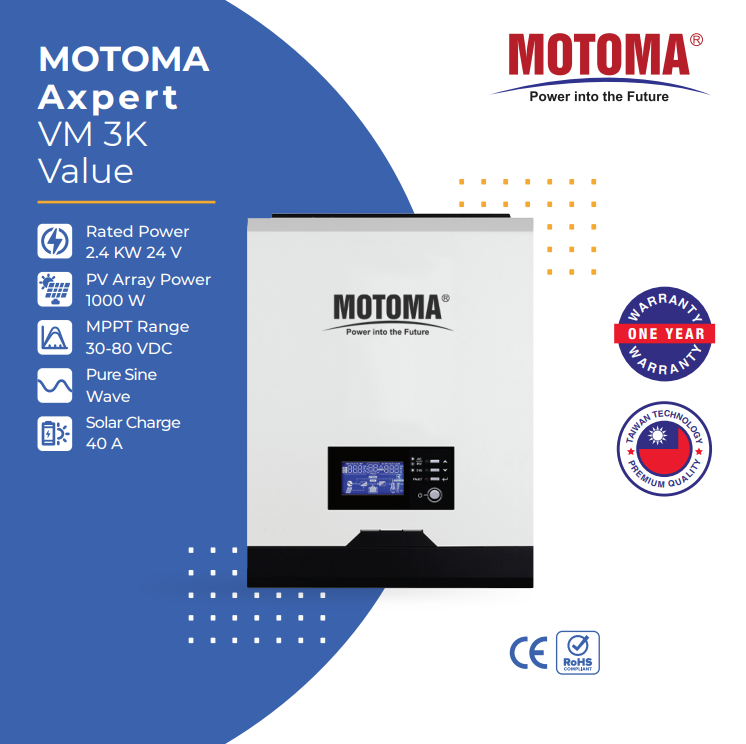
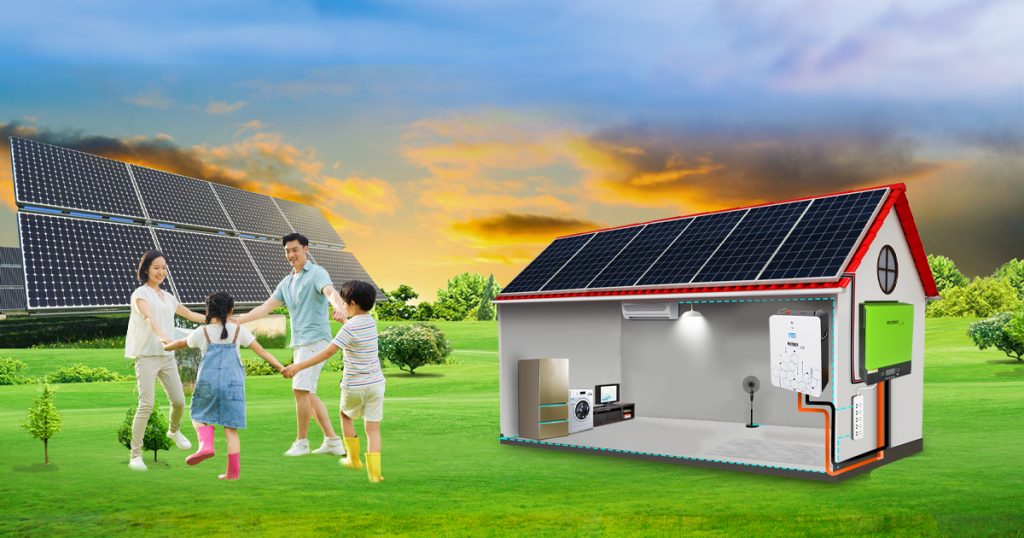
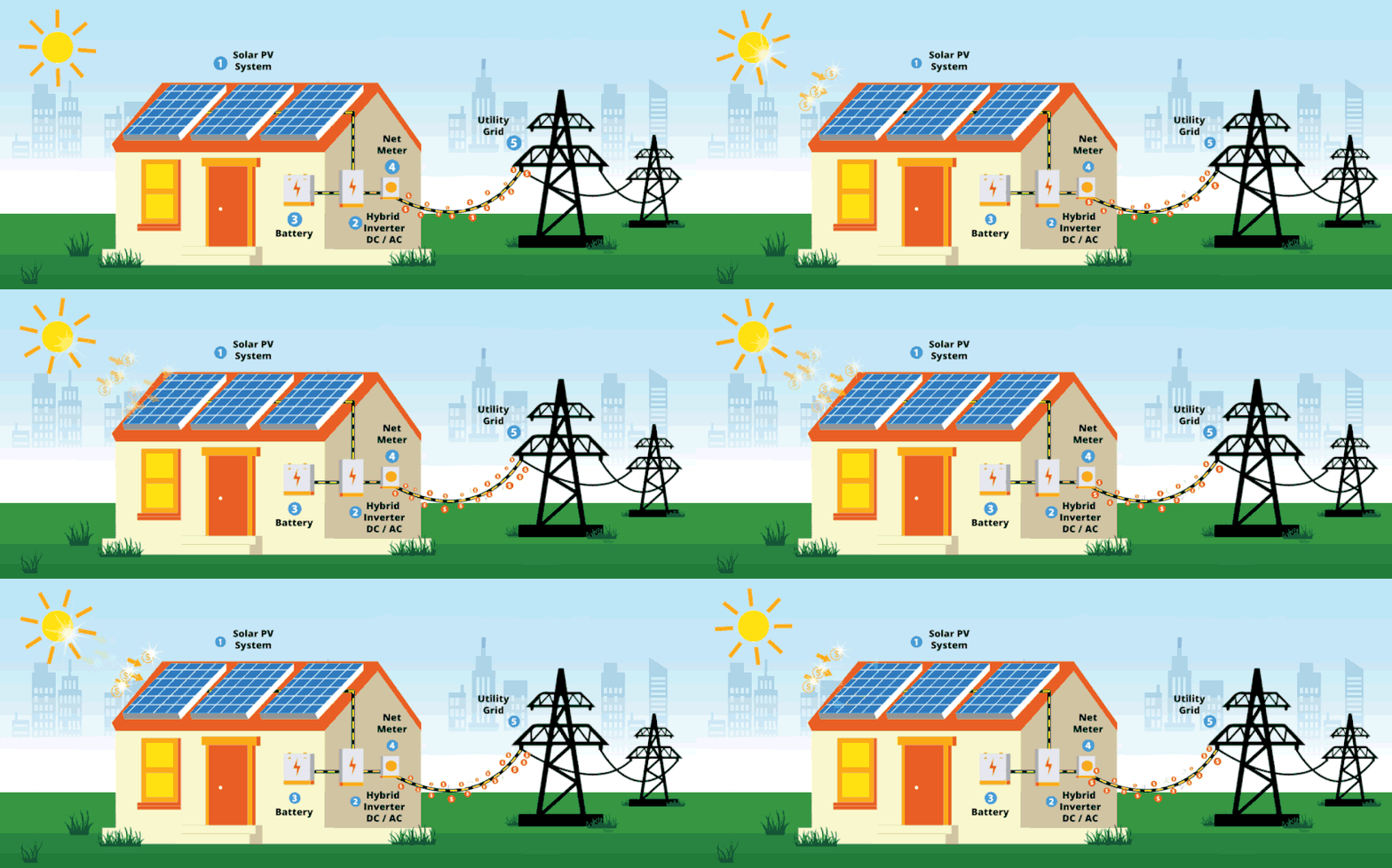
Solar hybrid inverters are a type of grid-tie inverter that can also be used in off-grid systems They are able to store excess energy in batteries for later use, making them ideal for backup power applications.

If you’re considering using solar power at your home or business, it’s important to understand the different types of solar inverters available so that you can choose the right one for your needs.

The Benefits Of A Hybrid Inverter

– The Pros and Cons Before making the switch to solar power, it’s important that you understand all of the pros and cons associated with this renewable energy source In this blog post, we’ll take a close look at the benefits and drawbacks of solar inverters so that you can make an informed decision about whether or not this technology is right for you.

If you’re considering making the switch to solar power, one of the most important decisions you’ll need to make is which type of inverter to use Solar inverters are devices that convert direct current (DC into alternating current (AC, making it possible for solar panels to generate electricity There are two main types of solar inverters string inverters and microinverters.

String Inverters String inverters are the most common type of solar inverter They work by connecting multiple solar panels together in “strings,” with each string having its own individual AC output The advantage of string inverters is that they are typically less expensive than microinverters, making them a good choice for those on a budget, However, string inverters can be less efficient than microinverters and may not work as well in shading conditions

Microinverters are smaller than string inverters and work by converting DC into AC on a per-panel basis This means that each panel has its own independent AC output, which can increase efficiency and allow your system to better handle shading conditions Microinverters also tend to be more expensive than stringed counterparts, so they may not be the best option if you’re working with a tight budget.

Why You Should Consider A Solar Hybrid Inverter

– Advantages of a Hybrid Inverter

A solar hybrid inverter can provide many advantages over a traditional power inverter.

A hybrid inverter is more efficient and can save you money on your electric bill.

A hybrid inverter is better for the environment and will help reduce your carbon footprint.

A hybrid inverter is easier to install and maintain than a traditional power inverter.

A hybrid inverter can provide you with backup power in case of an outage or other emergency situations.

How A Solar Hybrid Inverter Works

A solar power inverter is a device that converts the DC (direct current output of a photovoltaic (PV solar panel into an AC (alternating current voltage that can be fed into the electrical grid A solar hybrid inverter performs this same function, but also includes a battery backup system to provide power during periods of extended cloudy weather or when utility power is unavailable

Solar hybrid inverters are becoming increasingly popular as more homeowners and businesses look for ways to reduce their dependence on the grid There are many advantages to using a hybrid inverter, including

Increased energy independence – With a solar hybrid inverter, you can continue to produce power even when the grid is down, giving you a greater degree of energy independence

Reduced environmental impact – Solar power is a clean and renewable source of energy, so by using a solar hybrid inverter you can help to reduce your carbon footprint

Cost savings – A solar hybrid inverter can save you money by offsetting your electric bill with solar-generated electricity during times when utility rates are high

The Different Types Of Solar Hybrid Inverters

Basics The Different Types Of Solar Hybrid Inverters

As the use of solar power increases, so does the need for solar inverters A solar inverter is a device that converts DC (direct current electricity from your solar panels into AC (alternating current electricity, which is what your home or business uses There are different types of solar hybrid inverters available on the market, each with its own advantages and disadvantages

The three main types of solar hybrid inverters are string, microinverters, and central inverters String inverters are the most common type of solar hybrid inverter and are typically less expensive than other types Microinverters are less common but offer a higher efficiency rate and more flexibility when it comes to installation Centralized inverters are the most expensive option but offer the highest efficiency rate and allow for multiple inputs from different sources

When choosing a solar hybrid inverter, it is important to consider your specific needs and budget String and micro inverters are typically best for smaller installations, while central inverters are better suited for larger installations Be sure to consult with a professional to find the best option for your needs

What Is Solar Power? And Why Should You Be Interested In It Today?

Solar Power

With news of the Paris Climate Agreement, it’s clear that we’re rapidly approaching a time when sustainable energy will be necessary to support our planet. Solar energy has been on the rise in recent years, and for good reason – you can’t beat solar power for the ability to produce clean, renewable energy without having to rely on fossil fuels, which are becoming more and more difficult to get.

Introduction to Solar Power

As the world progresses, more and more emphasis is being placed on renewable energy sources. Solar power is one of the most promising renewable energy sources available today. Solar power is created by converting sunlight into electricity. This can be done through a variety of methods, but the most common method is photovoltaics. Photovoltaic cells, or solar panels, are used to convert sunlight into direct current (DC) electricity.

Solar power has many advantages over traditional fossil fuel-based energy sources. First, it is a renewable resource that will never run out. Second, solar power is a very low impact on the environment, as it emits no greenhouse gases during operation. Third, solar power is becoming increasingly cost-competitive with other forms of energy generation. And finally, solar power offers a great deal of flexibility in terms of applications – it can be used to generate electricity for a single home or business, or it can be scaled up to provide power for an entire community or even a utility-scale power plant.

Solar Power

If you’re interested in learning more about solar power and how you can take advantage of this clean, renewable energy source, read on for an introduction to solar power.

Types of Solar Panels

Solar power is a renewable energy source that has many advantages over traditional fossil fuels. Solar panels are becoming more efficient and less expensive, making them a viable option for homeowners and businesses alike.

There are two main types of solar panels: photovoltaic (PV) and concentrated solar power (CSP). PV panels convert sunlight into electricity, while CSP systems use mirrors to concentrate sunlight onto a small area to generate heat, which is then used to power a generator.

PV panels are the most common type of solar panel in use today. They are typically made from silicon, a material that is abundant on Earth. PV panels can be used to power everything from small electronic devices to entire homes and businesses.

CSP systems are more expensive than PV panels, but they have the advantage of being able to store energy in the form of heat. This makes them well-suited for applications such as providing backup power during an outage or powering a home or business during peak demand hours when electricity rates are highest.

Solar System Benefits

Solar power is a renewable energy source that can be used to generate electricity or heat. Solar power comes from the sun, and it’s natural, so it’s a sustainable resource. Solar power is also very efficient; it can be used to generate a lot of electricity with very little pollution.

There are many benefits to using solar power. One benefit is that it can help reduce dependence on fossil fuels. Solar energy is also good for the environment because it doesn’t produce pollution. Additionally, solar energy is a renewable resource, so it can help us preserve our natural resources. And finally, solar power is becoming increasingly more affordable as technology improves and costs decrease.

How Much Can You Save with Solar Power?

Solar power is a renewable energy source that can be used to generate electricity or heat. Solar energy is captured through the use of solar panels, which convert the sun’s rays into electrical energy. Solar is an environmentally-friendly and cost-effective alternative to traditional forms of energy generation, such as fossil fuels.

The amount of money you can save with solar energy depends on a number of factors, including the size and efficiency of your solar panel system, the amount of sunlight you receive, and your current energy consumption. However, you can generally expect to see a significant reduction in your energy bills after switching to solar. In some cases, homeowners have even been able to eliminate their electric bills entirely!

When Should You Consider Switching to Solar Power?

If you’re interested in reducing your carbon footprint and saving money on your energy bills, you may be considering switching to solar. But how do you know if solar is right for you? Here are a few things to consider when deciding whether to switch to solar:

  1. The amount of sunlight your home receives: Solar panels need direct sunlight to work effectively, so if your home doesn’t get a lot of sunshine, it may not be the best option for you.
  2. The size and orientation of your roof: Your roof needs to be large enough and facing the right direction (generally south) in order to accommodate solar panels.
  3. The cost of installation: Solar panel installation can be costly, so you’ll need to factor that into your decision. However, many homeowners find that the long-term savings on their energy bills more than make up for the initial investment.
  4. Your energy usage: If you use a lot of energy, switching to solar can help you offset a significant portion of your costs. Even if you don’t use a lot of energy, solar can still save you money by offsetting the cost of electricity from the grid.
  5. Your state’s incentives

What’s the Difference Between a Battery Backup and an Uninterrupted Power Supply (UPS)?

A battery backup is a device that provides power to a load when the input power source fails. A UPS also provides power to a load when the input power source fails, but it does so using batteries and/or an auxiliary power source.

Conclusion

Solar power is a renewable energy source that can be used to generate electricity and heat. Solar energy is becoming increasingly popular as an alternative to traditional fossil fuels, and there are many reasons why you should be interested in it today. Solar is environmentally friendly, it’s cost-effective, and it offers a great return on investment. If you’re looking for an alternative energy source that will help you save money and reduce your carbon footprint, solar power is definitely worth considering.

The Best Foods You Can Eat To Lose Weight

Lose Weight

When it comes to weight loss, there is no one-size-fits-all solution. What works for one person may not work for another. However, certain foods can help you lose weight.

These include foods that are high in protein and fiber, as they help you feel fuller for longer. They also tend to be low in calories, so you can eat more without gaining weight.

You can also get help by reading Food trivia questions and answers. If you’re not sure how much protein, fiber, or calories are in a food, check out this list of common foods and their nutrition facts.

Some of the best foods for weight loss include:

1. Salmon

Salmon is one of the best foods you can eat to lose weight.

Salmon is high in protein and omega-3 fatty acids, which are two nutrients that are essential for weight loss. Protein helps to build and maintain muscle mass, while omega-3 fatty acids help to burn fat.

In addition, salmon is also a good source of fiber, which helps to keep you feeling full and satisfied after eating. Fiber is essential for weight loss because it helps to slow down the digestive process, keeping you feeling fuller for longer.

Finally, salmon is also low in calories, making it a great choice for those who are trying to lose weight. A four-ounce serving of salmon contains just 120 calories, making it a great addition to any weight-loss diet.

2. Avocados and Spinach

When it comes to weight loss, there are a lot of different strategies that people swear by. Some people cut out carbs, some people up their protein intake, and some people just focus on eating less overall.

But one thing that almost everyone can agree on is that eating healthier, whole foods is a good idea – and that’s where avocados and spinach come in.

Avocados are a great source of healthy fats, which can help to keep you full and satisfied after meals. They’re also high in fiber and low in calories, making them a perfect food for weight loss.

Spinach is another great food for weight loss. It’s packed with nutrients and antioxidants and has been shown to help boost metabolism and reduce appetite.

So if you’re looking to lose weight, make sure to include plenty of avocados and spinach in your diet.

3. Eggs and Greek Yogurt

Eggs and Greek yogurt are two such foods. Both are high in protein and low in calories, making them ideal for weight loss.

Eggs are a great source of protein, providing all the essential amino acids your body needs. They’re also low in calories, with each egg containing only about 80 calories.

Greek yogurt is also an excellent source of protein. It’s also packed with probiotics, which are beneficial for gut health. Greek yogurt contains about twice as much protein as regular yogurt, making it a great option for weight loss.

Both eggs and Greek yogurt can help you lose weight by providing you with high-quality protein and keeping you full and satisfied. So if you’re looking to lose weight, be sure to include these two foods in your diet.

4. Broccoli

Broccoli is a nutrient-dense food that is low in calories and high in fiber. It is an excellent food to eat for weight loss because it helps to fill you up and keep you feeling full for longer. Broccoli is also a good source of vitamins and minerals, including vitamin C, calcium, and iron.

5. Lean Meats

When it comes to weight loss, lean meats are some of the best foods you can eat. Not only are they packed with protein, which helps to keep you feeling fuller for longer, but they also contain little to no fat.

Some of the best lean meats for weight loss include chicken, turkey, fish, and lean cuts of beef. These meats are all very low in fat and calories, but high in protein. They will help to keep you feeling satisfied after meals and help you to lose weight in the long run.

In addition to being low in fat and calories, lean meats are also a great source of nutrients. They are packed with vitamins and minerals that your body needs to function properly. Eating lean meats will help to improve your overall health and help you to lose weight in the process.

If you are looking to lose weight, be sure to include lean meats in your diet. They are some of the best foods you can eat and will help you to reach your goals.