

Buddies Buzz Blog

In the Buddies Buzz blog, you'll find the latest news about the community, tutorials, helpful resources and much more! React to the news with the emotion stickers and have fun!

Yunnan: China’s Hidden Gem of Culture, Nature, and Timeless Beauty

yunnan

Nestled in the far southwest of China, Yunnan Province is a traveler’s dream: a land of breathtaking beauty, rich ethnic diversity, and age-old traditions. From snow-capped mountains and terraced rice fields to ancient towns and vibrant markets, Yunnan is a sensory feast.

Often overlooked by first-time travelers to China, Yunnan offers an authentic and diverse experience of the country—one that is laid-back, culturally immersive, and scenically unmatched.

This blog post dives into why Yunnan is famous, where to go, what to do, how to get there, and how to make the most of your visit.


Why Is Yunnan Famous?

1. Diverse Ethnic Cultures

Home to 25 recognized ethnic minorities, Yunnan is the most ethnically diverse province in China. Each group brings its own customs, languages, festivals, and dress.

2. Unmatched Natural Scenery

From the snow-covered Meili Snow Mountains to the lush jungles of Xishuangbanna, Yunnan’s landscapes are as diverse as its people.

3. Historical Significance

Yunnan has been a part of the ancient Tea Horse Road, linking China with Tibet and Southeast Asia through trade and cultural exchange.

4. Mild Climate

Thanks to its varied topography, Yunnan enjoys a spring-like climate year-round, especially in the capital city of Kunming, known as the “Spring City.”


How to Reach Yunnan

1. By Air

  • Kunming Changshui International Airport (KMG) is the main gateway with direct flights from major Chinese cities and international destinations like Bangkok, Singapore, Kuala Lumpur, and Kathmandu.
  • Other airports: Lijiang (LJG), Dali (DLU), and Shangri-La (DIG).

2. By Train

  • High-speed trains now connect Kunming with Chengdu, Guiyang, Nanning, and even Hong Kong.
  • Regular trains are available to Lijiang, Dali, and beyond.

3. By Road

  • While scenic, road travel in Yunnan is slower due to mountainous terrain.
  • Buses are available but best suited for local or regional exploration.

Top Places to Visit in Yunnan

1. Lijiang Ancient Town

A UNESCO World Heritage Site, Lijiang is a beautifully preserved town of winding stone lanes, canals, and wooden houses. It’s home to the Naxi ethnic group and famous for its romantic atmosphere.

  • Don’t miss: Black Dragon Pool, Naxi music performances, and climbing to Lion Hill for sunset views.

2. Dali

Located between the Cangshan Mountains and Erhai Lake, Dali offers old-world charm and bohemian vibes. The Bai ethnic group calls this area home.

  • Highlights: Dali Old Town, Three Pagodas, boat rides on Erhai Lake, and cycling along scenic trails.

3. Shangri-La

High on the Tibetan Plateau, Shangri-La is a gateway to Tibetan culture within Yunnan. Snowy mountains, prayer flags, and Buddhist monasteries await.

  • Must-see: Songzanlin Monastery, Pudacuo National Park, and Napa Lake.

4. Yuanyang Rice Terraces

These mind-blowing terraces have been carved into mountains by the Hani people over centuries. They’re best seen at sunrise or sunset for surreal reflections.

5. Kunming

As Yunnan’s capital, Kunming is a modern yet relaxed city. It’s often used as a hub for exploring other destinations but has plenty to offer on its own.

  • Visit the Stone Forest (Shilin), Dianchi Lake, and Yuantong Temple.

6. Xishuangbanna

This tropical area in southern Yunnan borders Laos and Myanmar. It’s known for rainforests, wild elephants, and Dai culture.

  • Key attractions: Wild Elephant Valley, Menglun Botanical Garden, and water festivals in April.

Things to Do in Yunnan

1. Trekking

Yunnan has some of the best hiking trails in China:

  • Tiger Leaping Gorge: One of the world’s deepest canyons, perfect for 2-3 day treks.
  • Meili Snow Mountain Base Camp: For experienced hikers craving high-altitude adventure.

2. Experience Ethnic Culture

Attend traditional festivals like the Torch Festival (Yi people) or the Water Splashing Festival (Dai people). Visit local homes, wear traditional dress, and try your hand at indigenous crafts.

3. Ride the Erhai Bike Loop

Cycling around Erhai Lake in Dali is one of the most scenic activities you can do. Stop at local villages, lakeside cafes, and photo spots along the way.

4. Hot Springs and Wellness

Yunnan’s mountainous geography is dotted with natural hot springs, such as Anning Hot Springs near Kunming or Xizhou Hot Springs near Dali.

5. Tea Tasting in Pu’er

Explore the origins of China’s famous Pu’er tea. Visit plantations, watch traditional tea processing, and attend tea ceremonies.

6. Visit Flower Markets

Yunnan is China’s top flower-producing province. Visit Kunming’s Dounan Flower Market, one of Asia’s largest wholesale flower markets.


Local Cuisine of Yunnan

Yunnan cuisine is as diverse as its culture—full of flavor, spice, and earthy ingredients.

Must-Try Dishes:

  • Crossing-the-Bridge Noodles (过桥米线) – A soul-warming noodle soup with a legendary origin.
  • Wild Mushroom Hotpot – Rich, umami-packed hotpot made from foraged mushrooms.
  • Stir-fried Insects – A delicacy in many ethnic communities.
  • Er Kuai – A chewy rice cake served grilled, stir-fried, or stuffed.

Beverages:

  • Pu’er Tea – A fermented tea known for its digestive and health benefits.
  • Yunnan Coffee – The province has recently gained fame for high-altitude, small-batch coffee plantations.

Best Time to Visit Yunnan

Yunnan can be visited year-round, but the best time varies by region.

Spring (March–May)

  • Ideal for Kunming, Dali, and Lijiang.
  • Flowers bloom, and weather is mild.

Summer (June–August)

  • Great for high-altitude destinations like Shangri-La and Tiger Leaping Gorge.
  • Xishuangbanna is lush but humid.

Autumn (September–November)

  • The best time for trekking and rice terrace photography.
  • Crisp air and golden colors dominate the landscape.

Winter (December–February)

  • Mild winters in Kunming and Dali.
  • Snowfall in Shangri-La creates dramatic mountain scenes.

Where to Stay in Yunnan

Luxury:

  • Banyan Tree Lijiang
  • Songtsam Lodges (Shangri-La) – Boutique Tibetan-inspired luxury.
  • InterContinental Kunming

Mid-Range:

  • The SilkTree Hotel, Dali
  • Lijiang Wangfu Hotel

Budget:

  • Mama Naxi Guesthouse (Lijiang)
  • Green Forest Hostel (Kunming)

Travel Tips for Yunnan

  • Altitude sickness is real in places like Shangri-La. Acclimate slowly and stay hydrated.
  • Language barrier: English isn’t widely spoken; use translation apps or hire a guide.
  • Cash or Alipay: Mobile payment dominates in China. Carry some cash for remote areas.
  • Cultural sensitivity: Ask before photographing locals, especially during religious ceremonies or festivals.

Off-the-Beaten-Path Destinations in Yunnan

1. Dongchuan Red Land

  • Vivid red and green layered farmland, especially stunning after rain.

2. Luoping

  • Famous for golden canola flower fields in spring.

3. Weishan Old Town

  • An untouched alternative to Dali and Lijiang with Ming dynasty charm.

4. Jianshui Ancient Town

  • Home to well-preserved Confucian temples and traditional bridges.

Final Thoughts: Why Yunnan Should Be on Your China Bucket List

Yunnan is not just a destination—it’s an experience. It’s where you wake up to the sound of prayer bells in Shangri-La, walk through time in ancient towns, sip tea with locals in tiny villages, and feel the earth shift under your feet as you trek through gorges and mountains.

Whether you’re seeking cultural depth, natural beauty, or simple tranquility, Yunnan welcomes you with open arms and endless stories.

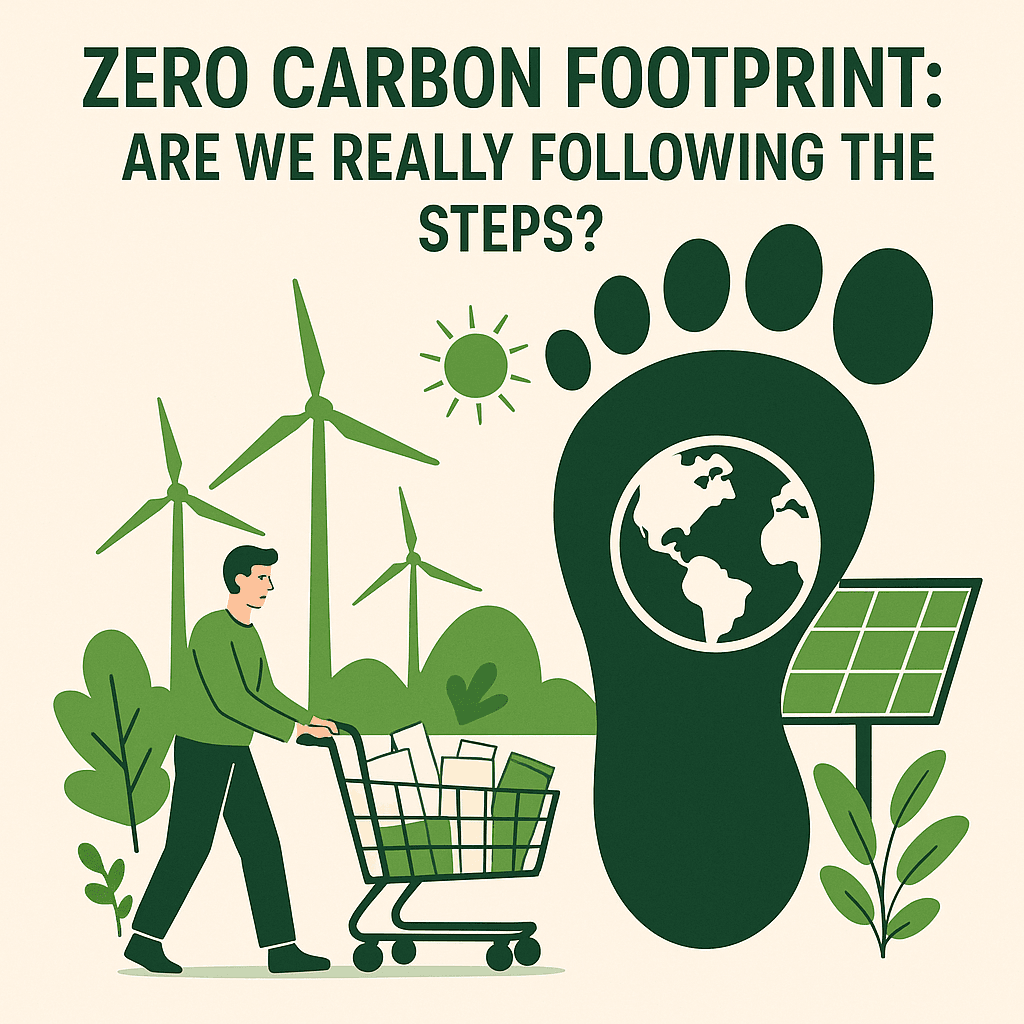
Zero Carbon: Are We Living the Truth or Selling Ourselves a Lie?

Zero Carbon Footprint

In an era of growing climate anxiety, “zero carbon footprint” has become a buzzword echoed across boardrooms, government policies, and marketing campaigns. From eco-conscious consumers to multinational corporations, everyone seems to be marching toward a greener future. But behind this noble goal lies a critical question: Are we really following the right steps to achieve a zero carbon footprint? Or are we unknowingly sabotaging progress by prioritizing convenience and cost over sustainability?

In this blog post, we’ll dissect the idea of a zero carbon footprint, explore whether our actions align with our climate goals, and investigate how the mass consumption of low-grade, cheap products might be undermining the entire movement.

What Is a Zero Carbon Footprint?

A zero carbon footprint refers to balancing the amount of carbon dioxide (CO₂) emitted into the atmosphere with an equivalent amount of CO₂ removed or offset. This goal is often associated with the broader concept of ‘net zero emissions,’ which means not adding any more greenhouse gases to the atmosphere than we take out.

In theory, it’s a brilliant and essential goal. But in practice, achieving zero carbon requires sweeping changes across every sector: energy, transportation, manufacturing, agriculture, and personal consumption.

The Global Push for Zero Carbon: Where Do We Stand?

Governments, corporations, and individuals have all made pledges to go green. Here’s what this movement looks like in action:

– Countries like Sweden and New Zealand aim to reach net zero by 2045 and 2050, respectively.

– Corporations such as Apple, Google, and Microsoft have pledged to become carbon neutral or even carbon negative.

– Cities are investing in green infrastructure, public transportation, and clean energy systems.

But behind this façade of progress lies a fundamental contradiction. Many of these efforts are built on consumption patterns that directly contradict sustainability.

The Elephant in the Room: The Rise of Low-Grade, Cheap Products

The modern consumer market is flooded with cheap, low-quality goods, often produced with minimal environmental or labor regulation. From fast fashion to single-use electronics and plastic household items, the global economy thrives on a “use and throw” mentality.

Here’s how this impacts our carbon goals:

1. Shorter Lifespan Means Higher Waste

Cheap products usually have a shorter lifespan, resulting in more frequent replacements, increased production cycles, and a greater volume of waste.

2. Poor Manufacturing Standards

Low-grade products are often made in regions with lax environmental controls, leading to higher energy use (from fossil fuels), hazardous chemical discharge, and pollution.

3. Transport Emissions

Shipping cheap goods worldwide increases CO₂ emissions. Maritime shipping alone contributes about 3% of global greenhouse gases.

4. Low Recyclability

Low-quality products are often non-recyclable due to mixed materials or inferior plastics, overwhelming landfills and recycling systems.

Greenwashing: The Convenient Lie

Greenwashing is when companies claim to be environmentally friendly without taking meaningful action. For instance, a brand may label plastic packaging as “recyclable” even if it ends up in a landfill due to inadequate recycling infrastructure.

The Psychological Trap: Cheap = Better?

Consumers often equate low price with smart spending, but the hidden environmental cost of cheap products includes pollution, deforestation, and emissions throughout the supply chain.

Case Study: Fast Fashion

A $5 T-shirt might seem like a bargain, but it likely consumed thousands of liters of water, was shipped across the globe, and will be discarded quickly. Fast fashion is a major climate offender.

Are We Willing to Pay the Price for Sustainability?

Sustainable products may cost more upfront but offer durability, reduced emissions, and ethical production. Choosing these over cheap alternatives is vital for real climate action.

The Role of Manufacturers: Profit vs. Planet

Many manufacturers prioritize profit by cutting corners on materials, energy use, and ethical practices. This undermines sustainability claims and perpetuates a carbon-intensive cycle.

The Supply Chain Factor

Each stage of the supply chain—from raw material extraction to disposal—adds to a product’s carbon footprint. Life Cycle Assessments (LCAs) are crucial to evaluating real impact.

The Digital Carbon Footprint

Our online activity, from streaming to cloud storage, also consumes energy. Data centers and networks are increasingly large sources of carbon emissions.

How Can We Achieve a Zero Carbon Footprint?

Here are practical, achievable strategies to work toward a zero carbon future:

1. Transition to Renewable Energy

Use solar energy, wind energy, or hydroelectric energy at home or through providers. Support clean energy initiatives and infrastructure.

2. Rethink Transportation

Use public transit, bike, walk, or drive electric vehicles. Reduce air travel and offset emissions when possible.

3. Embrace Circular Economy Principles

Buy long-lasting products, repair instead of replace, and recycle wherever possible. Choose reused or upcycled items.

4. Green Your Home and Office

Upgrade insulation, use LED lighting, efficient appliances, and choose sustainable materials in construction and décor.

5. Adopt a Sustainable Diet

Reduce meat and dairy consumption, avoid processed foods, and minimize waste by composting and careful planning.

6. Offset What You Can’t Reduce

Support verified carbon offset programs focused on reforestation, clean cookstoves, or renewable energy in underdeveloped regions.

7. Advocate for Change

Support policies and leaders that prioritize sustainability. Push for environmental accountability in government and business.

8. Educate and Influence Others

Raise awareness, share information, and be a role model in your community. Collective action begins with individual leadership.

Conclusion: Illusion or Evolution?

So, are we truly following the steps toward a zero carbon footprint? The hard truth is: we’re not doing enough. Our addiction to cheap, disposable products and convenience contradicts our sustainability goals. Real progress requires more than slogans — it demands conscious choices and systemic change.

Achieving a zero carbon footprint isn’t just about offsetting emissions — it’s about rethinking how we produce, consume, and live. It’s time to ask ourselves: Will we choose what’s easy, or what’s right?

Renewable Energy Storage: The Key to a Sustainable Future

Renewable Energy Storage

The future of energy isn’t just green—it’s smart, flexible, and resilient. While renewable sources like solar and wind dominate headlines, their true power is only unlocked when paired with effective renewable energy storage systems. Without storage, renewable energy remains an inconsistent and underutilized asset. With it, we gain control, reliability, and true sustainability.

Let’s explore how renewable energy storage is reshaping the global energy landscape and driving us toward a carbon-neutral world.


Why Energy Storage Matters

Renewable energy is inherently intermittent. The sun doesn’t shine at night, and wind patterns are unpredictable. This variability creates a significant challenge: how do we store excess energy for use when production dips?

That’s where energy storage becomes vital.

Energy storage systems (ESS) absorb surplus energy during peak production and release it when demand spikes or production drops. This balance is critical for maintaining grid stability, reducing dependence on fossil fuels, and ensuring continuous power availability—even during outages.


Types of Renewable Energy Storage Technologies

Modern renewable storage solutions span several technologies. Each plays a unique role in supporting the grid and renewable power systems:

1. Battery Energy Storage Systems (BESS)

BESS are the most popular and rapidly evolving storage technology. They store electrical energy in chemical form and are ideal for both small- and large-scale applications.

  • Lithium-ion batteries dominate due to their high energy density and fast response times.
  • LFP (Lithium Iron Phosphate) and NMC (Nickel Manganese Cobalt) batteries are commonly used in solar and wind power storage.
  • Semi-solid and solid-state batteries are emerging with improved safety and energy density.

2. Pumped Hydro Storage

This is the oldest and most established storage method. Water is pumped uphill during low demand and released through turbines during high demand.

  • Offers long-duration storage
  • Best for utility-scale applications
  • Requires suitable geographic conditions

3. Thermal Energy Storage

This stores energy in the form of heat, often using molten salts or other materials. It’s commonly used with concentrated solar power (CSP) systems.

  • High efficiency
  • Ideal for industrial and utility sectors

4. Compressed Air Energy Storage (CAES)

Energy is stored by compressing air in underground caverns. During peak demand, air is released to generate electricity via turbines.

  • Long life cycles
  • Suitable for grid-level storage

Benefits of Renewable Energy Storage

When paired with renewables, storage solutions offer unparalleled advantages for individuals, businesses, and governments:

✅ Energy Independence

Store your own solar or wind energy and reduce reliance on the grid.

✅ Grid Stability

BESS smooths out fluctuations, stabilizing voltage and frequency in real time.

✅ Peak Shaving & Load Shifting

Avoid high energy charges by using stored energy during peak hours.

✅ Backup Power

Energy storage provides uninterrupted power during blackouts or grid failures.

✅ Lower Carbon Emissions

Stored renewable energy displaces fossil-fuel-based backup generators, reducing carbon footprints.


Key Applications of Renewable Energy Storage

????️ Residential Systems

Homeowners with rooftop solar often pair it with a small battery system for energy security and savings.

???? Commercial & Industrial (C&I)

Factories and businesses use storage to manage demand charges and protect critical operations.

Grid-Scale Storage

Governments and utilities deploy massive BESS installations to balance the grid, integrate renewables, and defer costly infrastructure upgrades.

???? Remote & Island Communities

Energy storage eliminates diesel dependency and enables 100% renewable microgrids in remote locations.


The Future of Renewable Storage: What’s Coming Next?

As storage technology advances, we are witnessing rapid cost reductions, improved battery chemistries, and smarter energy management systems.

  • AI-driven EMS (Energy Management Systems) are optimizing when and how stored energy is used.
  • Second-life EV batteries are being repurposed for stationary storage, reducing waste and costs.
  • Hydrogen storage and flow batteries are being explored for ultra-long-duration storage.

Governments are also recognizing the value. From the U.S. to China to the EU, policies now include incentives, mandates, and funding for energy storage deployment.


Challenges to Overcome

Despite the promise, a few challenges remain:

  • High upfront costs of some storage solutions
  • Recycling and disposal of batteries
  • Supply chain concerns around lithium, cobalt, and other materials
  • Need for standardized regulations and safety protocols

The good news? Industry innovation is addressing all these issues head-on.


Conclusion: Storage Unlocks the Full Potential of Renewables

Energy generation alone cannot solve the climate crisis. To truly transition to a clean energy future, we must store renewable energy intelligently and efficiently. Renewable energy storage is no longer optional—it’s the cornerstone of modern power systems.

Whether you’re a homeowner looking for energy security or a business aiming to cut costs and emissions, renewable energy storage is the solution you’ve been waiting for.

Invest in storage. Power the future.