
With news of the Paris Climate Agreement, it’s clear that we’re rapidly approaching a time when sustainable energy will be necessary to support our planet. Solar energy has been on the rise in recent years, and for good reason – you can’t beat solar power for the ability to produce clean, renewable energy without having to rely on fossil fuels, which are becoming more and more difficult to get.
Introduction to Solar Power
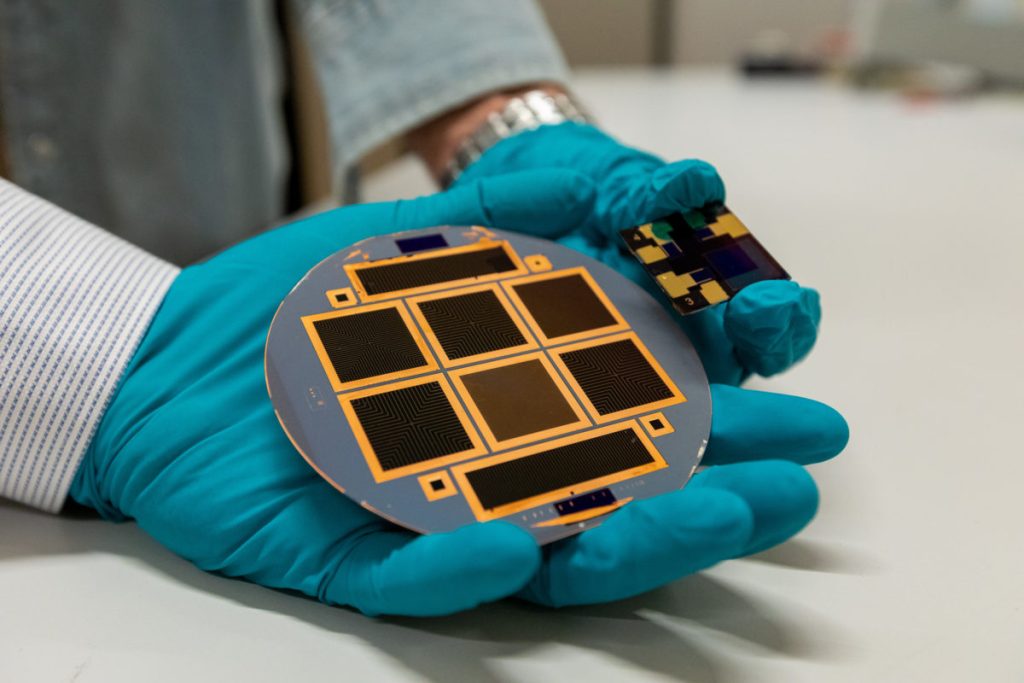
As the world progresses, more and more emphasis is being placed on renewable energy sources. Solar power is one of the most promising renewable energy sources available today. Solar power is created by converting sunlight into electricity. This can be done through a variety of methods, but the most common method is photovoltaics. Photovoltaic cells, or solar panels, are used to convert sunlight into direct current (DC) electricity.
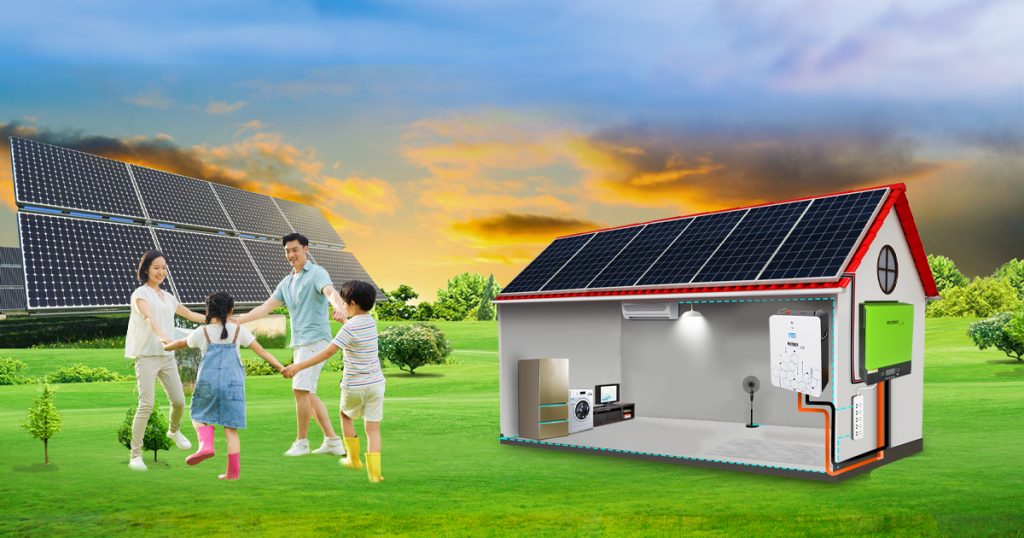
Solar power has many advantages over traditional fossil fuel-based energy sources. First, it is a renewable resource that will never run out. Second, solar power is a very low impact on the environment, as it emits no greenhouse gases during operation. Third, solar power is becoming increasingly cost-competitive with other forms of energy generation. And finally, solar power offers a great deal of flexibility in terms of applications – it can be used to generate electricity for a single home or business, or it can be scaled up to provide power for an entire community or even a utility-scale power plant.
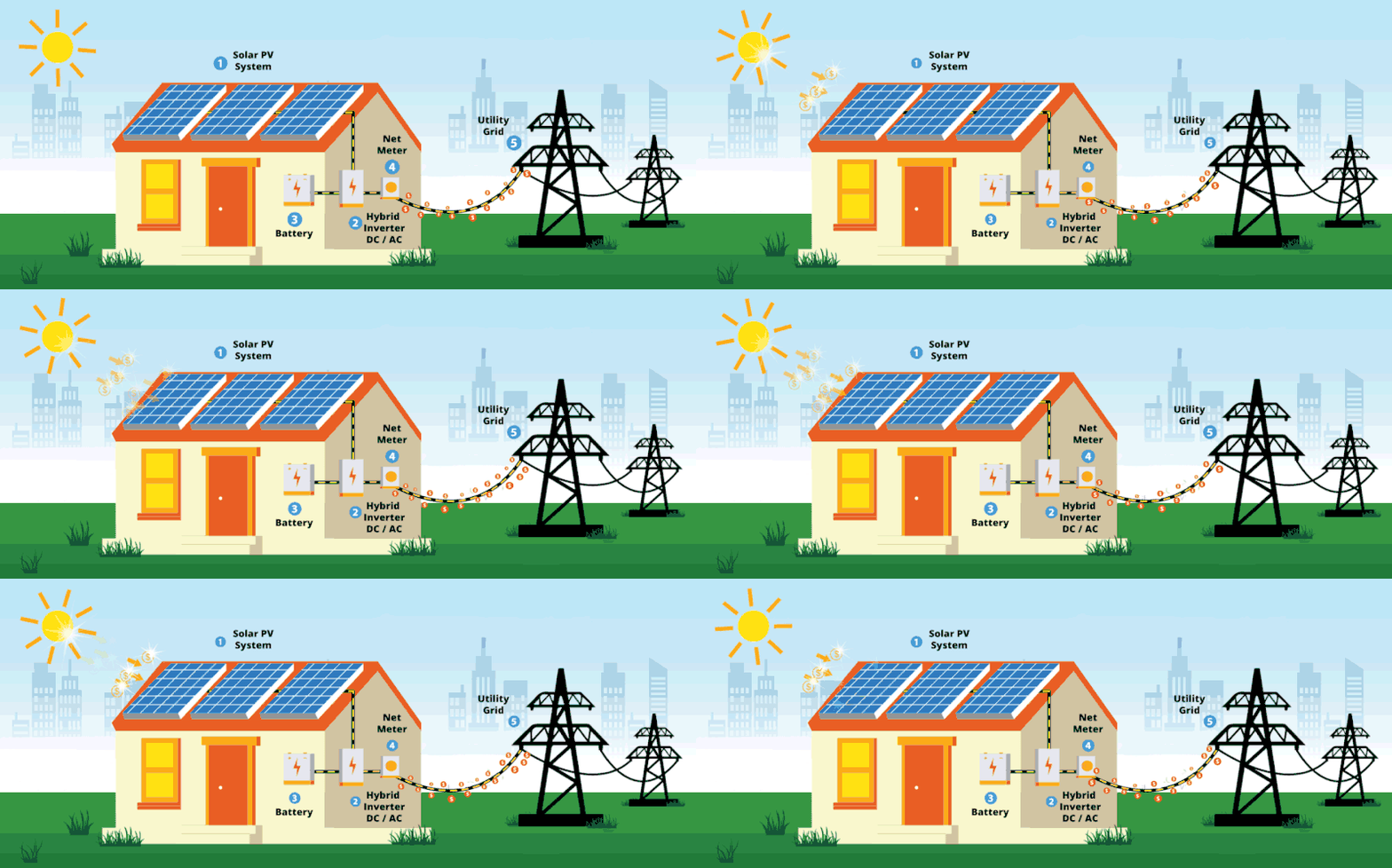
If you’re interested in learning more about solar power and how you can take advantage of this clean, renewable energy source, read on for an introduction to solar power.
Types of Solar Panels
Solar power is a renewable energy source that has many advantages over traditional fossil fuels. Solar panels are becoming more efficient and less expensive, making them a viable option for homeowners and businesses alike.
There are two main types of solar panels: photovoltaic (PV) and concentrated solar power (CSP). PV panels convert sunlight into electricity, while CSP systems use mirrors to concentrate sunlight onto a small area to generate heat, which is then used to power a generator.
PV panels are the most common type of solar panel in use today. They are typically made from silicon, a material that is abundant on Earth. PV panels can be used to power everything from small electronic devices to entire homes and businesses.
CSP systems are more expensive than PV panels, but they have the advantage of being able to store energy in the form of heat. This makes them well-suited for applications such as providing backup power during an outage or powering a home or business during peak demand hours when electricity rates are highest.
Solar System Benefits
Solar power is a renewable energy source that can be used to generate electricity or heat. Solar power comes from the sun, and it’s natural, so it’s a sustainable resource. Solar power is also very efficient; it can be used to generate a lot of electricity with very little pollution.
There are many benefits to using solar power. One benefit is that it can help reduce dependence on fossil fuels. Solar energy is also good for the environment because it doesn’t produce pollution. Additionally, solar energy is a renewable resource, so it can help us preserve our natural resources. And finally, solar power is becoming increasingly more affordable as technology improves and costs decrease.
How Much Can You Save with Solar Power?
Solar power is a renewable energy source that can be used to generate electricity or heat. Solar energy is captured through the use of solar panels, which convert the sun’s rays into electrical energy. Solar is an environmentally-friendly and cost-effective alternative to traditional forms of energy generation, such as fossil fuels.
The amount of money you can save with solar energy depends on a number of factors, including the size and efficiency of your solar panel system, the amount of sunlight you receive, and your current energy consumption. However, you can generally expect to see a significant reduction in your energy bills after switching to solar. In some cases, homeowners have even been able to eliminate their electric bills entirely!
When Should You Consider Switching to Solar Power?
If you’re interested in reducing your carbon footprint and saving money on your energy bills, you may be considering switching to solar. But how do you know if solar is right for you? Here are a few things to consider when deciding whether to switch to solar:
- The amount of sunlight your home receives: Solar panels need direct sunlight to work effectively, so if your home doesn’t get a lot of sunshine, it may not be the best option for you.
- The size and orientation of your roof: Your roof needs to be large enough and facing the right direction (generally south) in order to accommodate solar panels.
- The cost of installation: Solar panel installation can be costly, so you’ll need to factor that into your decision. However, many homeowners find that the long-term savings on their energy bills more than make up for the initial investment.
- Your energy usage: If you use a lot of energy, switching to solar can help you offset a significant portion of your costs. Even if you don’t use a lot of energy, solar can still save you money by offsetting the cost of electricity from the grid.
- Your state’s incentives
What’s the Difference Between a Battery Backup and an Uninterrupted Power Supply (UPS)?
A battery backup is a device that provides power to a load when the input power source fails. A UPS also provides power to a load when the input power source fails, but it does so using batteries and/or an auxiliary power source.
Conclusion
Solar power is a renewable energy source that can be used to generate electricity and heat. Solar energy is becoming increasingly popular as an alternative to traditional fossil fuels, and there are many reasons why you should be interested in it today. Solar is environmentally friendly, it’s cost-effective, and it offers a great return on investment. If you’re looking for an alternative energy source that will help you save money and reduce your carbon footprint, solar power is definitely worth considering.