
Technology

How to buy Technology Applications in 2021

The world is moving towards progress and automation. There is no single facet or field of life that has not been enhanced by digital innovation and software solutions. The purpose of machines and technology is to improve performance, save time, cut down costs, and increase the product or service’s efficiency.

Basically, technology has been divided into main factors the hardware and software. In layman’s terms, the machine increases the utility of work. Even a simple gadget as a spoon is also a simple machine since it improves eating by saving the fingers from getting mixed and helping the eater deal with food from a distance.

However, the machines of today are integrated with AI and machine learning software. Both these software gives the computers the ability to make decisions, suggestions and learn from their experiences. AI and machine learning can be count as the other part of the technology called software. Software is a sophisticated program that coders write to bridge the gap between human and machine communication.

Today the world is undergoing a digital revolution. There are many different types of technologies available for performing a singular task. The choices are so many that it is impossible to determine which one should be selected. With the elimination process based on important dynamics, any person from any field can pick out the best technology for their project. Here are some of the factors that should be kept in mind while purchasing technology applications in 2021:

With the help of technology, it has become possible to create multipurpose machines. However, the buyer should remain focused on their main objective. There are timers available in washing machines, but the machine’s main purpose is to clean the clothes. The buyer should make a list of objectives they want to achieve with their prospect investment. In this manner, they would narrow down their search and make a more efficient purchase.

There are many sophisticated pieces of equipment available in the world. However, a buyer should not get carried away by fancy brands and names and keep in view their budget at all times. The Apple Watch offers so many smart features, but it causes the buyer a fortune.

Many other cheaper brands perform the same function and are much cheaper in comparison. If the machine is costly, it will not bring the best utility. Therefore, it is important to keep in mind the available budget first. Some corporations also plan out their automation budget for the long term to understand that the new technology will save money in the longer run. This method is the best option to follow.

The use of technology is to ensure that the buyer can upgrade to the best of their ability. The investment of money would not be worth it if there is still a better and more advanced technology available that the competitors can use. Therefore, it is the best idea to do some research on the available functionalities offered by technology.

Sometimes, a big difference is made by the shift between smaller upgrades. Therefore, it is important to purchase the technology that has room for an upgrade for a little while. Otherwise, new and better equipment would keep launching every few weeks and leave the buyer behind in the race.

New technology should fit in and comply with the existing infrastructure. A new piece of equipment would be useless if it cannot work in sync with the available framework. It is not a great idea to replace the entire framework around one new software or technology piece. Therefore, it is best to check and gauge the integration and compliance protocols before buying technology in 2021. Sometimes, this integration requires the installation of small extensions and converters. The buyer can apply with the supplier to facilitate them with the compliance guidance and extension as complimentary service if possible.

The complex and composite amalgamation writes the technologies of today of programs that coders write. Every person can’t understand and comply with these terminologies. Therefore, it is important to check the new technology’s user interface first. The UI should be user-friendly and make it easier for any authorized person to operate the machine. Otherwise, it would waste valuable time and resources.

The winning point for the latest technology is that it adds some management tools for non-technical users. The users with a little bit of understanding and instruction can manage the UX or backend of their technology. This is a great way for cost-free customization and installation of upgrades and new features without the need for service recalls. Therefore, the buyers should check the prospective options for new technology to facilitate a possible UX management system.

Every business and every individual need differ from others in their stead. Therefore, it is important to check the features like theme and performance to have customization options. The buyers would be able to utilize new technology better if they can customize it based on their personal preferences and requirements. Therefore, it is important to check for this factor before placing a purchase order.

Other factors like easy access, better reach, and improvement option, the last technology upgrade that should be kept in mind. The purpose of technology is to introduce ease and performance leverage in any host environment. Therefore, buyers of technology should avoid getting persuaded by the glitz and buzz and focus on practical and realistic features offered by new technology.


Are cloud servers viable than dedicated servers?

Every time a newfound business or an existing one needs to expand its IT requirement as the business flourishes, a dedicated server is the primary proposition made by many consultants. It is a decent recommendation to some extent but not the most excellent and profitable option to date. Dedicated servers have been in deployment ever since in-house servers were a requirement for businesses, serving the growing load on the website and applications. The idea of having a dedicated server constructed each time a company expands its operation is a conventional method in the age of cloud servers and cloud computing.

I’ll enunciate the differences between cloud servers and dedicated servers and explain why cloud servers are an investment for the future.

Rapid Scalability 

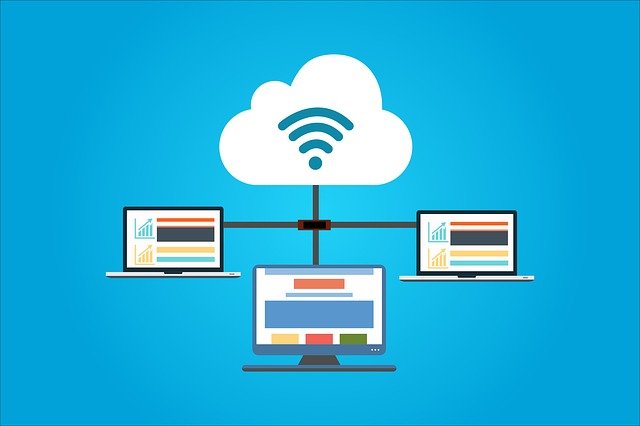
Cloud servers offer rapid scalability, which means you can scale-up or scale-down as per your current growth, revenue, traffic insights, and other essential metrics. Unlike dedicated servers, where a server configuration bears a limit, cloud servers can instantly scale up to meet your traffic demands. You do not need to upgrade as you would in a dedicated server and scout parts or source them at a higher cost. Cloud servers do not have a threshold if you have the capital to rent their services.

Initial Cost 

The cost to set up a dedicated server can sometimes bleed small businesses dry. A significant chunk of the budget is spent on sourcing hardware components while spending the rest on availing the professional installation. That is a lot of initial investment for a business venture that can go belly-up or succeed, chances of which are both 50-50. With cloud servers, the initial cost is a fraction of what you must pay for building a dedicated server. In case the venture fails, you can stop your subscription at that moment without ever worrying about the hardware.

Hardware Susceptibility

Hardware is the critical failure point, after which the server may stop working indefinitely. To restore a dedicated server, a maintenance team must be on-premises 24/7, which is impossible for every business. A hardware fault can render the entire website and application useless, thus slowing down the revenue stream. Even if a single hardware component fails in a cloud server, your applications and websites remain functional because they trade places with another empty hardware resource. You may not even notice the hiccup while accessing your website an application on the cloud server.

Availability 

One of the core concepts of cloud computing is that it always assures access to your cloud server and the applications. The guarantee of a dedicated server’s 24/7 availability is impossible due to short power outage, network failure, fire hazards that can halt productivity for an indefinite time. Cloud servers can tackle this problem by assigning a different data centre in other geolocation, which is not in trouble until they fix the older one.

Conclusion 

Cloud servers are a reliable means of creating servers that last long and provide continuous uptime. Choosing a dedicated server, especially now, is a strategy that no business should execute. If you are concerned about security, go for a hybrid server model rather than a dedicated server.

What is Local SEO? What Should You Do with Local SEO for Your Website?

Imagine how your local business can compete for higher SEO rankings against global e-commerce giants like Amazon. It is almost impossible! So how does your website appear in search results? Fortunately, with the assistance of local SEO, relevant customers can find you when performing a local search, thus you are still able to grow your small business. In this article, we would like to provide you with some comprehensive insights into local SEO.


1. What is Local SEO?

Local businesses like shops usually serve a specific geographic area or have customers frequently visit their brick-and-mortar stores. Whether you are targeting a geographical group of customers or trying to attract people to come to your physical store, you need to make sure that your websites are optimized so that people are able to find you. That is about optimizing your website SEO for a specific location, or Local SEO.

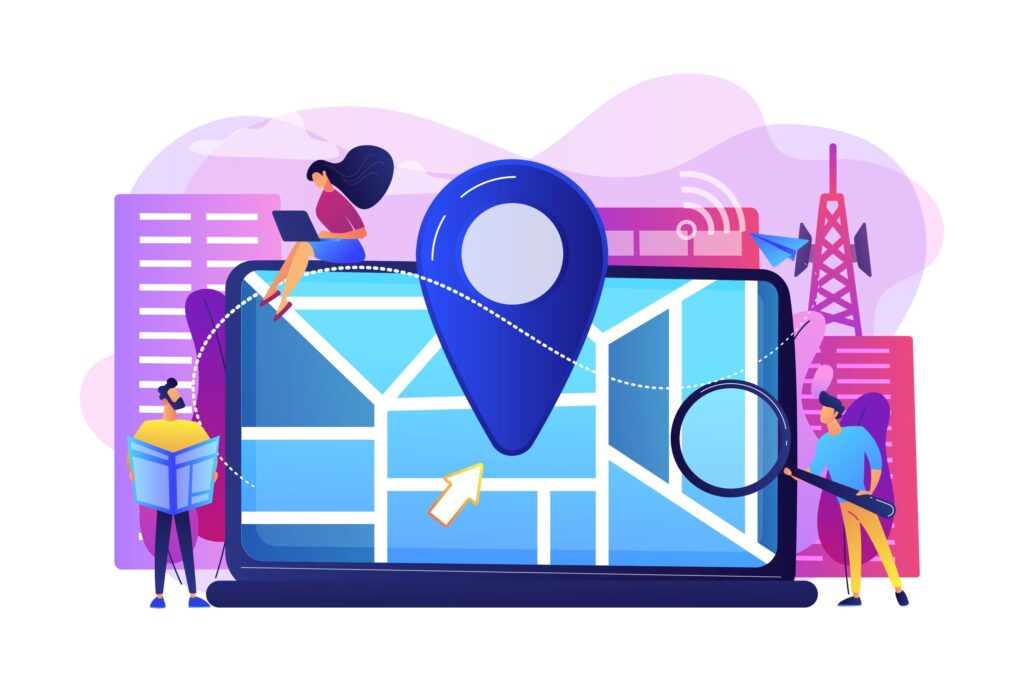
Local SEO is the process of optimizing a website for a location-specific search query. Search engines like Google decide what results to display to users by detecting their location based on their IP address or mobile geolocation. Thus, when you locally seek a product or service, the search results shown are a list of nearby businesses.

Local SEO does not only include optimizing your rankings on search results or social media strategy. On the contrary, there are several aspects that have a strong influence on local SEO such as word-of-mouth marketing and using brochures or posters. All these things contribute to our so-called local SEO.

If you own a local business, wherever you are, local SEO plays a crucial role in generating leads and improving conversions. If you are a local business, no matter where you are, local SEO plays a crucial role in generating leads and improving conversions. For any size of the business, there are numerous factors encouraging you to invest in local SEO.


2. What is the difference between SEO and Local SEO?

An essential factor in traditional SEO is inbound links. That means if you acquire inbound links from other valid and high-quality sites, your site has earned certain respect and reputation in the industry. So your website has a higher chance to rank well in global search results. Moreover, such businesses often serve customers over the world, or in a specific nation.

Traditional SEO is used by businesses that target global customers. Their websites are optimized for global searches, which informs the search engines that the website is a global competitor. Traditional SEO uses conventional SEO and SEM strategies such as on-page optimization, off-page optimization, link building, social media marketing, social bookmarking, and press release distributions.

In regards to local websites, on the contrary, inbound links from reputable companies in your area are more valuable. For instance, local small businesses expect more traffic from local customers rather than people who are far away or never use their product or service.

Local SEO is typically used by businesses that serve customers in a specific area. Their websites hence are optimized for local searches, which means they are a vendor targeting local customers. Search engines use geographic qualifiers in keywords when determining local SEO rankings. Along with the conventional SEO strategies, local SEO is optimized for both search engines and other engines such as Google+ business listing, Bing business listing, local business directory listing. It also uses a local business schema in Schema.org markup.


3. How Does Local SEO Work?

There are certain types of businesses that are almost able to serve only local residents. When performing these searches, customers need results from their current area. To solve this issue, search engines like Google include a proximity factor in their local search algorithm. In other words, your instant location is taken into consideration when you are performing a local search. The proximity factor is determined by your IP address (if you are using a PC) or geolocation (if you are on a mobile phone). Due to the dominance of mobile internet access, local SEO becomes vastly significant to the sustainable growth of any local business.

Competing for search rankings against top e-commerce giants in the world is almost impossible for local businesses. Instead, earning a high local SEO ranking in your location is much more important. Both search engines and worldwide customers, on the other hand, recognize the value of local businesses. So, local SEO can help as it does prefer relevant small businesses to international business giants. No need to worry about competing against well-known global companies: search engines have specific proximity factors to determine whether you are locally relevant to a nearby user.

Optimizing local SEO is not just for search engines. There are several things you can do online and offline to optimize your website for local residents. As mentioned above, using word-of-mouth marketing or posters and brochures also has an influence on local SEO. 


4. How Do You Know if You Need Local SEO?


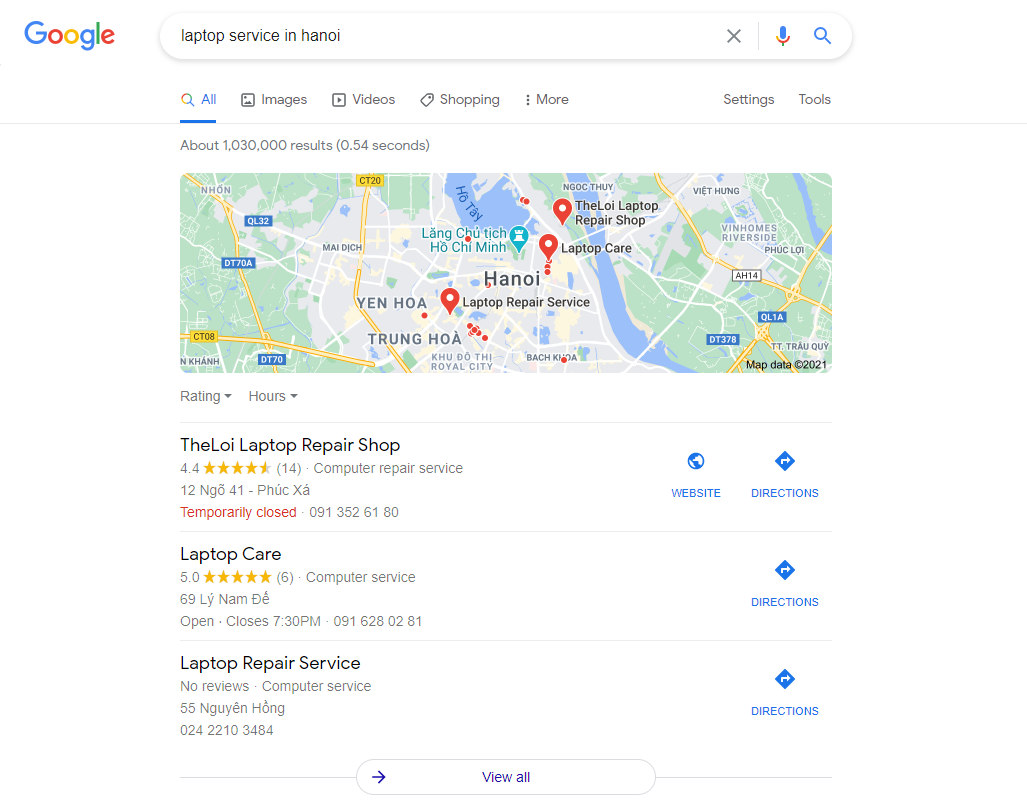
It is when your business owns a physical location or serves customers in a specific geographical area that you need Local SEO. However, you’ll have to do a few more searches on Google to make sure this type of SEO strategy is what you should thoroughly consider. What you need to do is choose 3 to 4 of your important keywords, those that customers would think of when seeking a business like yours, and type them into Google. If the search results display a “snack pack” box made up of a map and listings below, that means your business’s search result is powered by Google’s algorithm, and you need Local SEO. 


5. How Can You Improve Your Local SEO?

When collecting data for local search, Google and other search engines rely on signals like local content, social profile pages, links, citations, etc. to decide whether your information is relevant to users’ searches, which impacts the priority of your ranking position. Based on those criteria, we suggest you follow 5 tips below to maximize your Local SEO:


Tip No.1: Claim your business on Google My Business

If Google can verify your business as authentic, you’ll stand a very high chance of getting rewarded with a space in Google local search results. The verification can take up to one week to review and process, and this is a perfect time for you to think about the data you need to submit to enrich your profile. For example, you can upload a business profile image, the area you serve, your opening and closing hours, attributes (e.g. wifi, parking lot), and a public phone number and website URL. Try to add as much information as you can to optimize your Google My Business listing.


Tip No.2: Improve local link building

Link signals such as linking domain authority are a key factor for a successful SEO campaign, which helps you rank better in local searches. The linking domains should be relevant to your target location, in other words, you should look for authority sites in your target area. Focus on major citation sites or those that have high domain authority like Facebook, Bing Maps, and Yelp to take advantage of the local link-building opportunity. Collaborating with influencers on social media is also a great way to gain valuable backlinks and improve your business’s ranking position in search engines. 


Tip No.3: Ensure your business NAP consistency

When scanning business listings to display in local search results, Google considers citation signals including the consistency of NAP (name, address, phone number) across all platforms and websites it is listed on. Because misspellings, address and phone number differences, and duplicate listings can make your visibility less favored by search engines, try to detect and resolve any inconsistencies as fast as possible. If overseeing your citations manually takes you too much effort and time while may not be as effective as it should be, try a rank checking tool. Once you figure out any discrepancies on any domains, contact the site owners and ask them to correct the differences.


Tip No.4: Create content based on local issues

Google also notices the volume of traffic to your site to determine your rankings in search results, meaning that you can enhance your local SEO by attracting more audiences. This can be done by adding ideas related to local or industry news to your content. For instance, you can write about your city and its upcoming events to attract those who are new to your area or provide a map of local service providers in your industry to generate highly relevant on-page local signals. Because of its impact, building a robust local content strategy should be taken into consideration. 


Tip No.5: Use Local SEO apps and tools for Shopify

Shopify has grown significantly to become a major platform for e-commerce businesses and so have its app developers. Just type “SEO” into the Shopify app store and you’ll find a variety of apps designed perfectly for SEO purposes including local SEO. For a dedicated tool like SEO Booster by Secomapp, it understands that in order to boost local SEO, your Shopify store needs to optimize multiple issues such as JSON-LD, keyword and broken link management, competitor’s website diagnosis, image ALT text for unlimited products, etc. Get one for your store to fully benefit from its power.


Final Thoughts 

Now that we’ve covered everything you need to know about Local SEO, you can start working on a comprehensive strategy to improve your local visibility. Local SEO is an essential part of the overall SEO campaign, take care of it by working step by step until you gain success and you’ll truly see how much it can contribute to your business’ SEO performance.