
Travel

Yunnan: China’s Hidden Gem of Culture, Nature, and Timeless Beauty

yunnan

Nestled in the far southwest of China, Yunnan Province is a traveler’s dream: a land of breathtaking beauty, rich ethnic diversity, and age-old traditions. From snow-capped mountains and terraced rice fields to ancient towns and vibrant markets, Yunnan is a sensory feast.

Often overlooked by first-time travelers to China, Yunnan offers an authentic and diverse experience of the country—one that is laid-back, culturally immersive, and scenically unmatched.

This blog post dives into why Yunnan is famous, where to go, what to do, how to get there, and how to make the most of your visit.


Why Is Yunnan Famous?

1. Diverse Ethnic Cultures

Home to 25 recognized ethnic minorities, Yunnan is the most ethnically diverse province in China. Each group brings its own customs, languages, festivals, and dress.

2. Unmatched Natural Scenery

From the snow-covered Meili Snow Mountains to the lush jungles of Xishuangbanna, Yunnan’s landscapes are as diverse as its people.

3. Historical Significance

Yunnan has been a part of the ancient Tea Horse Road, linking China with Tibet and Southeast Asia through trade and cultural exchange.

4. Mild Climate

Thanks to its varied topography, Yunnan enjoys a spring-like climate year-round, especially in the capital city of Kunming, known as the “Spring City.”


How to Reach Yunnan

1. By Air

  • Kunming Changshui International Airport (KMG) is the main gateway with direct flights from major Chinese cities and international destinations like Bangkok, Singapore, Kuala Lumpur, and Kathmandu.
  • Other airports: Lijiang (LJG), Dali (DLU), and Shangri-La (DIG).

2. By Train

  • High-speed trains now connect Kunming with Chengdu, Guiyang, Nanning, and even Hong Kong.
  • Regular trains are available to Lijiang, Dali, and beyond.

3. By Road

  • While scenic, road travel in Yunnan is slower due to mountainous terrain.
  • Buses are available but best suited for local or regional exploration.

Top Places to Visit in Yunnan

1. Lijiang Ancient Town

A UNESCO World Heritage Site, Lijiang is a beautifully preserved town of winding stone lanes, canals, and wooden houses. It’s home to the Naxi ethnic group and famous for its romantic atmosphere.

  • Don’t miss: Black Dragon Pool, Naxi music performances, and climbing to Lion Hill for sunset views.

2. Dali

Located between the Cangshan Mountains and Erhai Lake, Dali offers old-world charm and bohemian vibes. The Bai ethnic group calls this area home.

  • Highlights: Dali Old Town, Three Pagodas, boat rides on Erhai Lake, and cycling along scenic trails.

3. Shangri-La

High on the Tibetan Plateau, Shangri-La is a gateway to Tibetan culture within Yunnan. Snowy mountains, prayer flags, and Buddhist monasteries await.

  • Must-see: Songzanlin Monastery, Pudacuo National Park, and Napa Lake.

4. Yuanyang Rice Terraces

These mind-blowing terraces have been carved into mountains by the Hani people over centuries. They’re best seen at sunrise or sunset for surreal reflections.

5. Kunming

As Yunnan’s capital, Kunming is a modern yet relaxed city. It’s often used as a hub for exploring other destinations but has plenty to offer on its own.

  • Visit the Stone Forest (Shilin), Dianchi Lake, and Yuantong Temple.

6. Xishuangbanna

This tropical area in southern Yunnan borders Laos and Myanmar. It’s known for rainforests, wild elephants, and Dai culture.

  • Key attractions: Wild Elephant Valley, Menglun Botanical Garden, and water festivals in April.

Things to Do in Yunnan

1. Trekking

Yunnan has some of the best hiking trails in China:

  • Tiger Leaping Gorge: One of the world’s deepest canyons, perfect for 2-3 day treks.
  • Meili Snow Mountain Base Camp: For experienced hikers craving high-altitude adventure.

2. Experience Ethnic Culture

Attend traditional festivals like the Torch Festival (Yi people) or the Water Splashing Festival (Dai people). Visit local homes, wear traditional dress, and try your hand at indigenous crafts.

3. Ride the Erhai Bike Loop

Cycling around Erhai Lake in Dali is one of the most scenic activities you can do. Stop at local villages, lakeside cafes, and photo spots along the way.

4. Hot Springs and Wellness

Yunnan’s mountainous geography is dotted with natural hot springs, such as Anning Hot Springs near Kunming or Xizhou Hot Springs near Dali.

5. Tea Tasting in Pu’er

Explore the origins of China’s famous Pu’er tea. Visit plantations, watch traditional tea processing, and attend tea ceremonies.

6. Visit Flower Markets

Yunnan is China’s top flower-producing province. Visit Kunming’s Dounan Flower Market, one of Asia’s largest wholesale flower markets.


Local Cuisine of Yunnan

Yunnan cuisine is as diverse as its culture—full of flavor, spice, and earthy ingredients.

Must-Try Dishes:

  • Crossing-the-Bridge Noodles (过桥米线) – A soul-warming noodle soup with a legendary origin.
  • Wild Mushroom Hotpot – Rich, umami-packed hotpot made from foraged mushrooms.
  • Stir-fried Insects – A delicacy in many ethnic communities.
  • Er Kuai – A chewy rice cake served grilled, stir-fried, or stuffed.

Beverages:

  • Pu’er Tea – A fermented tea known for its digestive and health benefits.
  • Yunnan Coffee – The province has recently gained fame for high-altitude, small-batch coffee plantations.

Best Time to Visit Yunnan

Yunnan can be visited year-round, but the best time varies by region.

Spring (March–May)

  • Ideal for Kunming, Dali, and Lijiang.
  • Flowers bloom, and weather is mild.

Summer (June–August)

  • Great for high-altitude destinations like Shangri-La and Tiger Leaping Gorge.
  • Xishuangbanna is lush but humid.

Autumn (September–November)

  • The best time for trekking and rice terrace photography.
  • Crisp air and golden colors dominate the landscape.

Winter (December–February)

  • Mild winters in Kunming and Dali.
  • Snowfall in Shangri-La creates dramatic mountain scenes.

Where to Stay in Yunnan

Luxury:

  • Banyan Tree Lijiang
  • Songtsam Lodges (Shangri-La) – Boutique Tibetan-inspired luxury.
  • InterContinental Kunming

Mid-Range:

  • The SilkTree Hotel, Dali
  • Lijiang Wangfu Hotel

Budget:

  • Mama Naxi Guesthouse (Lijiang)
  • Green Forest Hostel (Kunming)

Travel Tips for Yunnan

  • Altitude sickness is real in places like Shangri-La. Acclimate slowly and stay hydrated.
  • Language barrier: English isn’t widely spoken; use translation apps or hire a guide.
  • Cash or Alipay: Mobile payment dominates in China. Carry some cash for remote areas.
  • Cultural sensitivity: Ask before photographing locals, especially during religious ceremonies or festivals.

Off-the-Beaten-Path Destinations in Yunnan

1. Dongchuan Red Land

  • Vivid red and green layered farmland, especially stunning after rain.

2. Luoping

  • Famous for golden canola flower fields in spring.

3. Weishan Old Town

  • An untouched alternative to Dali and Lijiang with Ming dynasty charm.

4. Jianshui Ancient Town

  • Home to well-preserved Confucian temples and traditional bridges.

Final Thoughts: Why Yunnan Should Be on Your China Bucket List

Yunnan is not just a destination—it’s an experience. It’s where you wake up to the sound of prayer bells in Shangri-La, walk through time in ancient towns, sip tea with locals in tiny villages, and feel the earth shift under your feet as you trek through gorges and mountains.

Whether you’re seeking cultural depth, natural beauty, or simple tranquility, Yunnan welcomes you with open arms and endless stories.

Xi’an: Walking Through the Gates of Time

Xian

Xi’an isn’t just a city — it’s the cradle of Chinese civilization. For over a thousand years, Xi’an served as the capital for 13 dynasties and stood as the starting point of the legendary Silk Road. Today, it’s a mesmerizing blend of ancient tradition and modern life, offering travelers a unique chance to walk through the very gates of history.

Whether you’re drawn to awe-inspiring archaeological wonders like the Terracotta Army, or seeking to immerse yourself in vibrant street life and exotic cuisines, Xi’an is one of China’s most culturally rich and unforgettable destinations.


Why is Xi’an Famous?

1. Terracotta Army

Xi’an is world-famous for the Terracotta Warriors, an underground army of life-sized soldiers built over 2,000 years ago to guard Emperor Qin Shi Huang in the afterlife.

2. Ancient Capital

As one of the Four Great Ancient Capitals of China, Xi’an was home to 13 dynasties including the Qin, Han, and Tang. This historical legacy permeates the city.

3. Silk Road Gateway

Xi’an was the eastern terminus of the Silk Road, connecting China to Central Asia, the Middle East, and Europe — making it a melting pot of culture, religion, and trade.

4. City Wall

Xi’an boasts the largest and best-preserved city wall in China, offering panoramic views and a historical experience unmatched elsewhere.

5. Muslim Quarter

A unique blend of Islamic and Chinese culture, Xi’an’s Muslim Quarter is famous for its lively markets, Halal cuisine, and traditional Hui culture.


How to Reach Xi’an

1. By Air

  • Xi’an Xianyang International Airport (XIY) connects to major cities in China and the world including Beijing, Shanghai, Hong Kong, Bangkok, and Tokyo.
  • Located 40 km from the city center. Airport shuttle buses and taxis are easily available.

2. By High-Speed Train

Xi’an is a major hub in China’s high-speed rail network:

  • From Beijing: 4.5–6 hours
  • From Shanghai: 6–7 hours
  • From Chengdu: 3–4 hours

3. By Road or Bus

Long-distance buses operate to/from nearby provinces like Gansu, Shanxi, and Sichuan.

4. Local Transport

  • Metro: 6 metro lines covering the entire city.
  • Buses: Extensive network with signs in English.
  • Bikes/E-bikes: Widely available via apps like Meituan and HelloBike.

Top Places to Visit in Xi’an

1. Terracotta Army

Discovered in 1974, the Terracotta Army consists of over 8,000 life-sized warriors, horses, and chariots buried with China’s first emperor.

  • Location: 40 km from Xi’an
  • Tips: Go early, hire a guide for in-depth stories, and don’t miss Pit 1 (the largest).

2. Xi’an City Wall

Built during the Ming Dynasty, this 13.7-kilometer wall surrounds the old city.

  • Activities: Rent a bike and ride the entire wall for stunning city views.

3. Big Wild Goose Pagoda

Originally built in 652 AD, this pagoda is a symbol of the Tang Dynasty and a major Buddhist site.

  • Highlights: Evening musical fountain show at the North Plaza.

4. Muslim Quarter

This lively neighborhood near the Drum Tower is packed with street food stalls, bazaars, and historic mosques.

  • Must-try foods: Roujiamo (Chinese hamburger), Yangrou Paomo (lamb soup), and sticky rice cakes.

5. Bell and Drum Towers

Landmarks of the Ming Dynasty, these towers mark the city’s center and light up beautifully at night.

6. Great Mosque of Xi’an

One of the oldest and most renowned mosques in China, showcasing a unique blend of Islamic and Chinese architecture.


Things to Do in Xi’an

1. Explore the Tang Paradise

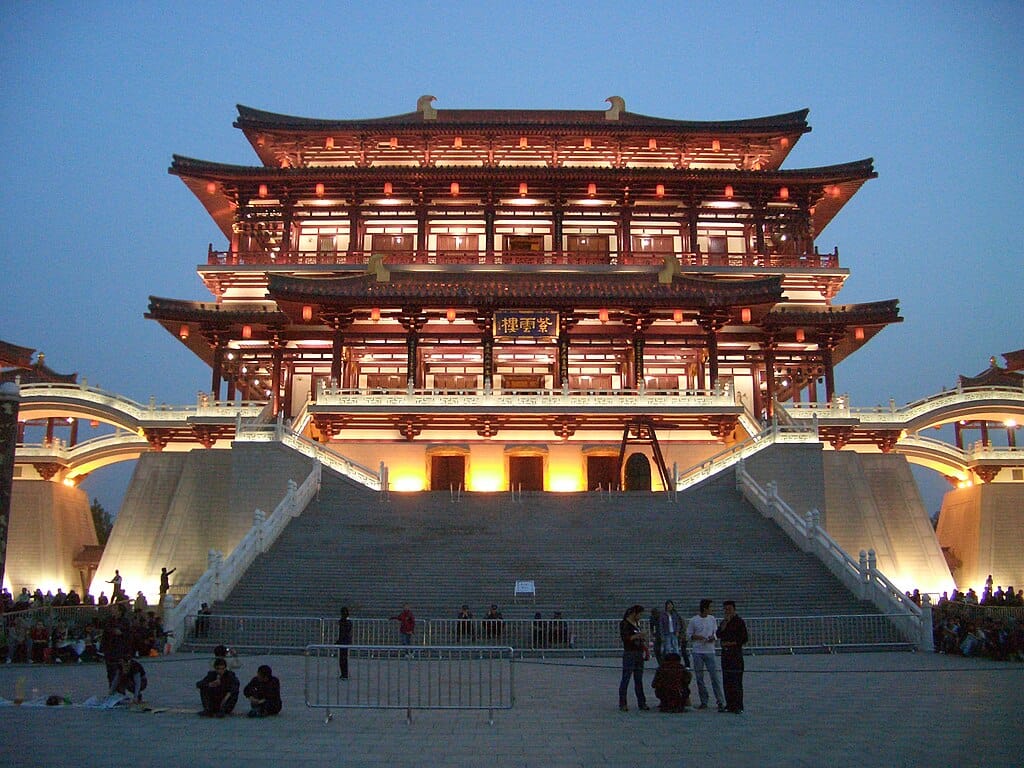
A modern theme park modeled after the Tang Dynasty, complete with gardens, performances, and cultural exhibitions.

2. Witness a Tang Dynasty Show

Enjoy dinner and a colorful performance of Tang music and dance — a visual feast of Chinese history.

3. Bike the City Wall

Renting a bike and cycling the top of Xi’an’s City Wall is one of the most iconic experiences in China.

4. Calligraphy Class

Learn the ancient art of Chinese calligraphy in a local studio or cultural center.

5. Try Traditional Hanfu

Rent traditional Han dynasty attire and take photos at scenic spots like the Wild Goose Pagoda or city wall.


Day Trips from Xi’an

1. Mount Hua (Huashan)

One of China’s Five Sacred Mountains, known for its dangerous cliffside plank walk and breathtaking peaks.

  • Distance: 1.5 hours by train from Xi an.
  • Tip: Take the cable car if you’re not up for the hike.

2. Famen Temple

An important Buddhist site said to house a finger bone relic of the Buddha.

  • Distance: 2 hours from Xian.
  • Ideal for history buffs and spiritual travelers.

3. Hanyangling Mausoleum

A Han Dynasty tomb with a “subterranean museum” that allows visitors to walk over ancient ruins via glass pathways.


What to Eat in Xi’an

Xi’an is a food lover’s paradise, especially for fans of bold, spicy, and meaty dishes.

1. Roujiamo

Often referred to as the “Chinese burger,” it features chopped meat (usually pork or lamb) in a crispy bun.

2. Yangrou Paomo

A rich mutton soup served with hand-torn bread. A must-try traditional dish!

3. Biang Biang Noodles

These are wide, thick, belt-like noodles served with chili oil, garlic, and meat or veggies. Known for having the most complex Chinese character!

4. Liangpi

Cold, spicy noodles served with vinegar, chili, and cucumber — refreshing and flavorful.

5. Chinese Steamed Buns (Baozi)

Available with various fillings like minced pork, beef, or red bean.


Where to Stay in Xi’an

Luxury

  • Sofitel Legend People’s Grand Hotel Xi’an
  • W Xi’an

Mid-Range

  • Eastern House Boutique Hotel
  • Xian Skytel Hotel

Budget

  • Hantang Inn Hostel
  • Ancient City International Youth Hostel

Shopping in Xi’an

1. Shuyuanmen Street

Great for calligraphy, paintings, antiques, and Chinese brushes.

2. Muslim Quarter Bazaar

Pick up traditional snacks, local crafts, and ethnic jewelry.

3. Kaiyuan Shopping Mall

Modern shopping mall with international brands.

4. Tang West Market

Combines history with commerce, offering themed cultural performances and artisan goods.


Best Time to Visit Xi’an

  • Spring (March–May): Mild temperatures and blooming flowers.
  • Autumn (September–November): Clear skies and ideal weather.
  • Avoid: Summer (hot and humid), Chinese New Year (crowded).

Cultural Etiquette in Xi’an

  • Dress Modestly when visiting temples and mosques.
  • Respect Local Customs: Especially in Muslim areas.
  • Language: Mandarin is spoken; English may be limited in non-tourist zones.
  • Payment: Mobile payment is dominant, but cash and cards are accepted in most hotels and shops.

Hidden Gems in Xi’an

1. Gao’s Grand Courtyard

A beautifully preserved traditional residence offering shadow puppetry and ancient architecture.

2. Daming Palace Ruins Park

Former imperial palace site of the Tang Dynasty, now an expansive archaeological park.

3. Eight Immortals Temple (Ba Xian An)

A Taoist temple with colorful carvings and a lively local atmosphere.

4. Xi’an Museum and Small Wild Goose Pagoda

Less crowded than Big Wild Goose, this site features a serene park and historical displays.


Fun Facts About Xi’an

  • The Terracotta Army was discovered by local farmers digging a well.
  • Xian was called Chang’an in ancient times, meaning “Eternal Peace.”
  • The character for Biang Biang noodles has 57 strokes — not found in standard dictionaries.
  • The city was once the largest in the world during the Tang Dynasty.

Final Thoughts: Why Visit Xi’an?

To visit Xian is to walk through time — from the underground mystery of the Terracotta Warriors to the vibrant alleyways of the Muslim Quarter. This city speaks in the language of emperors, poets, warriors, and traders.

Xi’an doesn’t just show you China’s past — it makes you feel it, taste it, and live it. For travelers seeking depth, discovery, and dramatic history, Xi’an is a treasure chest waiting to be opened.

What Things to Do in Leh Ladakh

When you enter Leh Ladakh, you’ll see fluttering prayer flags, craggy roads, and stunning scenery, and you’ll fall in love with the place at first sight. A journey to Leh Ladakh is undoubtedly thrilling, and why not? After all, there are so many activities to choose from at the destination that you may be unsure which one to do first.

Ladakh would allow you to build lifelong memories that are full of enthusiasm and zeal. So, without further ado, here are the top things to do in Leh Ladakh.

Trekking

The region is famed for its treacherous and difficult treks, and it should be at the top of your list of things to do in Leh Ladakh. You will be awestruck by the flawless beauty as you travel across the harsh terrains. The walking trails in Leh Ladakh range from easy to difficult, so you can pick one that suits your physical abilities and enthusiasm. Make sure you have all of the necessary trekking equipment for a safe and comfortable adventure.

Local Cuisines

When travelling to a different location, you must try the local cuisine. And, when it comes to Leh Ladakh, skipping out on the delectable local cuisine would be a huge mistake. This is the finest thing to do in Leh since you may eat Tsampa, Thenthuk, Thukpa, Khambir, Mokthuk, Skyu, and other Indo-Tibetan dishes here. However, Ladakh cuisine is incomplete without the cooling beverages, so try Butter Tea, also known as Gur Gur Chai; Chhang, a traditional alcoholic drink; Sea Buckthorn Juice; Cholak; Tangdur; and more.

Visit Ancient Monasteries

A visit to the Buddhist monasteries and other holy sites, another top Leh Ladakh activity, can bring calm to your heart. As you tour the monasteries, you’ll come across some that are over 500 years old, serving as a link between the past and the present. Then there are monasteries, which house a diverse array of scriptures and paintings that provide insight into the region’s rich history and Tibetan Buddhist culture. Some monasteries even provide lodging on their grounds. So, wake up to the sound of morning prayers for a revitalizing experience.

Enjoy Sunrise and Sunset

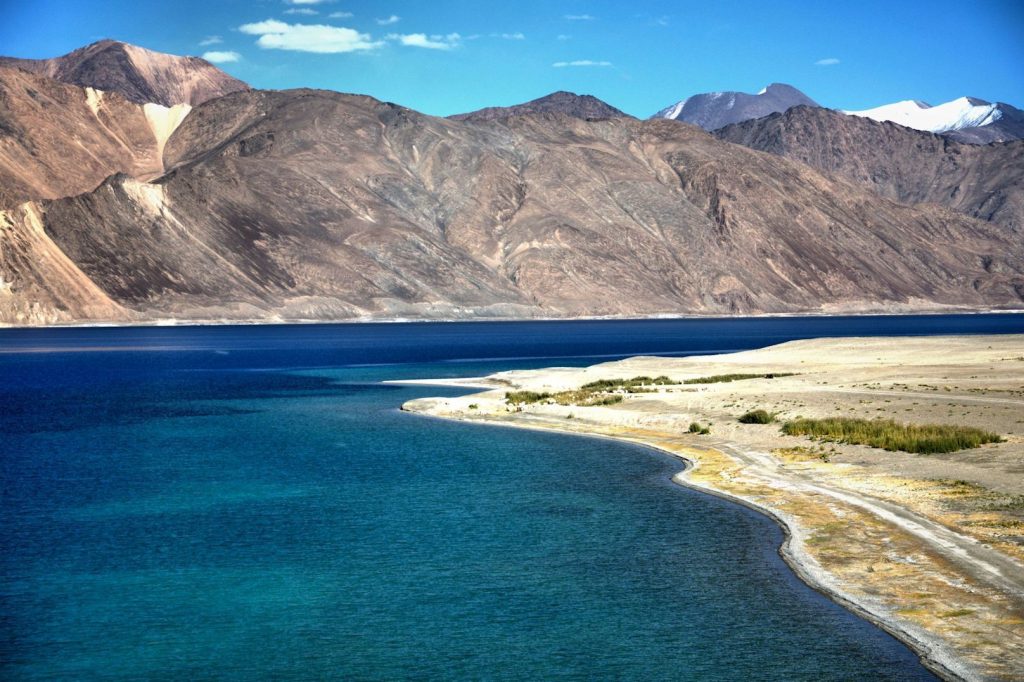
Would you agree with us if we said that nothing in this region compares to the splendor of sunrises and sunsets? If you answered yes, add it to your list of the greatest things to do in Leh Ladakh. The beautiful sun rising and setting behind the uninhabited mountains in time with the turquoise and blue waters of Pangong Lake is definitely a sight to behold. Spend the night camping at Pangong Tso to take in the breath-taking sunrise and sunset views.

Try Yak Cheese

Another thing to do in Leh Ladakh is to try Yak cheese and other products manufactured from the animal. The cheese, also known as Chhurpi, is white in colour and comes in two varieties: hard and soft. Yak cheese, which is high in vitamins and proteins, is a common element in most local recipes. So, before you leave Ladakh, make sure you try the Yak cheese momos, thukpa.

River Rafting

River rafting is an unavoidable part of every journey to the Land of Adventures. You can choose from rapid grades ranging from I to V to experience rafting, which is the best offbeat activity in Ladakh, at your leisure. During Leh Ladakh Holiday Packages from Mumbai, both novices and experienced rafters can enjoy river rafting. The rapid range in Ladakh implies that river rafting may be enjoyed by both beginners and experienced rafters, who will be treated to breath-taking views of distant communities set against a backdrop of bleak mountains. River rafting in Leh, Ladakh, is a must-do adventure that you will remember for the rest of your life.

Camping

Camping is, without a question, one of the more unusual things to do in Leh Ladakh. Your camping experience in Leh Ladakh will be unlike any other, whether you choose to camp in the bush or under the stars. You can either pitch your tent or take tour packages where you can experience camping in this magnificent region, whether you’re on a road trip or trekking. In Leh Ladakh, there are a myriad of camp setups that offer magnificent vistas that will steal your heart.

Enjoy Mask Dance

Witnessing the Cham, or Mask Dance, performed by monks dressed brightly and wearing masks on their faces, is one of the top things to do in Leh Ladakh. The one-of-a-kind dance is frequently performed during monastic feasts. After that, Guru Rinpoche’s huge thongdrol is unfurled. You can feel the power and magnetism of Leh Ladakh as you see the dance done with pomp and zeal.