Asia

Chengdu: Where Pandas Roam and Spice Rules the Soul

Chengdu

Welcome to Chengdu — a city where pandas nap, chilies reign, and the pace of life slows down just enough for you to soak in its charm. As the capital of Sichuan Province, Chengdu is not just a travel destination — it’s a sensory experience. From spicy food that makes your lips tingle to bamboo forests where pandas munch lazily, Chengdu is the ultimate mix of tradition, nature, and urban cool.


Why is Chengdu Famous?

1. Giant Pandas

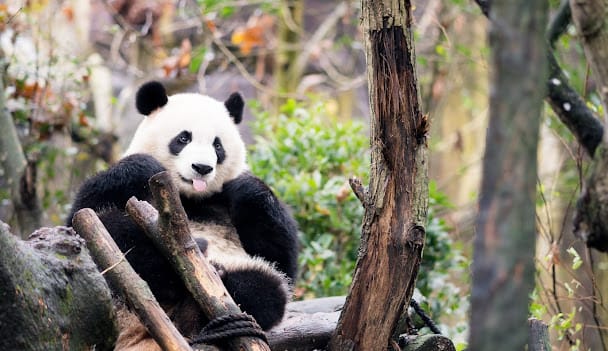
Chengdu is the world’s panda capital, home to the largest panda breeding research base. It’s your best chance to see these national treasures up close.

2. Sichuan Cuisine

Chengdu is the birthplace of Sichuan food, known for its fiery spices and tongue-tingling Sichuan peppercorns. It was named a UNESCO City of Gastronomy for good reason.

3. Laid-back Lifestyle

Locals love tea houses, Mahjong, and long lunches. Chengdu has been called the “City That Knows How to Enjoy Life”.

4. Cultural Richness

From ancient Shu civilization relics to Taoist temples and folk performances, Chengdu’s culture is deep and diverse.

5. Gateway to Western China

Chengdu is the springboard to Tibetan regions, Jiuzhaigou, and Mount Emei, making it a strategic base for explorers.


How to Reach Chengdu

1. By Air

  • Chengdu Tianfu International Airport (TFU) and Shuangliu International Airport (CTU) connect the city to major domestic and global destinations.
  • Taxis, metro lines, and airport buses ensure easy transit into the city.

2. By High-Speed Train

  • Chengdu East and South Railway Stations serve fast trains from cities like Xi’an, Chongqing, Kunming, Beijing, and Shanghai.

3. By Road

  • Well-connected via highways and long-distance bus services to nearby provinces and tourist spots.

Top Places to Visit in Chengdu

1. Chengdu Research Base of Giant Panda Breeding

  • The highlight of any visit to Chengdu.
  • See pandas eating, playing, and sleeping. Go early to catch them active.
  • Learn about conservation efforts and panda biology.

2. Wuhou Shrine and Jinli Ancient Street

  • A cultural duo. The Wuhou Shrine honors Zhuge Liang, a revered strategist from the Three Kingdoms era.
  • Jinli Street next door offers traditional snacks, souvenirs, opera shows, and tea.

3. Wenshu Monastery

  • A peaceful oasis in the city, still active with Buddhist monks.
  • Beautiful architecture, calligraphy, and vegetarian food.

4. Chunxi Road & Taikoo Li

  • Chengdu’s shopping mecca. International luxury meets local design.
  • Great for fashion, cafes, and people-watching.

5. Dujiangyan Irrigation System

  • A UNESCO World Heritage Site, 2,000 years old and still functioning.
  • Combines engineering genius with breathtaking views.

6. Mount Qingcheng

  • One of the birthplaces of Taoism. Lush, misty trails and ancient temples offer a spiritual escape.

Things to Do in Chengdu

1. Eat Sichuan Hotpot

  • A boiling cauldron of red chili oil and Sichuan pepper. Dip meats, tofu, mushrooms, and more.
  • Try local favorites like Haidilao or Shujin Hotpot.

2. Drink Tea at a Teahouse

  • Chengdu’s teahouses are cultural institutions.
  • Best spots: People’s Park, Heming Teahouse, and Shunxing Old Teahouse.
  • Watch locals play Mahjong, get ear-cleaning services, or just relax.

3. Watch Sichuan Opera Face-Changing

  • A magical performance where actors switch masks in a flash.
  • Best venues: Shufeng Yayun Teahouse, Sichuan Opera Theatre.

4. Take a Bamboo Forest Walk

  • Many parks like Wangjiang Pavilion Park and Huanhuaxi Park feature scenic bamboo groves.

5. Explore Chengdu’s Food Scene

  • Try Mapo Tofu, Kung Pao Chicken, Dan Dan Noodles, and Twice-Cooked Pork.
  • Street food lovers, head to Yulin Road or Kuan Zhai Alley.

Best Day Trips from Chengdu

1. Leshan Giant Buddha

  • Just 1.5 hours away, this 71-meter tall Buddha is carved into a cliff at the confluence of three rivers.
  • Take a boat ride to see it from the water.

2. Mount Emei

  • One of China’s Four Sacred Buddhist Mountains.
  • Hike or take the cable car to experience its temples, sunrise, and monkeys.

3. Dujiangyan Panda Valley

  • Quieter than the main panda base and offers a more immersive experience.
  • Great for those who want fewer crowds.

Best Time to Visit Chengdu

Spring (March–May)

  • Comfortable temperatures and blooming flowers.

Autumn (September–November)

  • Crisp air, colorful leaves, and great food festivals.

Avoid

  • Summer (June–August): Hot and humid.
  • Chinese New Year: Crowds and higher prices.

Where to Stay in Chengdu

Luxury

  • The Temple House
  • Niccolo Chengdu

Mid-Range

  • Rhombus Park Aura Chengdu Hotel
  • Tibet Hotel

Budget

  • Mix Hostel Chengdu
  • Lazybones Hostel Downtown

Chengdu’s Unique Vibe

What makes Chengdu so unforgettable is its laid-back energy. Despite being a major tech and business hub, the city refuses to give up its love of tea, storytelling, and savoring life.

Locals are friendly, curious, and often hilarious. Life is lived at a slower pace — which makes Chengdu a great destination to recharge your soul while exciting your senses.


Shopping in Chengdu

1. IFS and Taikoo Li

  • International fashion and boutique stores in stylish architectural settings.
  • Look out for the iconic panda climbing the IFS building.

2. Jinli and Kuan Zhai Alleys

  • Great for local crafts, snacks, tea, and souvenirs.

3. Songxian Qiao Antique Market

  • A haven for antique lovers. You can find calligraphy, old coins, traditional art, and more.

Hidden Gems in Chengdu

1. Wangjianglou Park

  • A lesser-known bamboo-themed park with the Wangjiang Pavilion and serene riverside paths.

2. Huanhuaxi Park

  • Tranquil lakes, winding paths, and quiet bamboo groves make it a perfect spot for reflection.

3. Luodai Ancient Town

  • An old Hakka town just outside Chengdu, known for stone alleys, colorful parades, and street snacks.

Cultural Tips for Visiting Chengdu

  • Respect the spice: Sichuan food is addictive but intense. Know your limits.
  • Mobile payment is standard: Alipay and WeChat Pay are widely used.
  • Learn a few words: Even “ni hao” and “xie xie” go a long way in making friends.
  • Join locals: Whether in a teahouse, hotpot restaurant, or playing Mahjong, Chengdu welcomes curious visitors.

Fun Facts About Chengdu

  • Chengdu’s history dates back over 3,000 years.
  • It’s the first city in Western China to have a metro system.
  • The word “panda diplomacy” was born here — many pandas sent abroad for diplomacy come from Chengdu.
  • You can find robot servers, live-streaming parks, and old Mahjong clubs — all in one neighborhood.

Final Thoughts: Why Visit Chengdu?

Chengdu is more than a tourist stop — it’s a state of mind. It’s where time slows down, flavors speed up, and everything feels just right. Whether you’re here for the pandas, the hotpot, or the peaceful moments in a bamboo grove, Chengdu delivers experiences that are unforgettable and deeply human.

Changsha: The Fiery Heart of China’s Soulful South

Changsha

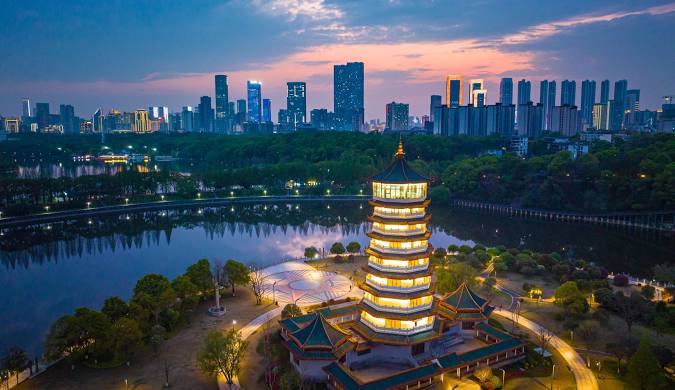
Welcome to Changsha — the soulful and spicy heart of China’s south. Located on the banks of the Xiang River, this dynamic city is the capital of Hunan Province, a land of bold flavors, passionate people, and profound history. If you’re looking for a travel destination that blends deep cultural roots with futuristic nightlife and mouth-numbing cuisine, Changsha will surprise and inspire you.


Why is Changsha Famous?

1. Birthplace of Mao Zedong

Changsha is the hometown of Chairman Mao, the founding father of modern China. His legacy is embedded throughout the city, especially on Orange Isle and in the Yuelu Academy.

2. Home of Spicy Hunan Cuisine

Changsha is considered the capital of fiery food. If you think Sichuan food is hot, wait until you try Hunan dishes — intense, bold, and unapologetically spicy.

3. A Cultural Powerhouse

Changsha is known for its entertainment industry, literary contributions, and heritage sites. It’s home to Yuelu Academy, one of the oldest universities in the world, and Mawangdui, an ancient Han dynasty tomb.

4. City of Nightlife

Modern Changsha pulses with energy at night — from lively pedestrian streets to trendy rooftop bars and popular live-streaming venues. The city’s nightlife is as famous as its food.


How to Reach Changsha

1. By Air

  • Changsha Huanghua International Airport (CSX) connects with all major Chinese cities and international hubs such as Bangkok, Seoul, Tokyo, and Singapore.
  • Airport to downtown: ~40 minutes by taxi or airport shuttle.

2. By High-Speed Rail

  • Changsha South Railway Station is a major stop on the Beijing-Guangzhou high-speed line.

3. By Metro and Bus

  • Changsha has a reliable metro system (currently 6 lines) and an efficient city bus network. Taxis and Didi (Chinese Uber) are also widely available.

Top Places to Visit in Changsha

1. Yuelu Mountain (岳麓山)

A scenic escape right within the city. This forest-covered hill is rich in both nature and history.

  • Hike or take the cable car for a panoramic view of the city.
  • Visit Yuelu Academy, a Confucian academy founded over 1,000 years ago, now part of Hunan University.

2. Orange Isle (橘子洲头)

An island in the middle of the Xiang River, famous for its giant Mao Zedong Youth Statue and vibrant landscape.

  • Ideal for biking, walking, or catching the laser light show at night.

3. Hunan Provincial Museum

Home to the Mawangdui Han Tombs, including the impeccably preserved Lady Dai — one of the best-preserved mummies ever discovered.

  • Artifacts include silk scrolls, ancient maps, and medical texts.

4. Taiping Street & Pozi Street

Historic pedestrian areas with old architecture, boutique shops, tea houses, and endless street food stalls.

  • Don’t miss stinky tofu, spicy crayfish, and sugar oil baba.

5. Huangxing Road Walking Street

The heart of modern Changsha — packed with fashion outlets, street snacks, karaoke bars, and live entertainment.

  • Especially vibrant at night. Perfect for people-watching and late-night snacks.

Things to Do in Changsha

1. Indulge in Hunan Cuisine

Hunan food is characterized by its use of fresh chili peppers, pickled vegetables, and aromatic spices.

Must-try dishes:

  • Chairman Mao’s Red Braised Pork (毛氏红烧肉)
  • Duo Jiao Yu Tou (Steamed fish head with chopped chili)
  • La Rou (smoked pork with dried long beans)
  • Stinky Tofu – crispy, pungent, and delicious

2. Catch a Light Show on Orange Isle

Nightfall brings a spectacular laser and light show across Orange Isle and the Xiang River — a must-see spectacle.

3. Explore the Nightlife

From bar streets like Hexi Bar Street to high-end rooftop lounges and KTV karaoke, Changsha knows how to party.

  • Visit Super Wenheyou — an immersive shopping and nightlife complex styled like 1980s Changsha.

4. Enjoy Traditional Theater

Watch Hunan Opera or local drama performances at traditional theaters.

5. River Cruise on the Xiang River

Hop on a night cruise and witness the city sparkle from the water while enjoying traditional music and drinks.


Day Trips from Changsha

1. Shaoshan

  • Birthplace of Mao Zedong, located just 1.5 hours from Changsha.
  • Visit Mao’s former residence, the Shaoshan Memorial Museum, and local countryside.

2. Nanyue Hengshan Mountain

One of China’s Five Great Mountains, known for Taoist temples and lush natural beauty.

  • Ideal for hiking and spiritual retreats.

3. Zhangjiajie

Although farther (about 4-5 hours by train), many use Changsha as a base before heading to this otherworldly mountain range — the inspiration for the floating mountains in Avatar.


Best Time to Visit Changsha

Spring (March–May)

  • Pleasant weather and blooming flowers.
  • Perfect for hiking and city strolls.

Autumn (September–November)

  • Dry, cool, and ideal for exploring without heat or rain.

Avoid

  • July-August: Hot and humid.
  • Chinese New Year: Crowded and expensive.

Where to Stay in Changsha

Luxury

  • Niccolo Changsha (in IFS Tower, heart of the city)
  • Sheraton Changsha Hotel

Mid-Range

  • Holiday Inn Changsha
  • Kempinski Hotel Changsha

Budget

  • Changsha Sunflower International Hostel
  • Zheman Youth Hostel

Shopping in Changsha

1. IFS Changsha

This luxury mall features global brands, a rooftop art garden, and the famous KAWS statue — a popular selfie spot.

2. Wanda Plaza

For both shopping and entertainment — cinemas, arcades, and restaurants.

3. Super Wenheyou

Combines nostalgia and modern retail in a themed marketplace mimicking old Changsha. Eat, shop, and snap photos.


Hidden Gems in Changsha

1. Lushan Temple

An off-the-beaten-path Buddhist temple with peaceful surroundings and ancient trees.

2. Tianxin Pavilion

Historic towers offering great city views, tucked away near the former city walls.

3. Martyrs’ Park

A massive green space with lakes, pavilions, and an emotional tribute to revolutionary heroes.


Cultural Etiquette Tips

  • Spicy means very spicy: Don’t hesitate to ask for less chili if needed.
  • Tea etiquette: Gently tap the table with two fingers after someone pours your tea — a sign of thanks.
  • Cashless is king: Mobile payments like WeChat Pay and Alipay dominate. Carry a bank card for backup.
  • Respect history: Sites like Shaoshan are of deep national significance.

Fun Facts About Changsha

  • Changsha was once described by Marco Polo during his travels in China.
  • The city’s name literally means “long sandbank,” referencing its riverside location.
  • It’s one of the top cities for live-streaming influencers in China.
  • Lady Dai’s tomb at Mawangdui contained 2,000-year-old cosmetics and food still intact!

Final Thoughts: Why Visit Changsha?

Changsha is China with soul. It’s a place where history whispers from ancient academies, where revolutionary spirits echo through memorial halls, and where every bite of spicy food sings a story of bold living.

If you’re looking to go beyond the tourist trails and experience a city that’s unapologetically alive, fiercely flavorful, and deeply proud of its past — Changsha is your city.

Xi’an: Walking Through the Gates of Time

Xian

Xi’an isn’t just a city — it’s the cradle of Chinese civilization. For over a thousand years, Xi’an served as the capital for 13 dynasties and stood as the starting point of the legendary Silk Road. Today, it’s a mesmerizing blend of ancient tradition and modern life, offering travelers a unique chance to walk through the very gates of history.

Whether you’re drawn to awe-inspiring archaeological wonders like the Terracotta Army, or seeking to immerse yourself in vibrant street life and exotic cuisines, Xi’an is one of China’s most culturally rich and unforgettable destinations.


Why is Xi’an Famous?

1. Terracotta Army

Xi’an is world-famous for the Terracotta Warriors, an underground army of life-sized soldiers built over 2,000 years ago to guard Emperor Qin Shi Huang in the afterlife.

2. Ancient Capital

As one of the Four Great Ancient Capitals of China, Xi’an was home to 13 dynasties including the Qin, Han, and Tang. This historical legacy permeates the city.

3. Silk Road Gateway

Xi’an was the eastern terminus of the Silk Road, connecting China to Central Asia, the Middle East, and Europe — making it a melting pot of culture, religion, and trade.

4. City Wall

Xi’an boasts the largest and best-preserved city wall in China, offering panoramic views and a historical experience unmatched elsewhere.

5. Muslim Quarter

A unique blend of Islamic and Chinese culture, Xi’an’s Muslim Quarter is famous for its lively markets, Halal cuisine, and traditional Hui culture.


How to Reach Xi’an

1. By Air

  • Xi’an Xianyang International Airport (XIY) connects to major cities in China and the world including Beijing, Shanghai, Hong Kong, Bangkok, and Tokyo.
  • Located 40 km from the city center. Airport shuttle buses and taxis are easily available.

2. By High-Speed Train

Xi’an is a major hub in China’s high-speed rail network:

  • From Beijing: 4.5–6 hours
  • From Shanghai: 6–7 hours
  • From Chengdu: 3–4 hours

3. By Road or Bus

Long-distance buses operate to/from nearby provinces like Gansu, Shanxi, and Sichuan.

4. Local Transport

  • Metro: 6 metro lines covering the entire city.
  • Buses: Extensive network with signs in English.
  • Bikes/E-bikes: Widely available via apps like Meituan and HelloBike.

Top Places to Visit in Xi’an

1. Terracotta Army

Discovered in 1974, the Terracotta Army consists of over 8,000 life-sized warriors, horses, and chariots buried with China’s first emperor.

  • Location: 40 km from Xi’an
  • Tips: Go early, hire a guide for in-depth stories, and don’t miss Pit 1 (the largest).

2. Xi’an City Wall

Built during the Ming Dynasty, this 13.7-kilometer wall surrounds the old city.

  • Activities: Rent a bike and ride the entire wall for stunning city views.

3. Big Wild Goose Pagoda

Originally built in 652 AD, this pagoda is a symbol of the Tang Dynasty and a major Buddhist site.

  • Highlights: Evening musical fountain show at the North Plaza.

4. Muslim Quarter

This lively neighborhood near the Drum Tower is packed with street food stalls, bazaars, and historic mosques.

  • Must-try foods: Roujiamo (Chinese hamburger), Yangrou Paomo (lamb soup), and sticky rice cakes.

5. Bell and Drum Towers

Landmarks of the Ming Dynasty, these towers mark the city’s center and light up beautifully at night.

6. Great Mosque of Xi’an

One of the oldest and most renowned mosques in China, showcasing a unique blend of Islamic and Chinese architecture.


Things to Do in Xi’an

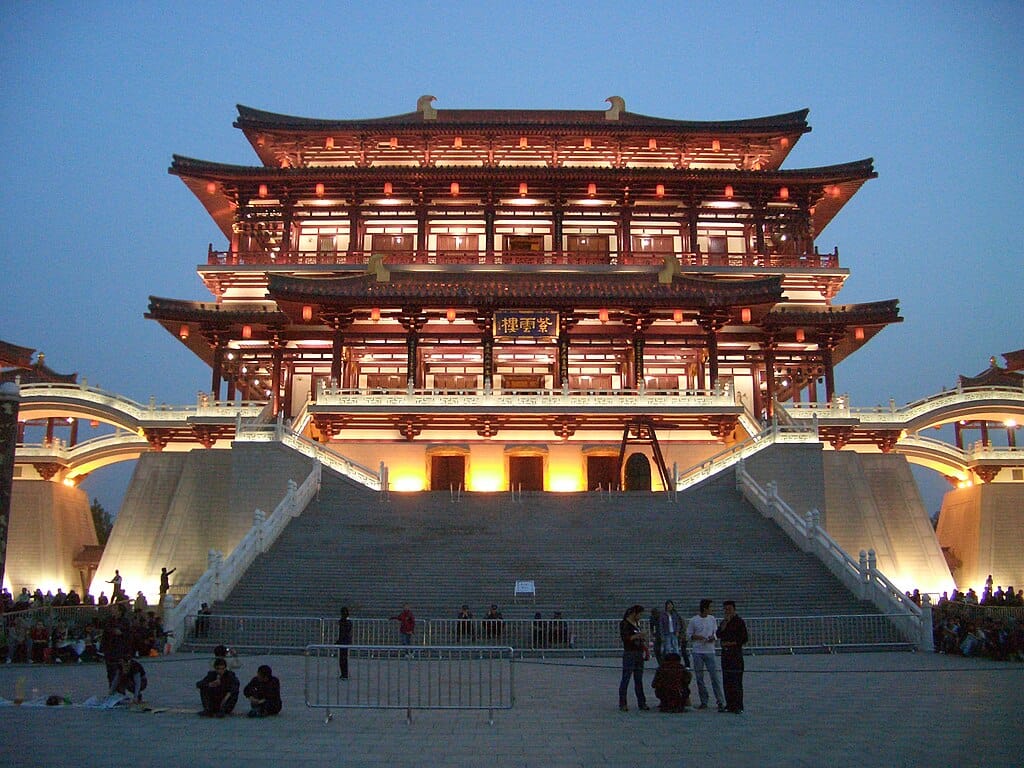
1. Explore the Tang Paradise

A modern theme park modeled after the Tang Dynasty, complete with gardens, performances, and cultural exhibitions.

2. Witness a Tang Dynasty Show

Enjoy dinner and a colorful performance of Tang music and dance — a visual feast of Chinese history.

3. Bike the City Wall

Renting a bike and cycling the top of Xi’an’s City Wall is one of the most iconic experiences in China.

4. Calligraphy Class

Learn the ancient art of Chinese calligraphy in a local studio or cultural center.

5. Try Traditional Hanfu

Rent traditional Han dynasty attire and take photos at scenic spots like the Wild Goose Pagoda or city wall.


Day Trips from Xi’an

1. Mount Hua (Huashan)

One of China’s Five Sacred Mountains, known for its dangerous cliffside plank walk and breathtaking peaks.

  • Distance: 1.5 hours by train from Xi an.
  • Tip: Take the cable car if you’re not up for the hike.

2. Famen Temple

An important Buddhist site said to house a finger bone relic of the Buddha.

  • Distance: 2 hours from Xian.
  • Ideal for history buffs and spiritual travelers.

3. Hanyangling Mausoleum

A Han Dynasty tomb with a “subterranean museum” that allows visitors to walk over ancient ruins via glass pathways.


What to Eat in Xi’an

Xi’an is a food lover’s paradise, especially for fans of bold, spicy, and meaty dishes.

1. Roujiamo

Often referred to as the “Chinese burger,” it features chopped meat (usually pork or lamb) in a crispy bun.

2. Yangrou Paomo

A rich mutton soup served with hand-torn bread. A must-try traditional dish!

3. Biang Biang Noodles

These are wide, thick, belt-like noodles served with chili oil, garlic, and meat or veggies. Known for having the most complex Chinese character!

4. Liangpi

Cold, spicy noodles served with vinegar, chili, and cucumber — refreshing and flavorful.

5. Chinese Steamed Buns (Baozi)

Available with various fillings like minced pork, beef, or red bean.


Where to Stay in Xi’an

Luxury

  • Sofitel Legend People’s Grand Hotel Xi’an
  • W Xi’an

Mid-Range

  • Eastern House Boutique Hotel
  • Xian Skytel Hotel

Budget

  • Hantang Inn Hostel
  • Ancient City International Youth Hostel

Shopping in Xi’an

1. Shuyuanmen Street

Great for calligraphy, paintings, antiques, and Chinese brushes.

2. Muslim Quarter Bazaar

Pick up traditional snacks, local crafts, and ethnic jewelry.

3. Kaiyuan Shopping Mall

Modern shopping mall with international brands.

4. Tang West Market

Combines history with commerce, offering themed cultural performances and artisan goods.


Best Time to Visit Xi’an

  • Spring (March–May): Mild temperatures and blooming flowers.
  • Autumn (September–November): Clear skies and ideal weather.
  • Avoid: Summer (hot and humid), Chinese New Year (crowded).

Cultural Etiquette in Xi’an

  • Dress Modestly when visiting temples and mosques.
  • Respect Local Customs: Especially in Muslim areas.
  • Language: Mandarin is spoken; English may be limited in non-tourist zones.
  • Payment: Mobile payment is dominant, but cash and cards are accepted in most hotels and shops.

Hidden Gems in Xi’an

1. Gao’s Grand Courtyard

A beautifully preserved traditional residence offering shadow puppetry and ancient architecture.

2. Daming Palace Ruins Park

Former imperial palace site of the Tang Dynasty, now an expansive archaeological park.

3. Eight Immortals Temple (Ba Xian An)

A Taoist temple with colorful carvings and a lively local atmosphere.

4. Xi’an Museum and Small Wild Goose Pagoda

Less crowded than Big Wild Goose, this site features a serene park and historical displays.


Fun Facts About Xi’an

  • The Terracotta Army was discovered by local farmers digging a well.
  • Xian was called Chang’an in ancient times, meaning “Eternal Peace.”
  • The character for Biang Biang noodles has 57 strokes — not found in standard dictionaries.
  • The city was once the largest in the world during the Tang Dynasty.

Final Thoughts: Why Visit Xi’an?

To visit Xian is to walk through time — from the underground mystery of the Terracotta Warriors to the vibrant alleyways of the Muslim Quarter. This city speaks in the language of emperors, poets, warriors, and traders.

Xi’an doesn’t just show you China’s past — it makes you feel it, taste it, and live it. For travelers seeking depth, discovery, and dramatic history, Xi’an is a treasure chest waiting to be opened.