
Travel

Beijing: A Majestic Journey Through China’s Imperial and Modern Heart

Beijing

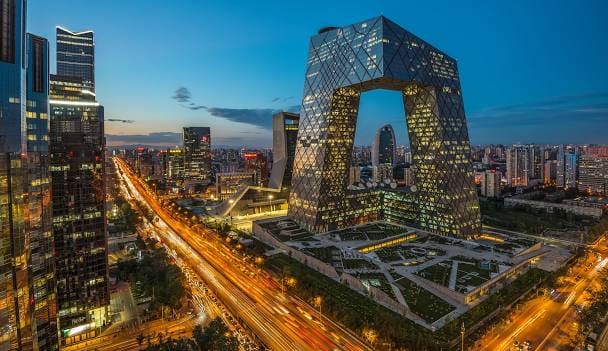
Welcome to Beijing—the beating heart of China’s past, present, and future. As one of the world’s oldest capital cities, Beijing seamlessly blends the grandeur of imperial dynasties with the thrill of modern progress. From walking the Great Wall to sipping tea in ancient hutongs, Beijing is a living museum and a modern metropolis rolled into one.

Whether you’re a history lover, culture seeker, architecture enthusiast, or culinary adventurer, Beijing offers something unforgettable. In this comprehensive guide, we’ll explore why Beijing is world-famous, where to go, what to do, how to reach it, and how to make the most of your trip.


Why Is Beijing Famous?

1. Capital of China for Over 800 Years

Beijing has been the political and cultural capital of China since the Yuan Dynasty. It has hosted emperors, revolutions, and now, global conferences and world leaders.

2. Home to Seven UNESCO World Heritage Sites

Beijing boasts an extraordinary concentration of heritage sites including the Forbidden City, Temple of Heaven, and parts of the Great Wall.

3. The Gateway to the Great Wall

Sections of the Great Wall such as Badaling and Mutianyu are easily accessible from the city.

4. Cultural and Culinary Epicenter

From Peking Duck to opera, calligraphy to kung fu, Beijing is where traditional Chinese culture thrives.

5. Modern Metropolis

Beyond history, Beijing is home to cutting-edge architecture like the Bird’s Nest Stadium, high-speed rail hubs, and one of the world’s busiest airports.


How to Reach Beijing

1. By Air

  • Beijing Capital International Airport (PEK) is the main gateway and the second busiest airport in the world.
  • Beijing Daxing International Airport (PKX) serves as the newer hub with futuristic architecture and high-speed rail links.

2. By Train

  • Bullet trains connect Beijing to cities like Shanghai, Xi’an, Guangzhou, Harbin, and Hong Kong.
  • Main stations: Beijing South, Beijing West, Beijing Railway Station, and Beijing Chaoyang.

3. By Road

  • Well-connected highways allow road access from nearby cities and provinces.
  • Intercity buses are available but not recommended for long-distance travel compared to high-speed trains.

4. By Metro

  • Beijing’s subway system is vast, affordable, and efficient—perfect for navigating the sprawling city.

Top Places to Visit in Beijing

1. The Great Wall of China

The symbol of China’s might, the Wall snakes across mountaintops and deserts. Popular sections near Beijing:

  • Badaling: Tourist-friendly, accessible by train.
  • Mutianyu: Less crowded, lush scenery, great for hiking.
  • Jinshanling: Wild and rugged, ideal for adventurous treks.

2. Forbidden City

This massive imperial palace complex was home to 24 emperors during the Ming and Qing dynasties. It’s now the Palace Museum, housing ancient artifacts, paintings, and royal secrets.

3. Tiananmen Square

One of the world’s largest public squares, it’s a place of historical significance and home to the Monument to the People’s Heroes, Mausoleum of Mao Zedong, and National Museum of China.

4. Temple of Heaven

Built in 1420, this Taoist complex is where emperors prayed for good harvests. The round Hall of Prayer for Good Harvests is an architectural masterpiece.

5. Summer Palace

A sprawling imperial garden with pavilions, lakes, and temples, perfect for a relaxing afternoon. Kunming Lake and the Long Corridor are standout features.

6. Beihai Park

One of China’s oldest and best-preserved imperial gardens. Rent a boat, enjoy the view, or visit the White Dagoba.

7. 798 Art Zone

A hip, contemporary art district filled with galleries, cafes, and street art—showcasing modern Beijing creativity.

8. Hutongs

Traditional narrow alleys that reflect old Beijing life. Visit Nanluoguxiang, Yandai Xiejie, and Shichahai for a taste of old charm.


Top Things to Do in Beijing

1. Climb the Great Wall at Sunrise

Avoid the crowds and catch the first light over the majestic stone wall—a once-in-a-lifetime experience.

2. Watch a Traditional Peking Opera

The Liyuan Theatre is the best place to witness this art form with costumes, singing, and martial arts.

3. Try Beijing Duck

A visit isn’t complete without crispy-skinned Peking Duck at Quanjude or Da Dong restaurants.

4. Join a Tai Chi Session

Early mornings in parks like Jingshan Park are perfect for observing or participating in local tai chi, fan dancing, or calligraphy.

5. Cycle the City Walls or Hutongs

Rent a bike and explore Beijing’s lesser-seen side at your own pace.

6. Shop at Silk Market or Panjiayuan

For souvenirs, antiques, and crafts, these markets offer everything from jade jewelry to painted fans.


Best Time to Visit Beijing

Spring (March–May)

  • Pleasant temperatures and blooming flowers.
  • Best time for outdoor activities like visiting gardens and temples.

Autumn (September–November)

  • Ideal weather and fall foliage.
  • Less smog and more blue skies.

Summer (June–August)

  • Peak tourist season with high heat and occasional rains.
  • Expect crowds at major attractions.

Winter (December–February)

  • Cold but less crowded.
  • Great for skiing in nearby resorts or enjoying hot pot.

Local Cuisine You Must Try

Beijing’s cuisine reflects northern Chinese flavors—hearty, savory, and diverse.

Must-Try Dishes:

  • Peking Duck – Served with pancakes, scallions, and hoisin sauce.
  • Zhajiangmian – Noodles with soybean paste and vegetables.
  • Hot Pot – Especially popular in winter with spicy or herbal broths.
  • Luzhu Huoshao – A traditional dish made with pork offal and bread.

Snacks to Explore:

  • Tanghulu (sugar-coated hawthorn)
  • Jianbing (Chinese crepes)
  • Baozi (steamed buns)

Where to Stay in Beijing

Luxury:

  • The Peninsula Beijing
  • Waldorf Astoria Beijing
  • Rosewood Beijing

Mid-Range:

  • Hotel Kapok (near Forbidden City)
  • Prime Hotel Beijing Wangfujing

Budget:

  • Happy Dragon Alley Hotel
  • Peking Youth Hostel (Hutong area)

Travel Tips for Beijing

  • Download a translation app like Pleco or use WeChat Translate for communication.
  • VPN: Needed to access Google, WhatsApp, and Instagram. Get it before entering China.
  • Subway over taxis: Avoid traffic and get around easily using the metro.
  • Cashless society: Learn to use Alipay or WeChat Pay. Some areas still accept cash.
  • Cultural etiquette: Dress modestly when visiting temples; be respectful when discussing history.

Off-the-Beaten-Path Destinations in Beijing

1. Gubei Water Town & Simatai Great Wall

A charming replica of an ancient town near a wild section of the Wall—stunning at night with lanterns and river reflections.

2. Fragrant Hills Park

Perfect during autumn for leaf viewing and panoramic hikes.

3. Beijing Ancient Observatory

Built in the Ming dynasty, it showcases ancient Chinese astronomy.

4. Caochangdi Art Village

An alternative to 798, less commercial, and home to avant-garde artists.

5. Ming Tombs

Explore the resting places of 13 emperors with grand architecture and the Spirit Way lined with stone statues.


Suggested 3-Day Itinerary

Day 1

  • Tiananmen Square
  • Forbidden City
  • Jingshan Park
  • Wangfujing Street for dinner

Day 2

  • Great Wall (Mutianyu or Jinshanling)
  • Hot Pot dinner in Sanlitun
  • Optional: Night view from Olympic Park

Day 3

  • Temple of Heaven
  • Summer Palace
  • 798 Art District
  • Peking Duck dinner

Final Thoughts: Beijing Is Timeless

To visit Beijing is to travel through dynasties and into the future. It’s a place where emperors ruled, philosophers pondered, artists flourished, and revolutions brewed. Yet it’s also where high-speed trains zip past, skyscrapers glitter, and a global youth culture pulses through its veins.

Beijing is not just the political capital of China—it’s the emotional core of a nation with 5,000 years of history. It will challenge, surprise, and inspire you.

Yunnan: China’s Hidden Gem of Culture, Nature, and Timeless Beauty

yunnan

Nestled in the far southwest of China, Yunnan Province is a traveler’s dream: a land of breathtaking beauty, rich ethnic diversity, and age-old traditions. From snow-capped mountains and terraced rice fields to ancient towns and vibrant markets, Yunnan is a sensory feast.

Often overlooked by first-time travelers to China, Yunnan offers an authentic and diverse experience of the country—one that is laid-back, culturally immersive, and scenically unmatched.

This blog post dives into why Yunnan is famous, where to go, what to do, how to get there, and how to make the most of your visit.


Why Is Yunnan Famous?

1. Diverse Ethnic Cultures

Home to 25 recognized ethnic minorities, Yunnan is the most ethnically diverse province in China. Each group brings its own customs, languages, festivals, and dress.

2. Unmatched Natural Scenery

From the snow-covered Meili Snow Mountains to the lush jungles of Xishuangbanna, Yunnan’s landscapes are as diverse as its people.

3. Historical Significance

Yunnan has been a part of the ancient Tea Horse Road, linking China with Tibet and Southeast Asia through trade and cultural exchange.

4. Mild Climate

Thanks to its varied topography, Yunnan enjoys a spring-like climate year-round, especially in the capital city of Kunming, known as the “Spring City.”


How to Reach Yunnan

1. By Air

  • Kunming Changshui International Airport (KMG) is the main gateway with direct flights from major Chinese cities and international destinations like Bangkok, Singapore, Kuala Lumpur, and Kathmandu.
  • Other airports: Lijiang (LJG), Dali (DLU), and Shangri-La (DIG).

2. By Train

  • High-speed trains now connect Kunming with Chengdu, Guiyang, Nanning, and even Hong Kong.
  • Regular trains are available to Lijiang, Dali, and beyond.

3. By Road

  • While scenic, road travel in Yunnan is slower due to mountainous terrain.
  • Buses are available but best suited for local or regional exploration.

Top Places to Visit in Yunnan

1. Lijiang Ancient Town

A UNESCO World Heritage Site, Lijiang is a beautifully preserved town of winding stone lanes, canals, and wooden houses. It’s home to the Naxi ethnic group and famous for its romantic atmosphere.

  • Don’t miss: Black Dragon Pool, Naxi music performances, and climbing to Lion Hill for sunset views.

2. Dali

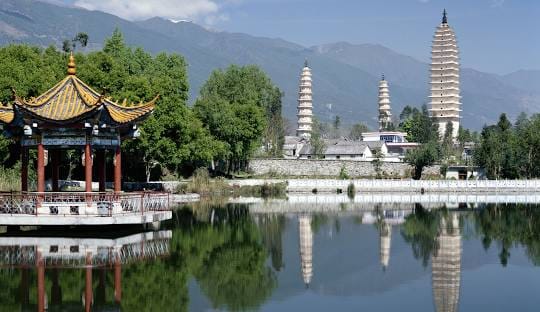
Located between the Cangshan Mountains and Erhai Lake, Dali offers old-world charm and bohemian vibes. The Bai ethnic group calls this area home.

  • Highlights: Dali Old Town, Three Pagodas, boat rides on Erhai Lake, and cycling along scenic trails.

3. Shangri-La

High on the Tibetan Plateau, Shangri-La is a gateway to Tibetan culture within Yunnan. Snowy mountains, prayer flags, and Buddhist monasteries await.

  • Must-see: Songzanlin Monastery, Pudacuo National Park, and Napa Lake.

4. Yuanyang Rice Terraces

These mind-blowing terraces have been carved into mountains by the Hani people over centuries. They’re best seen at sunrise or sunset for surreal reflections.

5. Kunming

As Yunnan’s capital, Kunming is a modern yet relaxed city. It’s often used as a hub for exploring other destinations but has plenty to offer on its own.

  • Visit the Stone Forest (Shilin), Dianchi Lake, and Yuantong Temple.

6. Xishuangbanna

This tropical area in southern Yunnan borders Laos and Myanmar. It’s known for rainforests, wild elephants, and Dai culture.

  • Key attractions: Wild Elephant Valley, Menglun Botanical Garden, and water festivals in April.

Things to Do in Yunnan

1. Trekking

Yunnan has some of the best hiking trails in China:

  • Tiger Leaping Gorge: One of the world’s deepest canyons, perfect for 2-3 day treks.
  • Meili Snow Mountain Base Camp: For experienced hikers craving high-altitude adventure.

2. Experience Ethnic Culture

Attend traditional festivals like the Torch Festival (Yi people) or the Water Splashing Festival (Dai people). Visit local homes, wear traditional dress, and try your hand at indigenous crafts.

3. Ride the Erhai Bike Loop

Cycling around Erhai Lake in Dali is one of the most scenic activities you can do. Stop at local villages, lakeside cafes, and photo spots along the way.

4. Hot Springs and Wellness

Yunnan’s mountainous geography is dotted with natural hot springs, such as Anning Hot Springs near Kunming or Xizhou Hot Springs near Dali.

5. Tea Tasting in Pu’er

Explore the origins of China’s famous Pu’er tea. Visit plantations, watch traditional tea processing, and attend tea ceremonies.

6. Visit Flower Markets

Yunnan is China’s top flower-producing province. Visit Kunming’s Dounan Flower Market, one of Asia’s largest wholesale flower markets.


Local Cuisine of Yunnan

Yunnan cuisine is as diverse as its culture—full of flavor, spice, and earthy ingredients.

Must-Try Dishes:

  • Crossing-the-Bridge Noodles (过桥米线) – A soul-warming noodle soup with a legendary origin.
  • Wild Mushroom Hotpot – Rich, umami-packed hotpot made from foraged mushrooms.
  • Stir-fried Insects – A delicacy in many ethnic communities.
  • Er Kuai – A chewy rice cake served grilled, stir-fried, or stuffed.

Beverages:

  • Pu’er Tea – A fermented tea known for its digestive and health benefits.
  • Yunnan Coffee – The province has recently gained fame for high-altitude, small-batch coffee plantations.

Best Time to Visit Yunnan

Yunnan can be visited year-round, but the best time varies by region.

Spring (March–May)

  • Ideal for Kunming, Dali, and Lijiang.
  • Flowers bloom, and weather is mild.

Summer (June–August)

  • Great for high-altitude destinations like Shangri-La and Tiger Leaping Gorge.
  • Xishuangbanna is lush but humid.

Autumn (September–November)

  • The best time for trekking and rice terrace photography.
  • Crisp air and golden colors dominate the landscape.

Winter (December–February)

  • Mild winters in Kunming and Dali.
  • Snowfall in Shangri-La creates dramatic mountain scenes.

Where to Stay in Yunnan

Luxury:

  • Banyan Tree Lijiang
  • Songtsam Lodges (Shangri-La) – Boutique Tibetan-inspired luxury.
  • InterContinental Kunming

Mid-Range:

  • The SilkTree Hotel, Dali
  • Lijiang Wangfu Hotel

Budget:

  • Mama Naxi Guesthouse (Lijiang)
  • Green Forest Hostel (Kunming)

Travel Tips for Yunnan

  • Altitude sickness is real in places like Shangri-La. Acclimate slowly and stay hydrated.
  • Language barrier: English isn’t widely spoken; use translation apps or hire a guide.
  • Cash or Alipay: Mobile payment dominates in China. Carry some cash for remote areas.
  • Cultural sensitivity: Ask before photographing locals, especially during religious ceremonies or festivals.

Off-the-Beaten-Path Destinations in Yunnan

1. Dongchuan Red Land

  • Vivid red and green layered farmland, especially stunning after rain.

2. Luoping

  • Famous for golden canola flower fields in spring.

3. Weishan Old Town

  • An untouched alternative to Dali and Lijiang with Ming dynasty charm.

4. Jianshui Ancient Town

  • Home to well-preserved Confucian temples and traditional bridges.

Final Thoughts: Why Yunnan Should Be on Your China Bucket List

Yunnan is not just a destination—it’s an experience. It’s where you wake up to the sound of prayer bells in Shangri-La, walk through time in ancient towns, sip tea with locals in tiny villages, and feel the earth shift under your feet as you trek through gorges and mountains.

Whether you’re seeking cultural depth, natural beauty, or simple tranquility, Yunnan welcomes you with open arms and endless stories.

Chengdu: Where Pandas Roam and Spice Rules the Soul

Chengdu

Welcome to Chengdu — a city where pandas nap, chilies reign, and the pace of life slows down just enough for you to soak in its charm. As the capital of Sichuan Province, Chengdu is not just a travel destination — it’s a sensory experience. From spicy food that makes your lips tingle to bamboo forests where pandas munch lazily, Chengdu is the ultimate mix of tradition, nature, and urban cool.


Why is Chengdu Famous?

1. Giant Pandas

Chengdu is the world’s panda capital, home to the largest panda breeding research base. It’s your best chance to see these national treasures up close.

2. Sichuan Cuisine

Chengdu is the birthplace of Sichuan food, known for its fiery spices and tongue-tingling Sichuan peppercorns. It was named a UNESCO City of Gastronomy for good reason.

3. Laid-back Lifestyle

Locals love tea houses, Mahjong, and long lunches. Chengdu has been called the “City That Knows How to Enjoy Life”.

4. Cultural Richness

From ancient Shu civilization relics to Taoist temples and folk performances, Chengdu’s culture is deep and diverse.

5. Gateway to Western China

Chengdu is the springboard to Tibetan regions, Jiuzhaigou, and Mount Emei, making it a strategic base for explorers.


How to Reach Chengdu

1. By Air

  • Chengdu Tianfu International Airport (TFU) and Shuangliu International Airport (CTU) connect the city to major domestic and global destinations.
  • Taxis, metro lines, and airport buses ensure easy transit into the city.

2. By High-Speed Train

  • Chengdu East and South Railway Stations serve fast trains from cities like Xi’an, Chongqing, Kunming, Beijing, and Shanghai.

3. By Road

  • Well-connected via highways and long-distance bus services to nearby provinces and tourist spots.

Top Places to Visit in Chengdu

1. Chengdu Research Base of Giant Panda Breeding

  • The highlight of any visit to Chengdu.
  • See pandas eating, playing, and sleeping. Go early to catch them active.
  • Learn about conservation efforts and panda biology.

2. Wuhou Shrine and Jinli Ancient Street

  • A cultural duo. The Wuhou Shrine honors Zhuge Liang, a revered strategist from the Three Kingdoms era.
  • Jinli Street next door offers traditional snacks, souvenirs, opera shows, and tea.

3. Wenshu Monastery

  • A peaceful oasis in the city, still active with Buddhist monks.
  • Beautiful architecture, calligraphy, and vegetarian food.

4. Chunxi Road & Taikoo Li

  • Chengdu’s shopping mecca. International luxury meets local design.
  • Great for fashion, cafes, and people-watching.

5. Dujiangyan Irrigation System

  • A UNESCO World Heritage Site, 2,000 years old and still functioning.
  • Combines engineering genius with breathtaking views.

6. Mount Qingcheng

  • One of the birthplaces of Taoism. Lush, misty trails and ancient temples offer a spiritual escape.

Things to Do in Chengdu

1. Eat Sichuan Hotpot

  • A boiling cauldron of red chili oil and Sichuan pepper. Dip meats, tofu, mushrooms, and more.
  • Try local favorites like Haidilao or Shujin Hotpot.

2. Drink Tea at a Teahouse

  • Chengdu’s teahouses are cultural institutions.
  • Best spots: People’s Park, Heming Teahouse, and Shunxing Old Teahouse.
  • Watch locals play Mahjong, get ear-cleaning services, or just relax.

3. Watch Sichuan Opera Face-Changing

  • A magical performance where actors switch masks in a flash.
  • Best venues: Shufeng Yayun Teahouse, Sichuan Opera Theatre.

4. Take a Bamboo Forest Walk

  • Many parks like Wangjiang Pavilion Park and Huanhuaxi Park feature scenic bamboo groves.

5. Explore Chengdu’s Food Scene

  • Try Mapo Tofu, Kung Pao Chicken, Dan Dan Noodles, and Twice-Cooked Pork.
  • Street food lovers, head to Yulin Road or Kuan Zhai Alley.

Best Day Trips from Chengdu

1. Leshan Giant Buddha

  • Just 1.5 hours away, this 71-meter tall Buddha is carved into a cliff at the confluence of three rivers.
  • Take a boat ride to see it from the water.

2. Mount Emei

  • One of China’s Four Sacred Buddhist Mountains.
  • Hike or take the cable car to experience its temples, sunrise, and monkeys.

3. Dujiangyan Panda Valley

  • Quieter than the main panda base and offers a more immersive experience.
  • Great for those who want fewer crowds.

Best Time to Visit Chengdu

Spring (March–May)

  • Comfortable temperatures and blooming flowers.

Autumn (September–November)

  • Crisp air, colorful leaves, and great food festivals.

Avoid

  • Summer (June–August): Hot and humid.
  • Chinese New Year: Crowds and higher prices.

Where to Stay in Chengdu

Luxury

  • The Temple House
  • Niccolo Chengdu

Mid-Range

  • Rhombus Park Aura Chengdu Hotel
  • Tibet Hotel

Budget

  • Mix Hostel Chengdu
  • Lazybones Hostel Downtown

Chengdu’s Unique Vibe

What makes Chengdu so unforgettable is its laid-back energy. Despite being a major tech and business hub, the city refuses to give up its love of tea, storytelling, and savoring life.

Locals are friendly, curious, and often hilarious. Life is lived at a slower pace — which makes Chengdu a great destination to recharge your soul while exciting your senses.


Shopping in Chengdu

1. IFS and Taikoo Li

  • International fashion and boutique stores in stylish architectural settings.
  • Look out for the iconic panda climbing the IFS building.

2. Jinli and Kuan Zhai Alleys

  • Great for local crafts, snacks, tea, and souvenirs.

3. Songxian Qiao Antique Market

  • A haven for antique lovers. You can find calligraphy, old coins, traditional art, and more.

Hidden Gems in Chengdu

1. Wangjianglou Park

  • A lesser-known bamboo-themed park with the Wangjiang Pavilion and serene riverside paths.

2. Huanhuaxi Park

  • Tranquil lakes, winding paths, and quiet bamboo groves make it a perfect spot for reflection.

3. Luodai Ancient Town

  • An old Hakka town just outside Chengdu, known for stone alleys, colorful parades, and street snacks.

Cultural Tips for Visiting Chengdu

  • Respect the spice: Sichuan food is addictive but intense. Know your limits.
  • Mobile payment is standard: Alipay and WeChat Pay are widely used.
  • Learn a few words: Even “ni hao” and “xie xie” go a long way in making friends.
  • Join locals: Whether in a teahouse, hotpot restaurant, or playing Mahjong, Chengdu welcomes curious visitors.

Fun Facts About Chengdu

  • Chengdu’s history dates back over 3,000 years.
  • It’s the first city in Western China to have a metro system.
  • The word “panda diplomacy” was born here — many pandas sent abroad for diplomacy come from Chengdu.
  • You can find robot servers, live-streaming parks, and old Mahjong clubs — all in one neighborhood.

Final Thoughts: Why Visit Chengdu?

Chengdu is more than a tourist stop — it’s a state of mind. It’s where time slows down, flavors speed up, and everything feels just right. Whether you’re here for the pandas, the hotpot, or the peaceful moments in a bamboo grove, Chengdu delivers experiences that are unforgettable and deeply human.