

Month: March 2021

Transforming Accounts Payable: Opportunities, Challenges, and Next Steps

Many business owners feel manually approving and processing invoices a mundane job that consumes a lot of time too. According to the Institute of Finance and Management (IOFM), about two-thirds of businesses invest in AP automation. 88% of companies likely to remove more than one-fourth of the paper-based supplier invoices within the coming three years.


Given the always-increasing growing competition, businesses are determined to manage accounts payable accounting efficiently. For this, they need to streamline AP functions, manage outbound cash flows better, focus on limiting expenses, and increasing financial agility.


Opportunities You Can Lock by Managing Accounts Payable Effectively


Have a proper system in place to manage payments, and here, the most important thing is accuracy. When it comes to AP management, you must ensure you are paying only accurate and legitimate invoices. This way, you will not pay extra money for duplicate or repeated invoices. Whenever you process invoices, always ask yourself the following questions;


·      Is the invoice reflecting the exact item your company ordered?

·      Has your company received the order?

·      Are item units and cost calculations correct?

·      Is tax added correctly?


Make sure these details are right so that this information will help you ensure your AP process’s integrity and accuracy. If this information is correct, you will get opportunities to save a lot by not paying extra due to any mistake or error or avoiding late payment fees by making payments on time.


Common Challenges Faced by Businesses while Managing Accounts Payable


1. Errors in Valuable Financial Information


Data entry is one of the most tedious and time-consuming tasks in AP besides approval and payment processing. Although manual data entry seems a very easy-to-do job, it requires many resources and is prone to several errors/mistakes.


If your company relies upon paperwork at all stages of the AP process, human errors are likely to be exponentially more.


2. Data Management


AP activities generate a large number of essential documents that you need to store for a long time due to compliance requirements. The bigger your business is, the greater the number of documents you need to keep. Document management is costing you a lot of money, but with time, it might become more difficult for you to track and manage necessary data you will require in times of need.


All of this might negatively impact your AP staff’s efficiency in the long run, leading to a reduction in financial transparency.


3. Complicated Invoice Processing


Purchase orders may require the approval of multiple authorities, involving several departments, making the chain of approvers long; this is where things can get complicated and slow down the payment process, increasing internal processes and communication costs. A purchase order may pass through 5-6 people.


Meanwhile, the information can get distorted, leading to business/financial decisions made based on data that is not sure-short accurate.


4. Payment Delay


Paying your suppliers late can hamper your relationship with them. The supplier may not do business with you again or may put a penalty for late payments. If not, it will damage your company’s reputation in the market and the trust your customer base has in you. This is a big reason why several businesses outsource accounts payable services to reliable accounting firms.

5. Cybersecurity Threats


You might be familiar with technologies that help you manage financial accounting for your business, or you might be using a few. However, you also must know that your accounting system’s digitization doesn’t mean your financials are totally safe.


Your company’s accounts and financial information is always prone to cyber fraud. For example, scammers/fraudsters can hack your business accounts by sending a tricky email to your AP staff and sending your money into their accounts in just two minutes.


Next Best Steps – Improving the Below-discussed Processes to Manage AP Better


1. Vendor Selection


One of the initial steps you can take toward having a robust AP system is to set up a list of suppliers you prefer. This will help you prevent making low-quality purchases and get your company in a position to negotiate buying terms that would be most favorable to you. Improve your vendor selection process;


·      Set priorities for vendor negotiation, and make sure you involve all key people and decision-makers of your company; for instance, CFO and CPO.


·      Always look for opportunities where you can negotiate better pricing. For this, you can ask suppliers to offer lower prices as provided to others, or you can negotiate for discounts on large volume orders.


2. Set-up a Supplier Master Data


After negotiating terms with suppliers, it becomes necessary to capture and maintain all supplier data properly. Remember that inaccurate data can lead to poor decisions and prevent you from leveraging discounts available, or may also disrupt the supply chain.


·      Make sure all SLAs – service level agreements are clearly mentioned in your supplier management systems.


·      Besides other information, the master data must reflect product/service details, delivery timelines, quality standards, supplier obligations, and all other regulatory compliance mandates that are generally applied as per your locality.


·      Store supplier contracts properly in a secure place.


·      Online document management systems can help make this process streamlined and make it easier for you to search for information when needed.


3. Contractual Review


You might want to prevent fraudulent activities in your billing process, which may lead to duplicate payment or overpayment. To do this, you need to review contracts regularly.


·      Create a master data team responsible for checking the accuracy, order completeness, and compliance with terms. 


·      Apart from that, this team should also review suppliers’ performance so that the suppliers always meet contractual terms.


·      You should also include clauses that hold suppliers accountable for penalties if they are underperforming.


·      You should do periodic supplier contract reviews on time and compare their performance with each other, in addition to comparing contracts with others in the industry.


4. Invoice Processing


Properly managing the entire invoice processing is a great way to improve liquidity. Inaccurate invoices should be sent back to suppliers; you may refuse to pay invoices that contain wrong costs, item quantities, postal address, etc.


·      Process invoices on time and prefer to include a date stamp to validate it.


·      Make sure you complete invoice processing while keeping in mind the defined internal SLAs – for example, processing invoices within a week of receipt.


·      Regularly review the AP aging lists in order to determine if the appropriate follow-up actions are being taken or not.


·      Have an EDI system to allow suppliers to send invoices electronically.


This way, you will also be able to track invoices easily against their associated Pos, validate and approve payments, and maintain accurate AP records.


5. Financial Accounting & Reporting


Before you focus on managing your payables, you need to make sure that your accounting statements, reports are correct and up-to-date and your financials are reflecting the AP balances fairly. In the absence of this information, your company may lack visibility into how much you make payments to your suppliers and when.


To improve your financial accounting and reporting process, follow the below-described tips.


·      Ensure billing accuracy – for this, you should validate invoices against contract terms.


·      Automate reconciliation work – improve real-time reporting capabilities and make sure to continue them in the long run.


·      Have the same team to prepare and review the reconciliation work in order to reduce the chances of overpayment and duplicate payments.


Conclusion


By making improvements in AP governance, setting up clear policies and management processes, and consistently following key metrics, your company can streamline almost all business processes. If approached correctly and effectively, you can strengthen cost management, eliminate process complications, reduce financial fraud risks, and enhance supplier contract compliance and relationships.

With complete support from executive-level employees, these above-discussed points can help you do way more efficiently than just managing the AP process. Besides, all of this can help you bring greater liquidity, leading to better business performance and a healthier bottom line.


Computer Game Addiction: Symptoms, Causes & Treatment

When most people think of addiction, they think drugs, gambling or substance abuse. But there are other forms of addictions. Gaming addiction is one of them. If you have a loved one who is suffering from this addiction then here is guide for you to find out more about it and help those loved ones.

Symptoms:

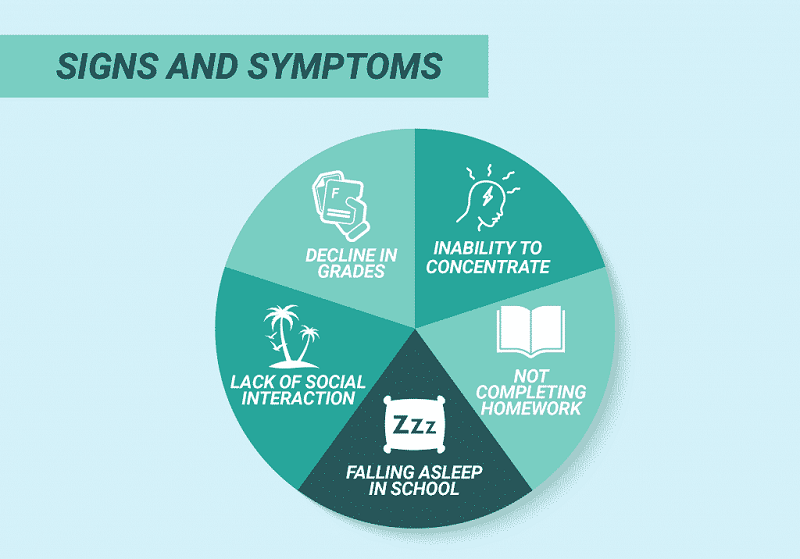
Like those affected by substance-related addictions, addicted computer gamers also show the typical signs of an addiction.

Strong demand

Computer game addicts feel an almost irresistible urge to sit down at the computer and play. This can go so far that not only tasks and social contacts, but even basic needs such as sleeping, eating, and drinking are neglected.

Loss of control

Once people with addiction to computer games sit in front of their computers, there is no stopping them. Even if you make a firm commitment to play for a limited time only, you cannot stick to it and play hour after hour.

Inability to abstain

If those affected recognize that they have a problem or if there is pressure from their environment, they often try to restrict their play. Most of the time they fail, or only last for a short time.

Withdrawal symptoms

Computer game addicts do not get physical withdrawal symptoms as in substance addiction. However, they get anxious, depressed, or nervous if not allowed to play for any reason.

Tolerance Formation

Another thing common in people with addiction is tolerance formation: The brain becomes dull over time, so the quantity of whatever drug the person is taking needs to be increased to get the desired “kick” again. When applied to the gaming addiction, this means longer and longer playtime, or that the kick is only triggered by reaching a higher game level.

Continuing the behavior even when faced with negative ramifications

Like any other addiction, addicted gamers can’t restrict or give up their behavior, even if they face massive consequences such as job loss, separation from their partner, Or huge financial loss due to spending all their money on games, or even at times on virtual items in game like skins, gold or nhl coins, items which have zero real world value.

Stealth

Although secrecy is not one of the six official addiction criteria, it is also typical of addictions. Those affected are aware that their behavior is questionable. Therefore, they try to hide the level of their computer game activity from others. Family members, friends, or even therapists are deceived about the actual number of hours spent in front of a computer.

Causes:

Over-activation of the reward center

Like all addictions, computer game addiction is based on the activation of the reward center in the brain. The reward center actually serves to reinforce behaviors that are good for us or that serve to preserve the species: food and sex, for example, but also praise, affection, and success.

Drugs and some activities cause large amounts of the neurotransmitter dopamine to be released, which strongly activates the reward center. In the case of computer game addiction, for example, it is the sense of achievement or the recognition by the other players. The player wants to experience the positive feeling that is generated when playing again and again.

In addition, negative feelings such as frustration, fear, and grief can be reduced while playing, which the player also experiences as a reward. This creates the so-called addiction memory: Everything that reminds the computer game addict of playing arouses the desire to play again.

Studies show that similar physiological processes take place in the brain of computer game addicts as under the influence of alcohol or drugs. The reward center of a computer game addict reacts to a screenshot of their favorite game in a similar way to an alcoholic’s to the sight of their favorite drink.

Disturbed emotional regulation

At the same time, the brain is particularly sensitized to the connection between computer games and reward. The awareness that other behaviors can also generate positive feelings or reduce negative ones is fading. The player literally forgets that there are other ways for him to regulate his emotions. The player perceives stimuli that are not related to the game as increasingly weaker.

Over-activation of the reward center

Like all addictions, computer game addiction is based on the activation of the reward center in the brain. The reward center actually serves to reinforce behaviors that are good for us or that serve to preserve the species: food and sex, for example, but also praise, affection, and success.

Drugs and some activities cause large amounts of the neurotransmitter dopamine to be released, which strongly activates the reward center. In the case of computer game addiction, for example, it is the sense of achievement or the recognition by the other players. The player wants to experience the positive feeling that is generated when playing again and again.

In addition, negative feelings such as frustration, fear, and grief can be reduced while playing, which the player also experiences as a reward. This creates the so-called addiction memory: Everything that reminds the computer game addict of playing arouses the desire to play again.

Studies show that similar physiological processes take place in the brain of computer game addicts as under the influence of alcohol or drugs. The reward center of a computer game addict reacts to a screenshot of their favorite game in a similar way to an alcoholic’s to the sight of their favorite drink.

Disturbed emotional regulation

At the same time, the brain is particularly sensitized to the connection between computer games and reward. The awareness that other behaviors can also generate positive feelings or reduce negative ones is fading. The player literally forgets that there are other ways for him to regulate his emotions. The player perceives stimuli that are not related to the game as increasingly weaker.

Treatment

Be it alcohol addiction, drug addiction, or nicotine addiction: With addictions, abstinence is usually the only sure way out of addiction. This also applies to addiction to computer games. As with all addictions, the goal of abstinence is initially a nightmare for the addict. A life without the addictive substance seems bleak or even impossible. This is difficult to understand for outsiders such as friends, partners, and parents.

Understanding illness is the first step

The first step towards healing is therefore the insight into the illness, the realization “I am sick, I need help”. Without professional support, it is usually not possible to get out of the addiction. In the course of therapy and as the cord becomes increasingly detached from the addictive substance, the person concerned increases the experience – I’m better without it.

Cognitive-behavioral therapy

Cognitive-behavioral therapy specially geared towards computer game addicts can effectively support the end of addiction. The focus of the therapy is initially to analyze the triggering and sustaining conditions. These can be internal stimuli such as thoughts and feelings, but also external stimuli. The focus is on developing answers to questions such as:

·        What triggers the desire for computer games in me? (e.g. stress, fears, the sight of a computer, etc.)

·        What needs does computer gaming meet for me? (e.g. reducing stress, driving away boredom, feeling successful, part of a team, etc.)

·        Which activities can replace computer games for me? (e.g. relaxation exercises, sports, meeting friends)

·        What improvements could a life without computer games bring? (e.g. more time for other activities and friends, better performance in school, training or job, more joy in life).

Therapeutic offers for computer game addicts usually consist of a combination of group and individual therapy. There is the option of outpatient treatment. In severe cases, however, inpatient treatment is usually necessary.

Pros and Cons of Matte Countertops

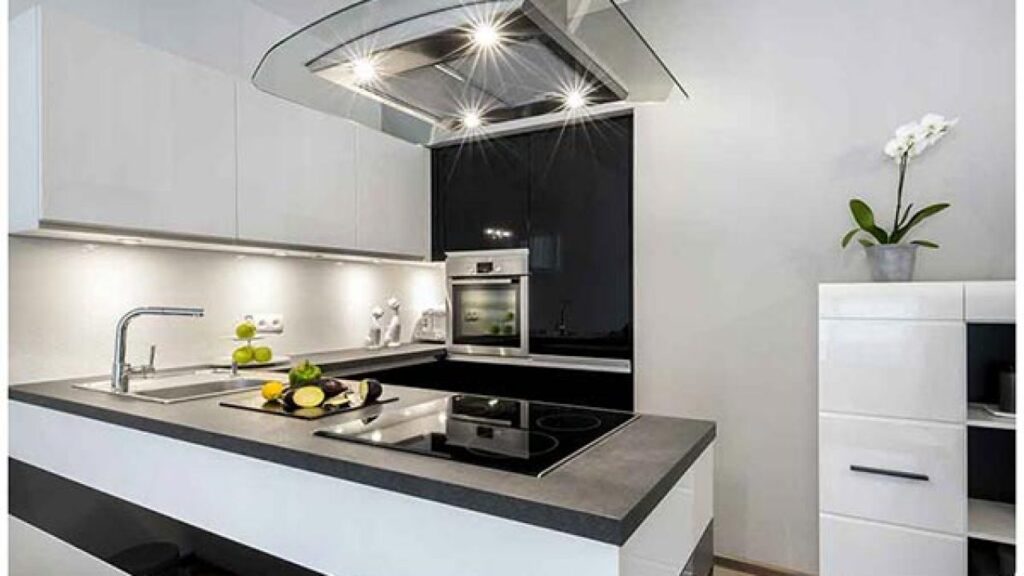
Matte countertops and cabinets are a good example of a trend that has taken the kitchen design world by storm – and has left many homeowners behind – wondering if a matte finish is really the best choice for their home. Again, a popular choice in 2021, cabinets with a matte finish continue to generate a lot of buzzes.

Before making final decisions on kitchen selections, it’s always a good idea to familiarize yourself with the “good, bad and ugly” of any trend. This way you will have all the information you need to make the best decision that fits your lifestyle, especially if you prefer a lighter kitchen in terms of cleaning and maintenance.

Pros of Matte countertops

1.            Branch

2.            Refinement

3.            Concealment of damages

4.            Create texture

Cons of Matte countertops

1.            Hides, but it does not prevent

2.            Illusion of space

3.            Ugly one

4.            More difficult to clean

Pros of matte countertops:

First, let’s start with the positives. Matte cabinets and counters have been around for a while, but they started making headlines around 2012. They are considered chic and ‘modern’. This is ironic as sheen and lustre are also the hallmarks of more contemporary or “modern” kitchens, so you can see how the “trending” factors are at play.

1.     Branch:

If you want your kitchen to be modern, you can’t go wrong with the mat. A matte countertops looks sophisticated and textured, which can provide a welcome contrast to the rest of the kitchen, especially if you have a lot of shiny or shiny design elements.

2.     Refinement:

Gloss is also very popular and kitchens with a lot require contrast – matte is a perfect choice. It adds some the elegant texture that overlays the design and allows the eyes to focus on several distinct areas.

3.     Concealment of damages:

Glossy finishes, in many ways opposed to matte ones, show stains, smudges, scratches and other messes very noticeably. For those who don’t want to deal with the kind of cleaning maintenance that often accompanies glossy products, matte is a great alternative. It is smooth and subtle, with a natural look that allows small imperfections to fade due to less reflected light than glossy finishes.

4.     Create texture

In a kitchen that has a lot of lustre and sheen, matte countertops on the countertops (called smooth) and cabinets can also be a way to add a little difference in texture. It produces a stunning and elegant look that adds a level of sophistication to the room.

Also read: Pros and Cons of Granite Sterling Countertops

Cons of matte countertops:

Now let’s move on to the less positive aspects. Matte finishes don’t reflect as much light and can work as  camouflage. So, the public story is that matte cabinet finishes hide more dust, grime, and kitchen stains in general than glossy or glossy finishes, which they do.

1.     Hides, but it does not prevent:

Finishing can’t prevent these types of problems, it just makes them less noticeable. As a kitchen remodelling company that sees the before-during-and-after of these finishes, we can attest to the fact that this is the case. It seems that greasy and oily footprints and animal spots appear. Also, they can be difficult to clean (see below).

2.     Illusion of space:

If you have a smaller kitchen, matte cabinets may not be the right choice for you. Since it absorbs light rather than reflecting it, it won’t make your space larger or larger. If that’s what you’re looking for, the mat may not be for you. You can try other options to enlarge your small space.

3.     Ugly one:

Finally, let’s get to the worst of the worst when it comes to matte finishes. Cleaning is always a task we would rather not waste our time on.

4.     More difficult to clean:

Continuing with the “bad” look, the initial stains, bumps and scratches may not appear at first but are more difficult to remove when they appear. Cleaning fingerprints or grease stains are difficult on dull surfaces as it is difficult to avoid leaving streaks or other traces. The matte finish may also appear to absorb the stain, making it difficult to remove completely.

Conclusion:

The bottom line is that you should have honest and realistic conversations with your kitchen design team to make sure you choose the finishes that suit your lifestyle and kitchen use. It maybe that a semi-gloss finish, which meets in the middle in terms of sheen, but is still easier to clean than a matte countertop is a safe middle ground.