

Buddies Buzz Blog

In the Buddies Buzz blog, you'll find the latest news about the community, tutorials, helpful resources, and much more! React to the news with the emotion stickers and have fun!

Why Trust Is So Important to Start a Relationship

Why Trust Is Important to Start a Relationship

Trust – The Real Heart of Relationships

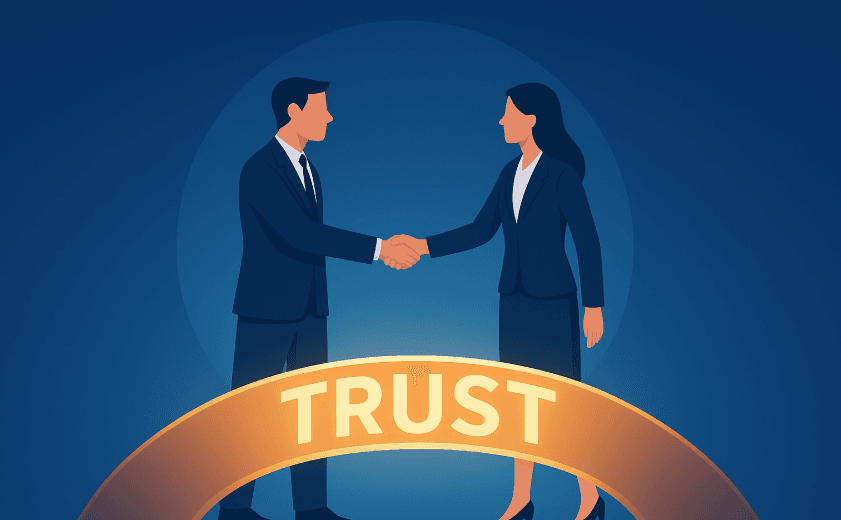
Why Trust Is Important to Start a Relationship ? When we think about relationships, words like love, chemistry, and compatibility often come first. But beneath all of that lies the one factor that determines whether a relationship can truly succeed: trust.

If you’ve ever asked yourself, “Why is trust so important to start a relationship?” the answer is simple: trust is the invisible foundation that holds everything else together. Without it, love feels unstable, communication breaks down, and insecurities take over.

Just like a tree cannot grow without strong roots, a relationship cannot survive without trust. In this blog, we’ll explore why trust matters so much, how it affects every stage of a relationship, the dangers of lacking it, and the practical ways to build it from the very beginning.


Why Trust Is Important to Start a Relationship

Why Trust Is Important to Start a Relationship

1. Trust Creates Emotional Safety

At the start of a relationship, both people are vulnerable. You’re opening your heart to someone new—sharing feelings, secrets, and dreams. Trust is what makes you feel safe to do that. When you know your partner won’t use your vulnerabilities against you, you relax and connect more deeply.

2. Trust Strengthens Communication

A relationship thrives on open, honest communication. But if trust is missing, every word is doubted, every promise questioned. Trust allows you to share your true thoughts without fear of judgment or betrayal. It turns conversations into connections rather than conflicts.

3. Trust Reduces Jealousy and Insecurities

New relationships often come with doubts. Without trust, jealousy takes over—leading to suspicion, phone-checking, or unnecessary fights. But when trust exists, insecurities fade. You don’t waste energy worrying about “what ifs” and instead enjoy the present moment.

4. Trust Builds Long-Term Stability

Every couple will face challenges—arguments, differences, or outside stress. Trust acts like glue, holding the relationship together during tough times. Without it, even small disagreements can feel like the end.

5. Trust Deepens Intimacy

True intimacy isn’t just physical—it’s emotional. Sharing your fears, flaws, and dreams requires trust. Without it, people wear masks and relationships remain shallow. With trust, partners bond on a soul-deep level.


Real-Life Examples: Trust in Action

  • Dating Stage: Imagine going on a date where the other person cancels last minute with excuses. Over time, these broken promises destroy trust. On the other hand, when someone consistently shows up as they say, trust builds naturally.
  • Marriage Stage: A married couple may face financial struggles. If trust is strong, they work as a team. If trust is weak, suspicion grows—“Are they hiding money?” or “Do they really care?”
  • Workplace Relationships: Even in professional relationships, trust matters. A boss who keeps promises earns loyalty. A boss who breaks trust loses respect.

These examples show that trust isn’t abstract—it affects real behavior, decisions, and outcomes.


What Happens When Trust Is Missing

If you’re still asking yourself why trust is important to start a relationship, think about what happens when it’s not there:

  • Suspicion takes over: Every late reply or missed call feels like betrayal.
  • Constant fights: Small issues blow up into big arguments.
  • Emotional walls: Both partners stop sharing their true selves.
  • Toxic behaviors: Control, manipulation, or dishonesty replace love.
  • Breakups: Without trust, relationships collapse—sometimes slowly, sometimes suddenly.

In short, a lack of trust creates a relationship filled with fear instead of love.


How to Build Trust from the Beginning

Starting a relationship is like planting a seed. For it to grow, you need to nurture trust. Here’s how:

1. Be Honest, Even About Small Things

If you’re late, say so. If you’re not ready for commitment, be upfront. Small lies damage trust faster than big ones.

2. Keep Your Promises

Consistency is key. When you do what you say, your partner learns they can rely on you.

3. Show Respect for Boundaries

Trust isn’t about control—it’s about freedom. Respect personal space, time, and individuality.

4. Communicate Clearly

Share your feelings openly. Misunderstandings grow when people hide emotions.

5. Be Patient

Trust isn’t built overnight. It grows through repeated actions, consistency, and reliability.


Why Trust Is More Important Than Love

Some people argue that love is enough to hold a relationship together. But the truth is: love without trust is unstable. You can love someone deeply but still feel insecure, doubtful, or unsafe if trust isn’t there.

On the other hand, trust can sometimes exist without strong love—like in friendships or work relationships. This shows that trust is the stronger foundation. Love may spark a relationship, but trust keeps it alive.


Practical Ways to Test and Build Trust Early

  • Observe consistency: Do their actions match their words?
  • Watch how they treat others: Respect for others is a good sign they’ll respect you.
  • Check for transparency: Are they open about their past, goals, and feelings?
  • Pay attention to small promises: If they can’t keep small commitments, bigger ones may be a problem.

Trust isn’t about blind faith—it’s about watching patterns and building confidence in someone’s character.


Beyond Romance: Why Trust is Important in All Relationships

Trust isn’t only for couples. It plays a huge role in every type of connection:

  • Friendships: Friends share secrets and support each other because of trust.
  • Family: Families rely on trust for loyalty and unity.
  • Work: Colleagues and leaders need trust to build teamwork and success.

This proves that trust isn’t just important—it’s universal.


FAQ: Why Trust Is Important to Start a Relationship

Q1: Can a relationship survive without trust?

No. A relationship without trust is filled with doubts, arguments, and eventually ends.

Q2: How long does it take to build trust?

It varies by person. Trust builds over time through consistency and honesty.

Q3: Can broken trust be repaired?

Yes, but it requires effort, accountability, and patience from both sides.

Q4: Is trust more important than love?

Yes. Love without trust is fragile. Trust provides stability where love can grow.

Q5: What are the signs someone can’t be trusted?

Inconsistency, secrecy, broken promises, and manipulative behavior are major red flags.


Final Thoughts: Build Trust Before Anything Else

If you’re starting a new relationship, don’t rush into passion or romance without laying the foundation of trust. Ask yourself not only if you love the person, but also if you trust them.

Because when trust is there, everything else—love, respect, intimacy—has space to grow. Without it, even the strongest attraction will fade.

So the next time you wonder why trust is important to start a relationship, remember this: trust is the root, love is the flower. Without the root, the flower cannot survive.

Why Most Salespeople Avoid Researching Clients and How It Hurts Their Success

why-salespeople-avoid-client-research

Sales is more than just sending a company profile or a product catalog. Yet, many salespeople fall into the trap of working in copy-paste mode—forwarding generic information to every potential client without putting in the effort to understand them.

The truth is simple: if a salesperson doesn’t research the client’s business, current products, market share, and industry position, they cannot add real value. In today’s competitive market, where buyers are more informed than ever, skipping research and relationship building is one of the biggest reasons sales fail.


Why Most Salespeople Don’t Research Clients

Despite the importance of preparation, many salespeople still ignore research. Here’s why:

1. Comfort Zone Selling

Many salespeople rely on templates, catalogues, and presentations because it feels safe. It takes less effort than analyzing the client’s industry or finding gaps where your product can fit.

2. Pressure to Meet Targets

Sales teams often chase monthly targets instead of building long-term relationships. This pressure leads to quick fixes: blast emails, cold calls, and copy-paste replies. In the rush to hit numbers, research feels like a luxury.

3. Lack of Training

Not every salesperson is trained to analyze businesses or study markets. Without guidance on how to evaluate client presence, competitor performance, or market reputation, they stick to what they know—sending a company profile.

4. Fear of Extra Effort Without Guarantee

Research requires time and energy, but many salespeople fear it may not directly convert into sales. This mindset makes them skip the groundwork, even though it would increase success rates in the long run.


The Missed Opportunity: Adding Value to Clients

A salesperson’s role should go beyond selling a product. It should be about helping clients grow their business. When salespeople fail to research, they miss the chance to:

  • Identify gaps in the client’s current product line.
  • Suggest solutions that beat competitors.
  • Guide clients with insights that improve their market presence.
  • Position themselves as trusted advisors, not just sellers.

For example, imagine pitching solar inverters to a renewable energy company. A copy-paste salesperson would just share a catalogue. A researched salesperson, however, would analyze the company’s projects, find inefficiencies in their current setup, and recommend how switching could improve efficiency and ROI.


Why Salespeople Avoid Relationship Building

Beyond research, another big issue is the reluctance to build long-term client relationships. Here’s why many don’t invest in this area:

  • Short-term mindset: Focused only on closing deals, not nurturing trust.
  • Over-reliance on digital tools: Believing WhatsApp messages and email attachments replace personal connection.
  • Fear of rejection: Many avoid deeper conversations with clients, thinking they’ll be seen as “pushy.”
  • Inadequate coaching: Without mentorship, salespeople never learn the art of building rapport.

The Cost of Copy-Paste Sales

When salespeople stick to catalogues and company profiles instead of research and relationship building, businesses lose out:

  • Clients feel undervalued. No one wants to be just another email in the inbox.
  • Deals take longer. Without personalized solutions, the client has no reason to choose you.
  • Weaker reputation. Word spreads fast—if your salespeople are seen as lazy, your brand image suffers.
  • Competitors win. Clients prefer partners who understand and support their growth.

How Salespeople Can Add Real Value

Instead of being just another “seller,” a good salesperson should strive to become a business partner. Here’s how:

  1. Do your homework: Research the client’s business presence, product line, and competitors.
  2. Ask the right questions: Show genuine interest in the client’s goals and challenges.
  3. Share insights, not just brochures: Provide market intelligence, trends, and ways they can grow.
  4. Customize your pitch: Align your solutions with their exact needs.
  5. Build trust: Stay consistent, follow up sincerely, and aim for long-term partnerships.

Conclusion

Sales is no longer about who can send the fastest email or share the thickest catalogue. In today’s competitive landscape, clients want partners who understand their business and guide them to success.

When salespeople skip research and avoid relationship building, they lose opportunities, damage trust, and hand over business to competitors. But those who take the time to study their clients, add value, and nurture genuine relationships don’t just close sales—they build lasting partnerships.


👉 Final Thought: A catalogue might open the door, but research, insight, and relationships will keep it open for years to come.

The Comfort Zone: Safe Haven or Silent Dream Killer?

comfort zone

“The comfort zone feels safe, but it slowly buries your potential alive.”

The Comfort Zone: It’s a truth many of us sense but rarely confront. We cling to what’s familiar: routines, jobs, relationships — even if they don’t make us happy. Why? Because they’re safe. They don’t threaten us with uncertainty, risk, or failure. But over time, this “safety” becomes a trap — one that silently kills our dreams.


What Is the Comfort Zone?

Your comfort zone is a mental state where activities and behaviors fit a routine pattern. It provides a sense of control, minimal stress, and low risk. Sounds good, right?

But here’s the catch: nothing grows in the comfort zone.

It may protect you from anxiety in the short term, but in the long run, it stifles your ambition, creativity, and drive.


The Hidden Cost of Staying Comfortable

Every time you stay silent when you want to speak up…
Every time you delay your passion project…
Every time you say “maybe next year”…

You’re not just avoiding discomfort — you’re burying potential.

Let’s break down the hidden costs:

1. Missed Opportunities

Life doesn’t wait. That job application you didn’t send, the idea you didn’t pitch, the move you didn’t make — they all add up to a life half-lived.

2. Stagnant Growth

Comfort leads to stagnation. You stop learning, stop evolving, and eventually, your skills and mindset fall behind.

3. Unfulfilled Dreams

You might still “function” in your comfort zone — but fulfillment? That only lives beyond it.


Why We Stay: The Psychology Behind It

Our brains are wired for certainty. The unknown triggers fear — of failure, of judgment, of rejection. So we stay put.

This fear response, called the amygdala hijack, shuts down rational thinking and causes you to choose safety over opportunity.

But fear isn’t the enemy. It’s a signal. It tells you there’s something worth chasing on the other side.


How to Break Free (Without Overwhelming Yourself)

Stepping out doesn’t mean jumping off a cliff. It means expanding your comfort zone bit by bit.

1. Start Small

  • Speak up in a meeting.
  • Take a new route home.
  • Learn a new skill for 10 minutes a day.

2. Shift Your Mindset

Instead of asking “What if I fail?”, ask “What if I never try?”
Failure is data — success is a process.

3. Embrace Discomfort as Growth

Discomfort means you’re growing. If it feels scary, you’re probably heading in the right direction.

4. Visualize the End Goal

Keep your dreams vivid. Picture the life you want. Let that be stronger than your fear of leaving where you are.


A Simple Question to Ask Yourself

“Am I holding back… or moving forward?”

Every decision you make either reinforces your comfort zone or expands it. You choose, every day.


Final Thoughts: Stop Holding Yourself Back

You weren’t born to just survive. You were born to live — fully, passionately, and purposefully.

Your dreams are on the other side of fear.
Your growth is on the edge of discomfort.
And your potential? It’s waiting — but it won’t wait forever.

Don’t let your comfort zone become your coffin.

👉 What’s one small thing you can do today to step outside your comfort zone?
Share it in the comments — let’s grow together.