

Buddies Buzz Blog

In the Buddies Buzz blog, you'll find the latest news about the community, tutorials, helpful resources, and much more! React to the news with the emotion stickers and have fun!

The Dawn of a New Era: Unveiling the Power of Semi-Solid Lithium Batteries

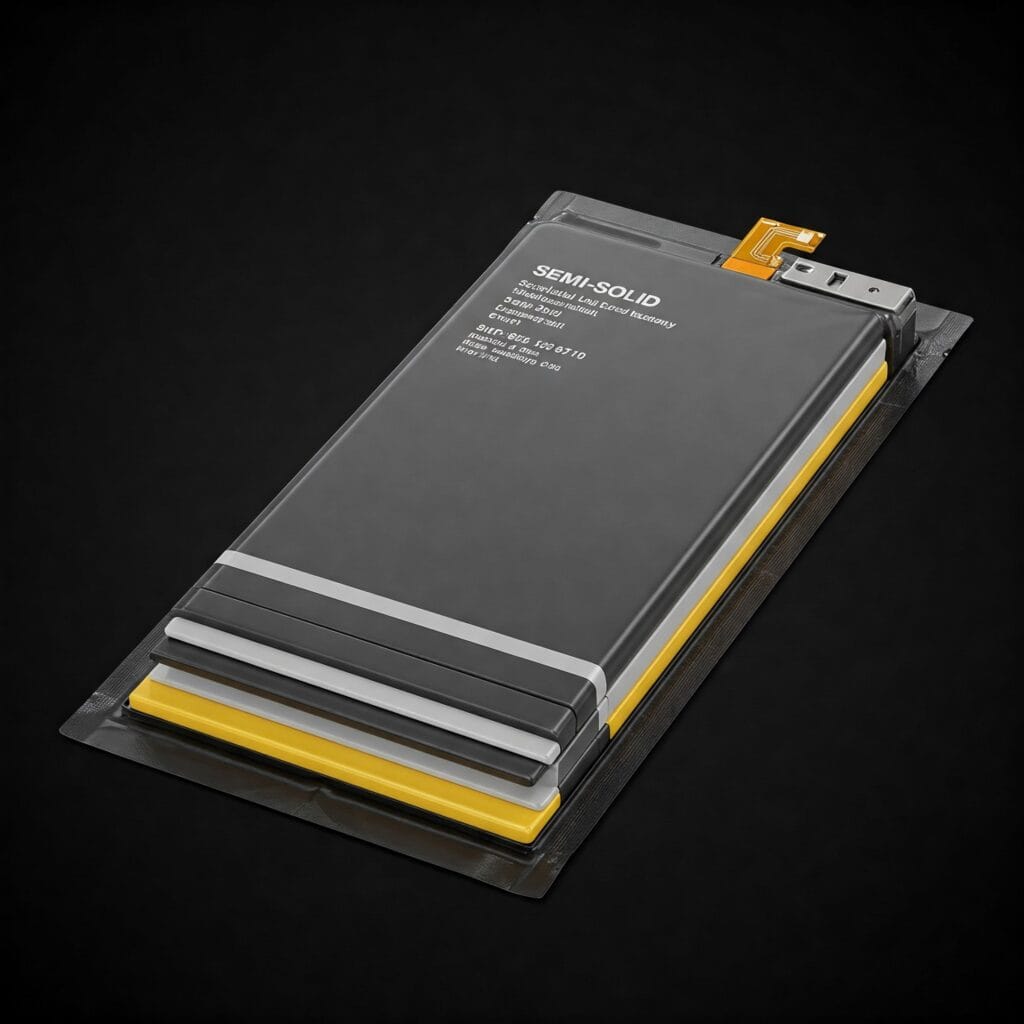
Semi-Solid Lithium Batteries

The relentless pursuit of energy storage solutions has propelled us into a fascinating era of innovation. As we grapple with the limitations of traditional lithium-ion batteries, a groundbreaking technology is emerging: the semi-solid lithium batteries. This revolutionary advancement promises to redefine the landscape of energy storage, offering enhanced safety, increased energy density, and a pathway to a more sustainable future.

But what exactly is a semi-solid lithium battery? How does it differ from its liquid-electrolyte predecessors? And what are the implications of this technology for our energy-hungry world? Let’s delve into the intricacies of this fascinating innovation.

What is a Semi-Solid Lithium Battery?

nstead of the familiar liquids or gels, semi-solid state batteries utilize a unique semi-solid electrolyte. This innovative approach, combining solid conductive materials with a liquid electrolyte, delivers tangible improvements over conventional lithium-ion designs, offering enhanced performance and reliability.

Understanding the Core: Bridging Liquid and Solid

To grasp the essence of semi-solid batteries, we must first understand the fundamental components of a traditional lithium-ion battery. These batteries rely on a liquid electrolyte, a conductive medium that facilitates the movement of lithium ions between the anode and cathode. However, this liquid electrolyte is also a source of vulnerability, prone to leakage and flammability, which can lead to catastrophic thermal runaway.

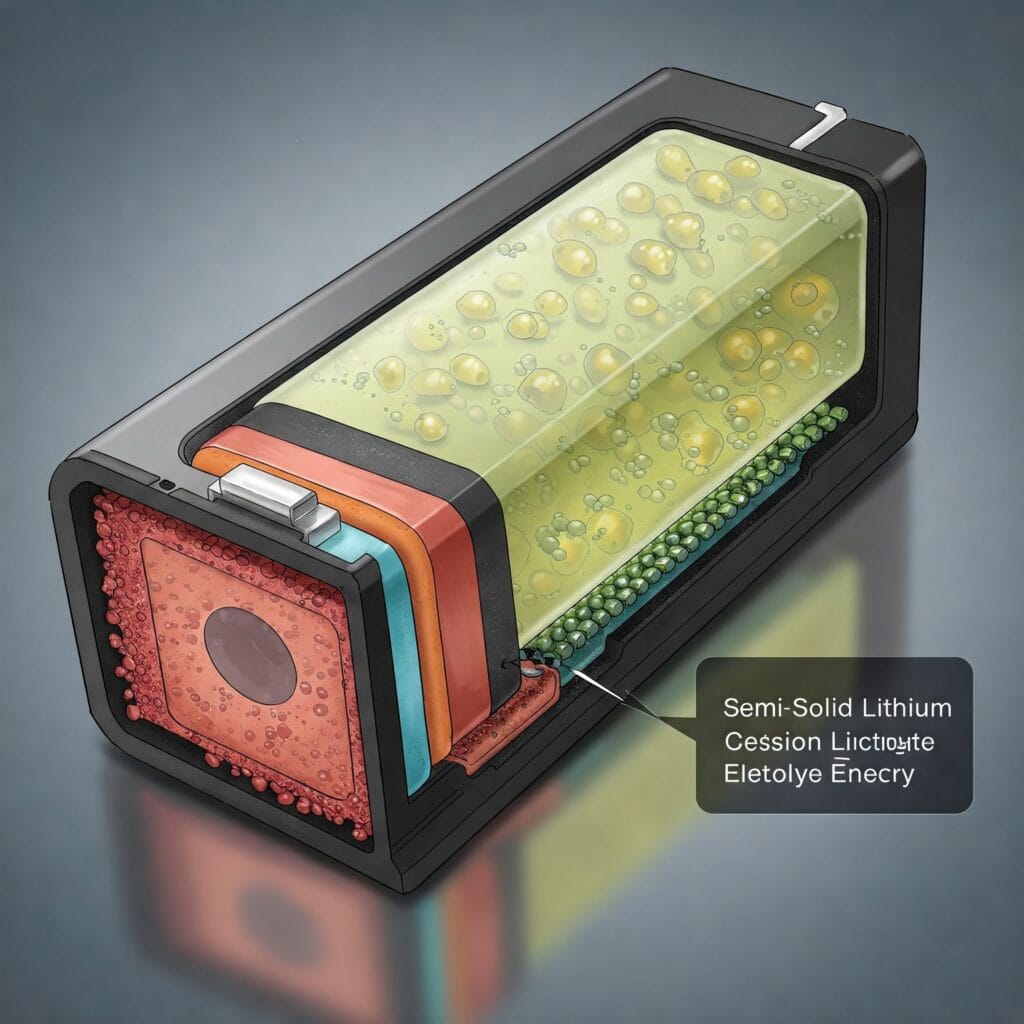
Semi-solid batteries, as the name suggests, bridge the gap between liquid and solid-state batteries. They replace a significant portion of the liquid electrolyte with a gel polymer electrolyte, a semi-solid material that possesses the ionic conductivity of a liquid but the structural stability of a solid. This gel electrolyte acts as a robust scaffold, enhancing safety and enabling the use of high-capacity electrode materials.

Semi-Solid Lithium Batteries

Key Advantages: A Leap Forward in Performance and Safety

The integration of a semi-solid electrolyte unlocks a plethora of advantages:

  • Enhanced Safety: The gel electrolyte significantly reduces the risk of leakage and thermal runaway. Its inherent stability mitigates the formation of dendrites, microscopic lithium structures that can pierce the separator and cause short circuits. This enhanced safety profile is paramount for applications where safety is non-negotiable, such as electric vehicles and aerospace.
  • Increased Energy Density: Semi-solid batteries enable the use of high-capacity electrode materials, such as silicon anodes and lithium metal, which offer significantly higher energy densities than traditional graphite anodes. This translates to longer driving ranges for electric vehicles, extended operating times for portable devices, and greater energy storage capacity for grid-scale applications.
  • Improved Cycle Life: The robust structure of the gel electrolyte minimizes electrode degradation and enhances the overall cycle life of the battery. This translates to a longer lifespan and reduced replacement costs.
  • Wider Operating Temperature Range: Semi-solid electrolytes exhibit greater stability across a wider temperature range, making them suitable for extreme environments.
  • Flexibility in Design: The semi-solid nature of the electrolyte allows for more flexible battery designs, enabling the creation of thinner, lighter, and more adaptable energy storage solutions.

Addressing Key Questions: Demystifying the Technology

Let’s address some common questions surrounding semi-solid lithium batteries:

Can semi-solid batteries achieve the same energy density as solid-state batteries?

While solid-state batteries hold the theoretical promise of even higher energy densities, semi-solid batteries offer a more immediate and practical pathway to significant improvements. They bridge the gap between current liquid-electrolyte batteries and future solid-state technologies, providing a substantial boost in energy density while maintaining manufacturability.

How does a semi-solid electrolyte enhance safety compared to a liquid electrolyte?

The gel polymer electrolyte acts as a physical barrier, preventing the rapid flow of liquid in case of damage. It also suppresses the formation of lithium dendrites, which are a major cause of short circuits. Moreover, the gel electrolyte is less flammable than liquid electrolytes, reducing the risk of thermal runaway.

What are the primary applications of semi-solid lithium batteries?

  • Electric Vehicles (EVs): Longer driving ranges, faster charging times, and enhanced safety are crucial for the widespread adoption of EVs. Semi-solid batteries are poised to revolutionize the EV industry.
  • Consumer Electronics: Smartphones, laptops, and other portable devices can benefit from increased battery life and improved safety.
  • Grid-Scale Energy Storage: Semi-solid batteries can play a vital role in storing renewable energy, ensuring a stable and reliable power grid.
  • Aerospace and Defense: The high energy density and safety of semi-solid batteries make them ideal for demanding applications in UAV (Drones), aerospace and defense.
  • Medical Devices: Implantable medical devices require safe and reliable power sources, making semi-solid batteries a promising solution.

The Power of Semi-Solid Lithium Batteries Usage: Transforming Industries and Lives

The impact of semi-solid lithium batteries will reverberate across numerous industries, transforming the way we power our world.

  • Electric Vehicles: Imagine electric vehicles with driving ranges comparable to gasoline-powered cars, eliminating range anxiety and accelerating the transition to sustainable transportation.
  • Renewable Energy Integration: Semi-solid batteries will enable the efficient storage of solar and wind energy, ensuring a stable and reliable supply of clean power.
  • Portable Electronics: Our smartphones, laptops, and other devices will enjoy extended battery life, freeing us from the constant need to recharge.
  • Medical Advancements: Implantable medical devices will become more reliable and long-lasting, improving the quality of life for patients.

The Importanceof Semi-Solid Lithium Batteries: A Catalyst for a Sustainable Future

The development of semi-solid lithium batteries is not merely a technological advancement; it’s a crucial step towards a sustainable future.

  • Reducing Carbon Emissions: By enabling the widespread adoption of electric vehicles and renewable energy, semi-solid batteries will play a pivotal role in reducing greenhouse gas emissions and mitigating climate change.
  • Enhancing Energy Independence: By diversifying our energy storage options, we can reduce our reliance on fossil fuels and enhance energy independence.
  • Driving Economic Growth: The development and manufacturing of semi-solid batteries will create new jobs and stimulate economic growth.
  • Improving Safety and Reliability: Enhanced safety and reliability will make energy storage solutions more accessible and trustworthy.

The Road Ahead: Overcoming Challenges and Embracing Innovation

While the potential of semi-solid lithium batteries is immense, challenges remain. Cost reduction, scalability, and long-term stability are key areas of focus for ongoing research and development.

However, the rapid pace of innovation in battery technology suggests that these challenges will be overcome in the near future. As we continue to push the boundaries of materials science and engineering, semi-solid lithium batteries are poised to become a cornerstone of our energy landscape.

In conclusion, semi-solid lithium batteries represent a significant leap forward in energy storage technology. Their enhanced safety, increased energy density, and improved cycle life make them a compelling solution for a wide range of applications. As we embrace this transformative technology, we are paving the way for a cleaner, more sustainable, and more powerful future. The age of semi-solid batteries is dawning, and its potential is nothing short of revolutionary.

Unlock India’s Energy Market: Hire a Company Representative for Strategic Growth

Company Representative

India’s energy landscape is undergoing a dramatic transformation, driven by ambitious government targets, declining renewable energy costs, and a rapidly growing economy. The nation’s commitment to clean energy is not just a trend; it’s a revolution, creating a fertile ground for businesses in the solar, wind, electric vehicle, and energy storage sectors. However, navigating this complex and dynamic market requires local expertise and strategic partnerships. This is where a company representative in India becomes an invaluable asset, acting as your bridge to success.

India’s Booming Energy Sector: A Quick Overview of Untapped Potential

India’s energy sector is experiencing unprecedented growth, fueled by a confluence of factors. The government’s ambitious goal of achieving 500 GW of non-fossil fuel energy capacity by 2030 underscores its commitment to a sustainable future. The decreasing cost of renewable energy technologies, particularly solar and wind, has made them increasingly competitive with traditional fossil fuels. Coupled with a burgeoning population and a rapidly expanding economy, the demand for energy is soaring, creating a massive market for innovative solutions. Furthermore, a growing awareness of climate change and environmental degradation is driving consumer and business demand for clean energy alternatives.

This convergence of factors has created a dynamic and rapidly evolving market ripe with opportunities. From solar panel manufacturing and wind turbine installation to electric vehicle charging infrastructure and advanced energy storage solutions, the possibilities are endless. But to capitalize on these opportunities, businesses need a strategic approach and a deep understanding of the local market.

Why a “Company Representative in India” is Essential: Your Local Advantage

Entering the Indian market without local expertise is akin to navigating a maze blindfolded. A company representative in India acts as your eyes and ears on the ground, providing invaluable insights and facilitating seamless market entry.

  • Local Knowledge and Expertise: India’s diverse cultural landscape, intricate regulatory framework, and unique business practices can be daunting for foreign companies. A local representative possesses in-depth knowledge of the market, including industry trends, customer preferences, and competitive dynamics. This knowledge is crucial for developing effective market entry strategies and avoiding costly missteps.
  • Network Access and Relationship Building: In India, relationships are paramount. A local representative has established connections with key stakeholders, including potential customers, distributors, government officials, and industry associations. This network provides access to valuable opportunities and facilitates smoother business transactions.
  • Cultural Bridge and Communication: Understanding and navigating Indian business etiquette is essential for building trust and fostering strong relationships. A local representative acts as a cultural bridge, ensuring effective communication and avoiding cultural faux pas.
  • Efficient Logistics and Operational Support: Setting up operations in a new market can be logistically challenging. A local representative can provide essential support in areas such as arranging meetings, coordinating exhibitions, managing local operations, and ensuring compliance with local regulations.
  • Cost-Effective Market Entry: Establishing a full-fledged office in India can be a significant investment. Engaging a local representative offers a cost-effective alternative, particularly during the initial stages of market entry. This allows businesses to test the market and build a presence without incurring substantial overhead costs.

Key Roles of Your India Representative: Driving Business Growth

A skilled company representative in India plays a multifaceted role, driving business growth and ensuring successful market penetration.

  • Business Development and Lead Generation: Identifying and pursuing new business opportunities, building relationships with potential customers, and generating qualified leads.
  • Sales and Marketing: Promoting your products and services, conducting presentations and demonstrations, and closing deals.
  • Client Relationship Management: Providing ongoing support to customers, addressing their inquiries and concerns, and ensuring customer satisfaction.
  • Exhibition Presence and Networking: Representing your company at industry exhibitions, showcasing your products and services, and generating leads.
  • Market Intelligence and Competitive Analysis: Providing regular updates on market trends, competitor activities, and regulatory changes.
  • Organizing and Attending Client Meetings: Arranging and participating in meetings with potential and existing clients, presenting your company’s capabilities and building strong relationships.

Finding the Right “Company Representative in India”: A Strategic Partnership

Selecting the right company representative in India is crucial for success. Here are some key considerations:

  • Industry Expertise and Experience: Look for a representative with a proven track record in the new energy sector and a deep understanding of the Indian market.
  • Strong Network and Connections: Evaluate their network and relationships with key stakeholders in your target market.
  • Excellent Communication and Negotiation Skills: Ensure they possess strong communication and negotiation skills to effectively represent your company.
  • Cultural Sensitivity and Understanding: Choose a representative who understands and respects Indian business culture.
  • Integrity and Trustworthiness: Select a representative who is trustworthy, reliable, and committed to representing your company’s interests.

Market Opportunities: Where to Focus Your Efforts

India’s new energy market offers a plethora of opportunities across various sectors.

  • Solar Power: Manufacturing, installation, rooftop solutions, and project development.
  • Wind Energy: Turbine manufacturing, wind farm development, and maintenance services.
  • Energy Storage: Battery storage, grid-scale storage, and innovative storage technologies.
  • Electric Vehicles (EVs): EV manufacturing, charging infrastructure, and battery technology.
  • Green Hydrogen: Production, storage, and transportation of green hydrogen.
  • Smart Grids: Grid automation, demand-side management, and energy efficiency solutions.

Setting Up: Office vs. Company Representative: A Strategic Decision

Choosing between establishing a full-fledged office and engaging a local representative depends on your business goals and resources.

  • Office: Requires significant investment, long-term commitment, and extensive operational setup.
  • Representative: Offers a flexible, cost-effective, and agile approach to market entry.

For many businesses, starting with a company representative in India is a strategic and prudent approach.

Legal & Regulatory Considerations: Navigating the Landscape

Navigating India’s legal and regulatory landscape requires careful attention to detail.

  • Compliance: Ensure compliance with all applicable laws and regulations, including company registration, tax laws, and environmental regulations.
  • Partnerships: Leverage local expertise by partnering with established Indian companies.
  • Investment: Understand and navigate the regulations related to foreign investment.

India’s Energy Exhibitions: Maximizing Your Presence

Industry exhibitions provide a valuable platform for showcasing your products and services and generating leads. Having a company representative in India present at these events allows your company to have an active presence without having a full office.

Conclusion: Secure Your India Footprint and Drive Sustainable Growth

India’s new energy market is a dynamic and rapidly growing sector, offering immense opportunities for businesses with the vision and determination to succeed. By engaging a skilled company representative in India, you can gain a competitive edge, navigate the complexities of the market, and secure a strong foothold in this burgeoning industry. Don’t miss out on this transformative opportunity to contribute to India’s sustainable energy future.

Why You Should Avoid Salespeople Who Say “If You Need Anything, Please Contact Me”

proactive selling

Why Proactive Selling Matters? In today’s fast-moving business environment, customers expect more than just polite service—they expect meaningful engagement and problem-solving. That’s why proactive selling has become a vital skill for any successful salesperson.

Yet, far too often, sales conversations end with a vague, unhelpful phrase:
“If you need anything, feel free to contact me.”

At first glance, it might seem courteous or professional. But in reality, this phrase often signals a lack of initiative, poor preparation, and no real sales strategy. Let’s break down why this kind of passive selling is a red flag—and why true professionals embrace proactive selling instead.


1. They Wait Instead of Solving Problems

True sales professionals don’t sit back and wait for you to identify your own problems. They take the lead in uncovering pain points and presenting solutions without being asked.

Passive approach: “Let me know if you need anything.
Proactive approach: “I noticed your procurement cycle is tightening—here are three supply chain options that can help.”

In proactive selling, the salesperson adds immediate value by anticipating your needs.


2. They Add No Real Value to the Conversation

Sales isn’t about being available—it’s about being valuable.

If a salesperson doesn’t offer insights, ideas, or tailored recommendations during your conversation, they’re wasting your time. A great sales interaction should leave you thinking:

  • “That’s a perspective I hadn’t considered.”
  • “This could genuinely improve our workflow.”

Proactive selling is about making every interaction useful—not forgettable.


3. They Hide Behind Politeness

Saying “If you need anything…” may sound respectful, but often it’s a mask for:

This isn’t selling—it’s playing it safe. Proactive sellers, on the other hand, are respectful and assertive. They engage, suggest, and lead with purpose.


4. It Signals Poor Research and Preparation

A salesperson who genuinely understands your market won’t need to ask for permission to help—they’ll already be showing you how.

“If you need anything…” = I didn’t study your business.
Proactive selling = “I reviewed your last product launch and noticed an opportunity for improvement.”

Great salespeople walk into meetings armed with ideas, data, and industry insights.


5. They Put the Burden on You

You’re already managing tight deadlines, budgets, and multiple vendors. The last thing you need is a salesperson who waits for instructions.

What you really need is a partner who:

  • Shares updates before you ask
  • Flags potential delays or supply issues
  • Recommends cost-saving alternatives
  • Suggests product innovations
  • Provides competitor insights

Proactive selling means making your life easier—not harder.


6. There’s No Ownership or Follow-Up

Sales doesn’t end after the deal is closed. That’s when trust and delivery really matter.

Salespeople who use phrases like “Reach out if needed” are unlikely to follow up on their own. And if they’re passive before the sale, they’ll likely be unavailable when problems arise afterward.

A real partner takes ownership—before, during, and after the sale.


7. It Shows a Lack of Commitment

That one sentence—“Let me know if you need anything”—can speak volumes. It often means:

  • They didn’t care enough to prepare
  • They’re not motivated to follow up
  • They’re hoping you will drive the relationship

Proactive selling requires commitment. Great salespeople don’t wait to be asked—they look for ways to help from Day 1.


8. They’re Not Selling—They’re Just Passing Messages

Sales is not about forwarding emails or handing over catalogs. A real salesperson does much more:

  • Asks smart questions
  • Listens actively to your goals
  • Gives customized advice
  • Solves challenges before they become problems

“If you need anything…” is what a receptionist says—not a trusted business advisor.


9. You Deserve a Sales Partner, Not a Placeholder

Your business, your time, and your reputation matter. You should expect a sales experience that delivers:

  • Insightful communication
  • Timely support
  • Strategic thinking
  • Ongoing value

A passive salesperson who waits to be contacted isn’t a partner—they’re a placeholder. And in business, placeholders can cost you opportunities.


10. Great Salespeople Are Always a Step Ahead

Top-tier sales professionals don’t wait for your call. They’re already thinking about how to support you better—even when you’re not buying.

They:

  • Follow up consistently
  • Share market updates or supply changes
  • Offer guidance when new challenges arise
  • Find ways to optimize costs or operations
  • Build trust through proactive selling

They’re one step ahead, not one step behind.


Final Thoughts: Value Over Presence

In today’s noisy and competitive market, silence is not a strategy.

Salespeople who say, “If you need anything, contact me” are not being helpful—they’re avoiding responsibility. They’re relying on presence instead of value.

Before choosing to work with a salesperson, ask yourself:

  • Did they offer something insightful during the conversation?
  • Will they follow up proactively after the sale?
  • Can they be trusted to understand and support my business?

If the answer is no, walk away.

Because in business, you don’t need someone who’s simply available—you need someone who’s valuable. Choose proactive selling every time.


FAQs About Proactive Selling

Q1: What should a good salesperson say instead of “If you need anything, contact me”?
A: A professional should offer something specific:
“Would you like a detailed comparison report?” or
“I saw your recent announcement—can I show you a solution that aligns with your goals?”


Q2: Why is proactive selling important?
A: Proactive selling leads to better relationships, faster solutions, and stronger trust. It saves time, reduces risk, and keeps your projects moving forward.


Q3: Can passive salespeople become proactive?
A: Absolutely—through training, mentorship, and a mindset shift. Success starts when sales professionals focus on creating value, not just being present.