Travel

Chengdu: Where Pandas Roam and Spice Rules the Soul

Chengdu

Welcome to Chengdu — a city where pandas nap, chilies reign, and the pace of life slows down just enough for you to soak in its charm. As the capital of Sichuan Province, Chengdu is not just a travel destination — it’s a sensory experience. From spicy food that makes your lips tingle to bamboo forests where pandas munch lazily, Chengdu is the ultimate mix of tradition, nature, and urban cool.


Why is Chengdu Famous?

1. Giant Pandas

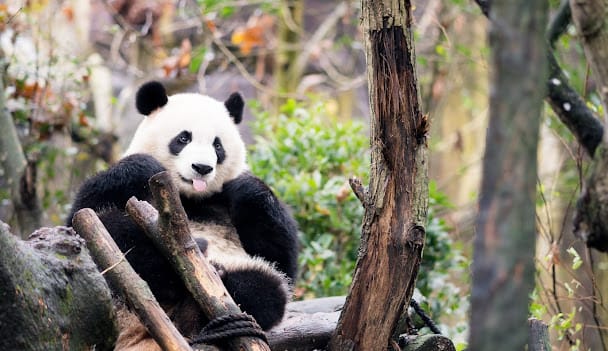
Chengdu is the world’s panda capital, home to the largest panda breeding research base. It’s your best chance to see these national treasures up close.

2. Sichuan Cuisine

Chengdu is the birthplace of Sichuan food, known for its fiery spices and tongue-tingling Sichuan peppercorns. It was named a UNESCO City of Gastronomy for good reason.

3. Laid-back Lifestyle

Locals love tea houses, Mahjong, and long lunches. Chengdu has been called the “City That Knows How to Enjoy Life”.

4. Cultural Richness

From ancient Shu civilization relics to Taoist temples and folk performances, Chengdu’s culture is deep and diverse.

5. Gateway to Western China

Chengdu is the springboard to Tibetan regions, Jiuzhaigou, and Mount Emei, making it a strategic base for explorers.


How to Reach Chengdu

1. By Air

  • Chengdu Tianfu International Airport (TFU) and Shuangliu International Airport (CTU) connect the city to major domestic and global destinations.
  • Taxis, metro lines, and airport buses ensure easy transit into the city.

2. By High-Speed Train

  • Chengdu East and South Railway Stations serve fast trains from cities like Xi’an, Chongqing, Kunming, Beijing, and Shanghai.

3. By Road

  • Well-connected via highways and long-distance bus services to nearby provinces and tourist spots.

Top Places to Visit in Chengdu

1. Chengdu Research Base of Giant Panda Breeding

  • The highlight of any visit to Chengdu.
  • See pandas eating, playing, and sleeping. Go early to catch them active.
  • Learn about conservation efforts and panda biology.

2. Wuhou Shrine and Jinli Ancient Street

  • A cultural duo. The Wuhou Shrine honors Zhuge Liang, a revered strategist from the Three Kingdoms era.
  • Jinli Street next door offers traditional snacks, souvenirs, opera shows, and tea.

3. Wenshu Monastery

  • A peaceful oasis in the city, still active with Buddhist monks.
  • Beautiful architecture, calligraphy, and vegetarian food.

4. Chunxi Road & Taikoo Li

  • Chengdu’s shopping mecca. International luxury meets local design.
  • Great for fashion, cafes, and people-watching.

5. Dujiangyan Irrigation System

  • A UNESCO World Heritage Site, 2,000 years old and still functioning.
  • Combines engineering genius with breathtaking views.

6. Mount Qingcheng

  • One of the birthplaces of Taoism. Lush, misty trails and ancient temples offer a spiritual escape.

Things to Do in Chengdu

1. Eat Sichuan Hotpot

  • A boiling cauldron of red chili oil and Sichuan pepper. Dip meats, tofu, mushrooms, and more.
  • Try local favorites like Haidilao or Shujin Hotpot.

2. Drink Tea at a Teahouse

  • Chengdu’s teahouses are cultural institutions.
  • Best spots: People’s Park, Heming Teahouse, and Shunxing Old Teahouse.
  • Watch locals play Mahjong, get ear-cleaning services, or just relax.

3. Watch Sichuan Opera Face-Changing

  • A magical performance where actors switch masks in a flash.
  • Best venues: Shufeng Yayun Teahouse, Sichuan Opera Theatre.

4. Take a Bamboo Forest Walk

  • Many parks like Wangjiang Pavilion Park and Huanhuaxi Park feature scenic bamboo groves.

5. Explore Chengdu’s Food Scene

  • Try Mapo Tofu, Kung Pao Chicken, Dan Dan Noodles, and Twice-Cooked Pork.
  • Street food lovers, head to Yulin Road or Kuan Zhai Alley.

Best Day Trips from Chengdu

1. Leshan Giant Buddha

  • Just 1.5 hours away, this 71-meter tall Buddha is carved into a cliff at the confluence of three rivers.
  • Take a boat ride to see it from the water.

2. Mount Emei

  • One of China’s Four Sacred Buddhist Mountains.
  • Hike or take the cable car to experience its temples, sunrise, and monkeys.

3. Dujiangyan Panda Valley

  • Quieter than the main panda base and offers a more immersive experience.
  • Great for those who want fewer crowds.

Best Time to Visit Chengdu

Spring (March–May)

  • Comfortable temperatures and blooming flowers.

Autumn (September–November)

  • Crisp air, colorful leaves, and great food festivals.

Avoid

  • Summer (June–August): Hot and humid.
  • Chinese New Year: Crowds and higher prices.

Where to Stay in Chengdu

Luxury

  • The Temple House
  • Niccolo Chengdu

Mid-Range

  • Rhombus Park Aura Chengdu Hotel
  • Tibet Hotel

Budget

  • Mix Hostel Chengdu
  • Lazybones Hostel Downtown

Chengdu’s Unique Vibe

What makes Chengdu so unforgettable is its laid-back energy. Despite being a major tech and business hub, the city refuses to give up its love of tea, storytelling, and savoring life.

Locals are friendly, curious, and often hilarious. Life is lived at a slower pace — which makes Chengdu a great destination to recharge your soul while exciting your senses.


Shopping in Chengdu

1. IFS and Taikoo Li

  • International fashion and boutique stores in stylish architectural settings.
  • Look out for the iconic panda climbing the IFS building.

2. Jinli and Kuan Zhai Alleys

  • Great for local crafts, snacks, tea, and souvenirs.

3. Songxian Qiao Antique Market

  • A haven for antique lovers. You can find calligraphy, old coins, traditional art, and more.

Hidden Gems in Chengdu

1. Wangjianglou Park

  • A lesser-known bamboo-themed park with the Wangjiang Pavilion and serene riverside paths.

2. Huanhuaxi Park

  • Tranquil lakes, winding paths, and quiet bamboo groves make it a perfect spot for reflection.

3. Luodai Ancient Town

  • An old Hakka town just outside Chengdu, known for stone alleys, colorful parades, and street snacks.

Cultural Tips for Visiting Chengdu

  • Respect the spice: Sichuan food is addictive but intense. Know your limits.
  • Mobile payment is standard: Alipay and WeChat Pay are widely used.
  • Learn a few words: Even “ni hao” and “xie xie” go a long way in making friends.
  • Join locals: Whether in a teahouse, hotpot restaurant, or playing Mahjong, Chengdu welcomes curious visitors.

Fun Facts About Chengdu

  • Chengdu’s history dates back over 3,000 years.
  • It’s the first city in Western China to have a metro system.
  • The word “panda diplomacy” was born here — many pandas sent abroad for diplomacy come from Chengdu.
  • You can find robot servers, live-streaming parks, and old Mahjong clubs — all in one neighborhood.

Final Thoughts: Why Visit Chengdu?

Chengdu is more than a tourist stop — it’s a state of mind. It’s where time slows down, flavors speed up, and everything feels just right. Whether you’re here for the pandas, the hotpot, or the peaceful moments in a bamboo grove, Chengdu delivers experiences that are unforgettable and deeply human.

Changsha: The Fiery Heart of China’s Soulful South

Changsha

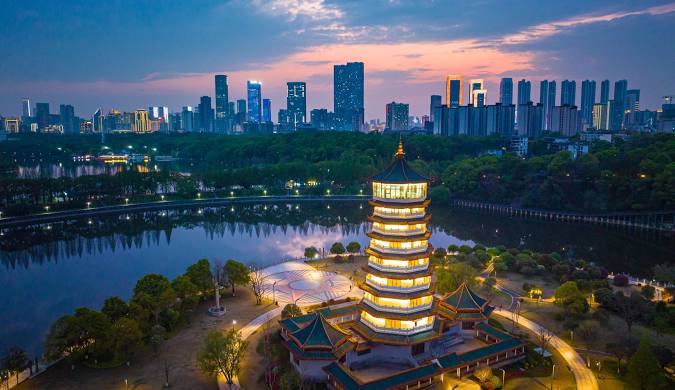
Welcome to Changsha — the soulful and spicy heart of China’s south. Located on the banks of the Xiang River, this dynamic city is the capital of Hunan Province, a land of bold flavors, passionate people, and profound history. If you’re looking for a travel destination that blends deep cultural roots with futuristic nightlife and mouth-numbing cuisine, Changsha will surprise and inspire you.


Why is Changsha Famous?

1. Birthplace of Mao Zedong

Changsha is the hometown of Chairman Mao, the founding father of modern China. His legacy is embedded throughout the city, especially on Orange Isle and in the Yuelu Academy.

2. Home of Spicy Hunan Cuisine

Changsha is considered the capital of fiery food. If you think Sichuan food is hot, wait until you try Hunan dishes — intense, bold, and unapologetically spicy.

3. A Cultural Powerhouse

Changsha is known for its entertainment industry, literary contributions, and heritage sites. It’s home to Yuelu Academy, one of the oldest universities in the world, and Mawangdui, an ancient Han dynasty tomb.

4. City of Nightlife

Modern Changsha pulses with energy at night — from lively pedestrian streets to trendy rooftop bars and popular live-streaming venues. The city’s nightlife is as famous as its food.


How to Reach Changsha

1. By Air

  • Changsha Huanghua International Airport (CSX) connects with all major Chinese cities and international hubs such as Bangkok, Seoul, Tokyo, and Singapore.
  • Airport to downtown: ~40 minutes by taxi or airport shuttle.

2. By High-Speed Rail

  • Changsha South Railway Station is a major stop on the Beijing-Guangzhou high-speed line.

3. By Metro and Bus

  • Changsha has a reliable metro system (currently 6 lines) and an efficient city bus network. Taxis and Didi (Chinese Uber) are also widely available.

Top Places to Visit in Changsha

1. Yuelu Mountain (岳麓山)

A scenic escape right within the city. This forest-covered hill is rich in both nature and history.

  • Hike or take the cable car for a panoramic view of the city.
  • Visit Yuelu Academy, a Confucian academy founded over 1,000 years ago, now part of Hunan University.

2. Orange Isle (橘子洲头)

An island in the middle of the Xiang River, famous for its giant Mao Zedong Youth Statue and vibrant landscape.

  • Ideal for biking, walking, or catching the laser light show at night.

3. Hunan Provincial Museum

Home to the Mawangdui Han Tombs, including the impeccably preserved Lady Dai — one of the best-preserved mummies ever discovered.

  • Artifacts include silk scrolls, ancient maps, and medical texts.

4. Taiping Street & Pozi Street

Historic pedestrian areas with old architecture, boutique shops, tea houses, and endless street food stalls.

  • Don’t miss stinky tofu, spicy crayfish, and sugar oil baba.

5. Huangxing Road Walking Street

The heart of modern Changsha — packed with fashion outlets, street snacks, karaoke bars, and live entertainment.

  • Especially vibrant at night. Perfect for people-watching and late-night snacks.

Things to Do in Changsha

1. Indulge in Hunan Cuisine

Hunan food is characterized by its use of fresh chili peppers, pickled vegetables, and aromatic spices.

Must-try dishes:

  • Chairman Mao’s Red Braised Pork (毛氏红烧肉)
  • Duo Jiao Yu Tou (Steamed fish head with chopped chili)
  • La Rou (smoked pork with dried long beans)
  • Stinky Tofu – crispy, pungent, and delicious

2. Catch a Light Show on Orange Isle

Nightfall brings a spectacular laser and light show across Orange Isle and the Xiang River — a must-see spectacle.

3. Explore the Nightlife

From bar streets like Hexi Bar Street to high-end rooftop lounges and KTV karaoke, Changsha knows how to party.

  • Visit Super Wenheyou — an immersive shopping and nightlife complex styled like 1980s Changsha.

4. Enjoy Traditional Theater

Watch Hunan Opera or local drama performances at traditional theaters.

5. River Cruise on the Xiang River

Hop on a night cruise and witness the city sparkle from the water while enjoying traditional music and drinks.


Day Trips from Changsha

1. Shaoshan

  • Birthplace of Mao Zedong, located just 1.5 hours from Changsha.
  • Visit Mao’s former residence, the Shaoshan Memorial Museum, and local countryside.

2. Nanyue Hengshan Mountain

One of China’s Five Great Mountains, known for Taoist temples and lush natural beauty.

  • Ideal for hiking and spiritual retreats.

3. Zhangjiajie

Although farther (about 4-5 hours by train), many use Changsha as a base before heading to this otherworldly mountain range — the inspiration for the floating mountains in Avatar.


Best Time to Visit Changsha

Spring (March–May)

  • Pleasant weather and blooming flowers.
  • Perfect for hiking and city strolls.

Autumn (September–November)

  • Dry, cool, and ideal for exploring without heat or rain.

Avoid

  • July-August: Hot and humid.
  • Chinese New Year: Crowded and expensive.

Where to Stay in Changsha

Luxury

  • Niccolo Changsha (in IFS Tower, heart of the city)
  • Sheraton Changsha Hotel

Mid-Range

  • Holiday Inn Changsha
  • Kempinski Hotel Changsha

Budget

  • Changsha Sunflower International Hostel
  • Zheman Youth Hostel

Shopping in Changsha

1. IFS Changsha

This luxury mall features global brands, a rooftop art garden, and the famous KAWS statue — a popular selfie spot.

2. Wanda Plaza

For both shopping and entertainment — cinemas, arcades, and restaurants.

3. Super Wenheyou

Combines nostalgia and modern retail in a themed marketplace mimicking old Changsha. Eat, shop, and snap photos.


Hidden Gems in Changsha

1. Lushan Temple

An off-the-beaten-path Buddhist temple with peaceful surroundings and ancient trees.

2. Tianxin Pavilion

Historic towers offering great city views, tucked away near the former city walls.

3. Martyrs’ Park

A massive green space with lakes, pavilions, and an emotional tribute to revolutionary heroes.


Cultural Etiquette Tips

  • Spicy means very spicy: Don’t hesitate to ask for less chili if needed.
  • Tea etiquette: Gently tap the table with two fingers after someone pours your tea — a sign of thanks.
  • Cashless is king: Mobile payments like WeChat Pay and Alipay dominate. Carry a bank card for backup.
  • Respect history: Sites like Shaoshan are of deep national significance.

Fun Facts About Changsha

  • Changsha was once described by Marco Polo during his travels in China.
  • The city’s name literally means “long sandbank,” referencing its riverside location.
  • It’s one of the top cities for live-streaming influencers in China.
  • Lady Dai’s tomb at Mawangdui contained 2,000-year-old cosmetics and food still intact!

Final Thoughts: Why Visit Changsha?

Changsha is China with soul. It’s a place where history whispers from ancient academies, where revolutionary spirits echo through memorial halls, and where every bite of spicy food sings a story of bold living.

If you’re looking to go beyond the tourist trails and experience a city that’s unapologetically alive, fiercely flavorful, and deeply proud of its past — Changsha is your city.

Bhuntar Travel Guide, How to Reach & Places to visit

Talking about the city of Bhuntar, it paves the way for the cities of Kullu and Manali. Here you will get a chance to see the lush green environment, flora and fauna. Bhuntar is about 10 km from Kullu.


Located in Kullu, Himachal Pradesh, Bhuntar has many important tourist places including Jagannath Temple and Bijli Mahadev Temple. Apart from this, tourists also come and go in Bajaura village.


Do you know that the Beas river also flows in Bhuntar. Tourists can also enjoy white water rafting here. Relaxation points are also available for camping near the city during summer. The Basheshwar temple of Bhuntar is also well liked by the people.

How to reach Bhuntar 

By Air

You will be happy to know that it has its own domestic airport called Bhuntar Airport or Kullu Manali Airport. It is well connected to many major cities like Chandigarh, Dharamshala, New Delhi and Shimla. But this airport is currently closed. Nearest will be Bhuntar Airport in Kullu. 

By Rail 

Can you guess the nearest railway station to Bhuntar? Yes, the nearest railway station to Bhuntar is Pathankot. It is actually a junction and its network is spread across North India. It is connected to many major cities like Mumbai, New Delhi, Jaipur, Jammu, Ahmedabad and Lucknow such as Hatai-Muri Link Express, Himsagar Express, Sealdah-Jammu Tawi Express, Jhelum Express and Jammu-Tawi-Ahmedabad Express etc. 


By Road

It is connected to major cities like Chandigarh, Punjab, Haryana and Jammu through Himachal Pradesh State Board Transport Corporation (HPSRTC) and some other private travel services. It is 11 km from Kullu, 50 km from Manali, 60 km from Mandi, 105 km from Rampur, 195 km from Shimla and 210 km from Baddi. 


Place to Visit in & Around Bhunter


Basheshwar Mahadev Temple

Basheshwar Mahadev Temple is known as Vishveshwar Mahadev Temple. It is an extraordinary temple famous for its stone carvings, flat shikaras and miraculous statues. It is very easy to reach this temple as it is only 4 km from Bhuntar Airport. This grand temple originated in the 8th century and is the largest religious site of all the temples in Kullu. 


Jagannath Temple 

The heavenly abode of Bhuvaneshwari Devi is situated on a hill just 3 km from Bhuntar. You will not believe that this temple is at an altitude of 5000 feet above sea level. A spectacular view of the city of Kullu is seen from the hill. The path of the temple is very steep, so follow it carefully. 


Bijli Mahadev Temple 

Bijli Mahadev temple is situated on Mount Mathan near Bhuntar and is situated at an altitude of about 2000 meters. The temple is built in Kash style and is completely dedicated to Lord Shiva. It is said about this temple that whenever you go through the glow of light, the Shivling is divided into pieces. Apart from this, devotees believe that it can rain when praying sincerely for the purpose of farming, which is very good for the land. 


Himalaya National Park

Some people identify this park as Jawaharlal Nehru Great Indian National Park. It is spread over a vast area and is situated in the area of ​​Bhuntar in Kullu. You will be astonished to see snow-capped peaks, flower-covered alpine meadows, magnificent glaciers as well as coniferous forests. It is known for a variety of animals such as brown bear, black bear, rhesus macaque, langur, wild sheep as well as Himalayan musk deer. This place is also great for trekking, you can find easy treks just like the phulara ridge trek in Uttarakhand


Adi Brahma Temple

About 4 km from Bhuntar, Adi Brahma Temple is a huge wooden temple located in the village of Khokhan. A huge statue of Lord Brahma is present in the center of the temple complex. The temple has a chariot with eleven silver and two brass and one Ashtadhatu piece.