Travel

Exploring Shenzhen: China’s Futuristic Tech Hub

Shenzhen

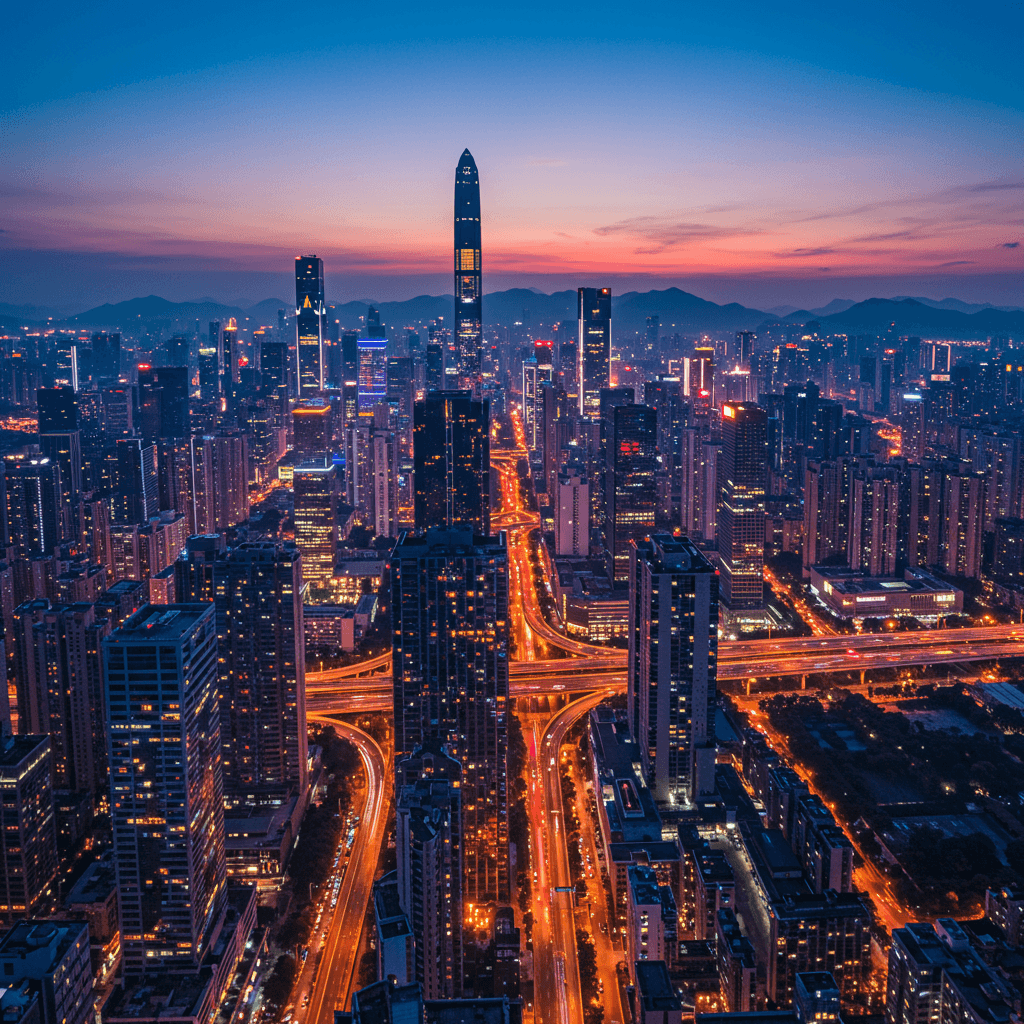
Shenzhen, once a small fishing village, has transformed into a global technology and innovation powerhouse. Located in Guangdong Province, just north of Hong Kong, this megacity is now home to some of the world’s biggest tech companies, cutting-edge startups, and a vibrant cultural scene.

Whether you’re a tech enthusiast, a business traveler, or a curious tourist, Shenzhen offers a unique blend of modernity, innovation, and tradition. In this blog post, we’ll explore what makes Shenzhen so special—from must-visit attractions to how to get there and where to go.


Why Shenzhen Stands Out?

1. The Silicon Valley of China

Shenzhen is often called China’s answer to Silicon Valley. It’s the headquarters of tech giants like Huawei, Tencent, DJI, SunLith Energy and BYD. The city is a hotspot for startups, electronics manufacturing, Battery Energy Storage Systems, and innovation, making it a must-visit for entrepreneurs and tech lovers.

2. Electronics & Gadgets Galore at Huaqiangbei

No visit to Shenzhen is complete without exploring Huaqiangbei, the world’s largest electronics market. Here, you’ll find everything from smartphones and drones to DIY electronics components—often at unbeatable prices.

3. A Green City with Urban Nature

Despite its futuristic skyline, Shenzhen boasts plenty of green spaces. Shenzhen Bay Park, Lianhuashan Park, and Wutong Mountain offer scenic escapes from the urban hustle. The city is also known for its eco-friendly initiatives, including electric buses and bike-sharing systems.

4. Thriving Arts & Culture Scene

Shenzhen isn’t just about tech—it has a growing arts and culture scene. Check out:

  • OCT Loft Creative Culture Park – A hub for galleries, cafes, and indie boutiques.
  • Shenzhen Museum – Learn about the city’s rapid transformation.
  • Dafen Oil Painting Village – A fascinating area where artists recreate famous paintings.

5. Foodie Heaven

From street food to high-end dining, Shenzhen’s culinary scene is diverse. Don’t miss:

  • Cantonese dim sum
  • Spicy Sichuan dishes
  • Seafood at Dapeng Peninsula
  • International cuisine in Shekou (home to a large expat community)

Top Places to Visit in Shenzhen

1. Huaqiangbei Electronics Market

???? Futian District
???? Best for: Tech lovers, gadget shopping, electronics wholesale

2. Window of the World

???? Nanshan District
???? Best for: Families, photo opportunities, global landmarks in miniature

3. OCT Loft Creative Culture Park

???? Nanshan District
???? Best for: Art galleries, cafes, hipster vibes

4. Dafen Oil Painting Village

???? Longgang District
???? Best for: Art lovers, unique souvenirs, watching artists at work

5. Shenzhen Bay Park

???? Nanshan District
???? Best for: Cycling, jogging, waterfront views

6. Dongmen Pedestrian Street

???? Luohu District
???? Best for: Shopping, street food, local fashion

7. Lianhuashan Park

???? Futian District
???? Best for: City skyline views, picnics, cherry blossoms (in season)

8. Splendid China Folk Village

???? Nanshan District
???? Best for: Cultural performances, miniature Chinese landmarks

9. Wutong Mountain

???? Luohu District
???? Best for: Hiking, nature escapes, panoramic city views

10. Shekou Sea World

???? Nanshan District
???? Best for: Nightlife, expat-friendly dining, waterfront entertainment


How to Reach Shenzhen

✈️ By Air: Shenzhen Bao’an International Airport (SZX)

  • Connects to major cities worldwide, including Beijing, Shanghai, Tokyo, and Singapore.
  • Airport Express Metro Line 11 takes you downtown in ~30 minutes.

???? By High-Speed Train (From Hong Kong & Mainland China)

  • From Hong Kong: Take the MTR to Lo Wu/Lok Ma Chau border, then transfer to Shenzhen Metro.
  • From Guangzhou: High-speed trains (~30-40 mins) arrive at Shenzhen North Station.
  • From Beijing/Shanghai: Direct bullet trains (~8-12 hours).

???? By Bus (From Nearby Cities)

  • Frequent cross-border buses from Hong Kong, Macau, and Guangzhou.

???? By Ferry (From Hong Kong & Macau)

  • Ferries arrive at Shekou Port or Fuyong Ferry Terminal.

???? Getting Around Shenzhen

  • Metro: Efficient, cheap, and covers most attractions (English signs available).
  • Didi (Chinese Uber): Convenient for taxis and ride-hailing.
  • Bike-Sharing: Mobike and Hello Bike are popular for short trips.

Final Thoughts

Shenzhen is a city of contrasts—where cutting-edge technology meets traditional culture, and skyscrapers stand alongside lush parks. Whether you’re here for business, innovation, or exploration, Shenzhen promises an unforgettable experience.

Have you been to Shenzhen? Share your favorite spots in the comments below!

EXCITING TREKS IN THE TERRIFIC HIMALAYAS

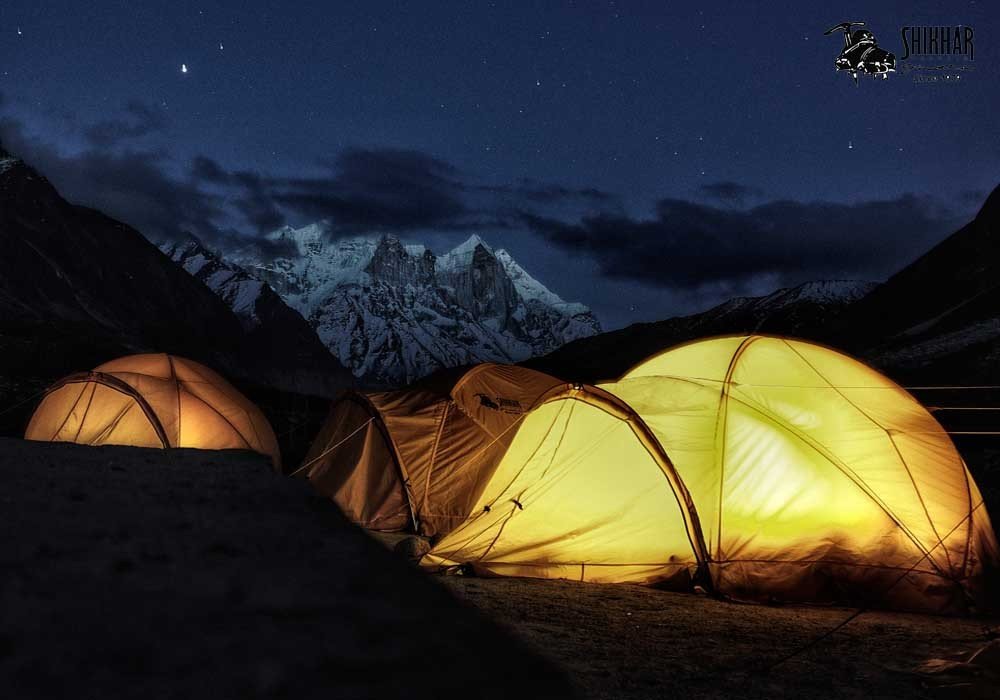
Best tourist spots in the Himalayas, Nothing could be more exciting than trekking, hiking, or mountaineering in the majestic Himalayas, amidst immense scenic splendor, pristine snow-covered peaks, and exotic flora and fauna. So come, indulge your wildest fantasies and treat yourself to a feast of color, beauty, and sound, as rushing rivers and mountain streams cascading down picturesque locales, create a panorama of unrivaled beauty!

For the bold and the beautiful, the adventurous and the ardent mountain lover, hiker or trekker, there are numerous treks to be enjoyed in different parts of India. In case you decide to go solo, you can lose yourself in the beauty of Nature in scenic Himachal Pradesh and trek in the Hampta Pass, Pin Parvati Pass, Indrahar Pass, Deo Tibba Pass, etc. The names read like a musical litany almost and are an irresistible invitation to discover the wondrous mosaic of our rich natural diversity!

Or discover the splendorous sea of color and gorgeous blooms as you embark on the wonderful Valley of Flowers Trek in picturesque Uttarakhand, against the breathtaking backdrop of glistening snow-covered mountain peaks. The Valley of Flowers, legendary for its extraordinary beauty and an amazing variety of blooms, is an enchanting sight with an impressive array of over 300 varieties of wild Himalayan flowers, including the queen of flowers, the Blue Poppy and Brahma Kamal. Discovered by Frank S. Smith, an English mountaineer, and explorer, while on an expedition to Mt. Kamet, the Valley of Flowers trek itself commences at Govindaghat and encompasses Ghangria, Valley of Flowers, Hemkund Sahib – a sacred Sikh shrine near the foot of Hemkund Lake (day excursion), a visit to the sacred Dham of Badrinath and much more. Other memorable destination cities on the way include Joshimath, Karnaprayag, and Rudraprayag at the confluence of the Mandakini and Alaknanda rivers, Rishikesh with its ashrams and temples, Haridwar, and finally Delhi with its magnificent architectural heritage.

Some other memorable treks include invigorating treks in Ladakh like the Markha Valley Trek in Zanskar, guaranteed to raise your adrenalin levels with its untouched pristine beauty! The enchanting Valley of Zanskar Trek takes you to such quaint sounding places as Padam, Pishu, Hanumil, Purfi-la, Lamayuru, Wanla, Leh, Kargil, and many other places on a fascinating voyage of discovery! While the Snow Leopard Trek in Ladakh is unique and covers Leh, Hemis National Park, Zingchen, and Singra, commencing and terminating at Delhi!

Treks in the North among the gorgeous Garhwal Himalayas include the Gaumukh- Tapovan Trek, the Nag Tibba Trek, the entrancing Chopta- Chandrashila Trek, etc. While hiking in the picturesque North-East area of Sikkim includes the fabulous Goechala Trek- Kanchenjunga View, the Sandakphu Trek, while hiking in Sikkim takes you to Bagdogra, scenic Gangtok, Dzongu, Penayangste Monastery, delightful Darjeeling with its salubrious climes and the famous tea, etc!

Perhaps it would only be befitting to conclude our spellbinding sojourn in the mountains with the fabulous Kanchenjunga Trek, following an elaborate Sikkim itinerary. From viewing a mesmerizing sunrise over the Kanchendzonga range of mountains, from Tiger Hill in Darjeeling, to visiting the oldest capital city of Sikkim, at Yuksum, to the fabulous trek to Dzongri through riveting Rhododendron forests and bamboo thickets, it’s all a fascinating experience. While Gangtok packs a potent punch for the ardent Buddhist buff viewing, the Tibetology Research Institute, Dodrul Chorten, Rumtek, and Enchay monasteries. And cap a beautiful experience at the exotic Orchid Sanctuary, taking back treasured memories as precious as the rare orchids, to be nurtured for posterity!

Egypt Travel Tips

The IT world has its meccas there. At least once in their life, startup Eros should visit Silicon Valley. There is a whole mythology behind it – starting with the garage where Steve Jobs started Apple. More recently, Austin has become a fever among digital creatives. But these places, in the end, end up being more of the same. After all, in cafes and conversation circles we only talk about applications, or blockchain or engagement. Sometimes about engagement for applications that use blockchain. Nothing less inspiring and in the box than that, is not it? The luck is that there is a place that exudes art and culture for over a thousand years, which has already produced some of the most top technologies that the world has ever seen and is more accessible than we usually imagine. We are talking about the place that housed the most brilliant among the civilizations of the ancient world. Trip to Egypt?

Far beyond the Pyramids of Giza and the Sphinx, the country has a huge range of inspiring options for those who need to rest their heads and give vent to creative leisure. Have you ever imagined the number of ideas that can come up during a cruise on the Nile? Or, during a hike through the Valley of the Kings, on the outskirts of Luxor? And why not know the place where the most important gadget in history was invented: the papyrus.

Before the paper, the transmission of knowledge was done by oral tradition or by scriptures on the stones – as in the Old Testament Tablets of Ten Commandments. Moses had to work hard to get that weight back and forth. Without papyrus, there would be no paper. Without the paper, the transmission of knowledge would be very slow and not comprehensive. The invention of paper broke a lot for the people of the time and helped to strengthen what is one of the characteristics that most differentiates us from other animals: the social transmission of knowledge from generation to generation.

Another thing that sets us apart from other animals is poetry. In short, poetry is the only way to express those human feelings that are shallow and deep at the same time. And Egypt is full of poetry, whether in the form of monuments, or in its legends and allegories. One of the most poetic places to visit is the Temple of Philae, erected in worship of Isis, a divinity of enormous importance in the Egyptian liturgy from ancient times to the Ptolemaic period, of Greco-Roman domination. Isis is called the Goddess of Love because, in the mythological narrative, she rescued the remains of her beloved husband, Osiris, having taken refuge shortly afterwards precisely on the island of Philae, where she raised her son Horus, who eventually avenged the death of his father by his uncle Set, reestablishing his rule over the men of the Earth. 

Queen Cleopatra, a historical figure, herself considered the daughter of Isis, regularly visited the Temple of Philae in devotion to her protective “mother”. The temple, if it does not have the same magnificence as the Abu Simbel temple, gains in delicacy and details that refer to femininity, fertility, purity, and love – in the reproductive sense of the word. The island of Philae is located just above the first of the Nile falls, in the city of Aswan, in the region of Nubia.

Between Aswan and Cairo is the unmissable city of Luxor, considered the largest open museum in the world. On the outskirts of Luxor is the Valley of the Kings, where Howard Carter found the famous tomb of Pharaoh Tutankhamun in 1922. It is in this valley that King Tutankhamun’s sarcophagus was discovered and today it is a place of intense visitation. It is estimated that more than seventy “kings” rest in the tombs of the place that, at first glance, may not impress, since you only see arid mountains on arrival. The great beauty and richness of the place is below ground, in the tombs that contain the sarcophagi of the best-preserved mummies that have been found throughout Egypt.  

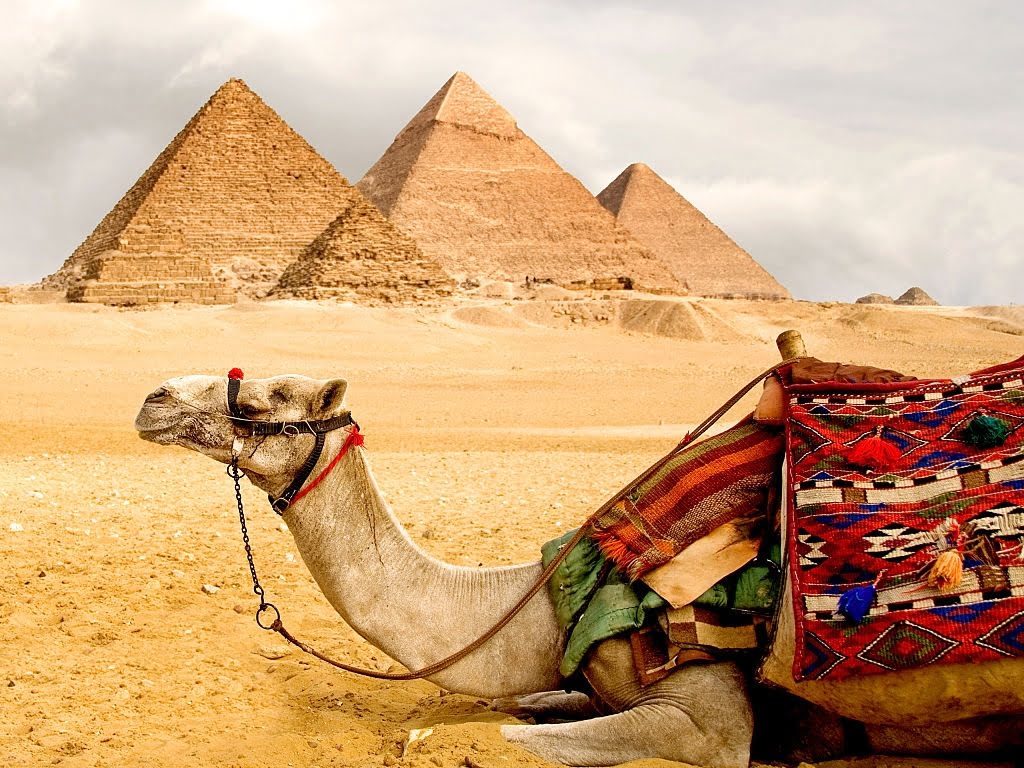
But, if you are not a digital entrepreneur, but a maker, why not leverage your knowledge by visiting the Great Pyramids? In fact, speaking of lever, there you will be able to understand (or try to understand) how it was possible to erect huge blocks of stones over a hundred meters high. Let there be makers for such a task!

There is still no consensus in academia about how the Great Pyramids were built. Some argue that with a lot of people, a lot of ropes and a lot of levers, it was perfectly possible to build those huge monuments. Others bet on the thesis that the stones were lifted by means of complex and ingenious hydraulic systems, in which the stones were raised with the help of floating buoys. The only certainty is that theses and theories about its construction give a lot of cloth to the sleeve. Seeing up close the only one of the Seven Wonders of the Ancient World that remains standing can be the key that remains to solve the puzzles that surround your day-to-day.