

In today’s world, energy is the engine of progress. But with the rise of renewable energy sources like solar and wind, the need to store energy efficiently has become more critical than ever.
This is where ESS (Energy Storage Systems) come into play — changing the rules of the game in how we generate, store, and use power.
If you’re involved in the new energy industry or looking for smarter energy solutions, understanding ESS is no longer optional — it’s essential.
What is an ESS (Energy Storage System)?
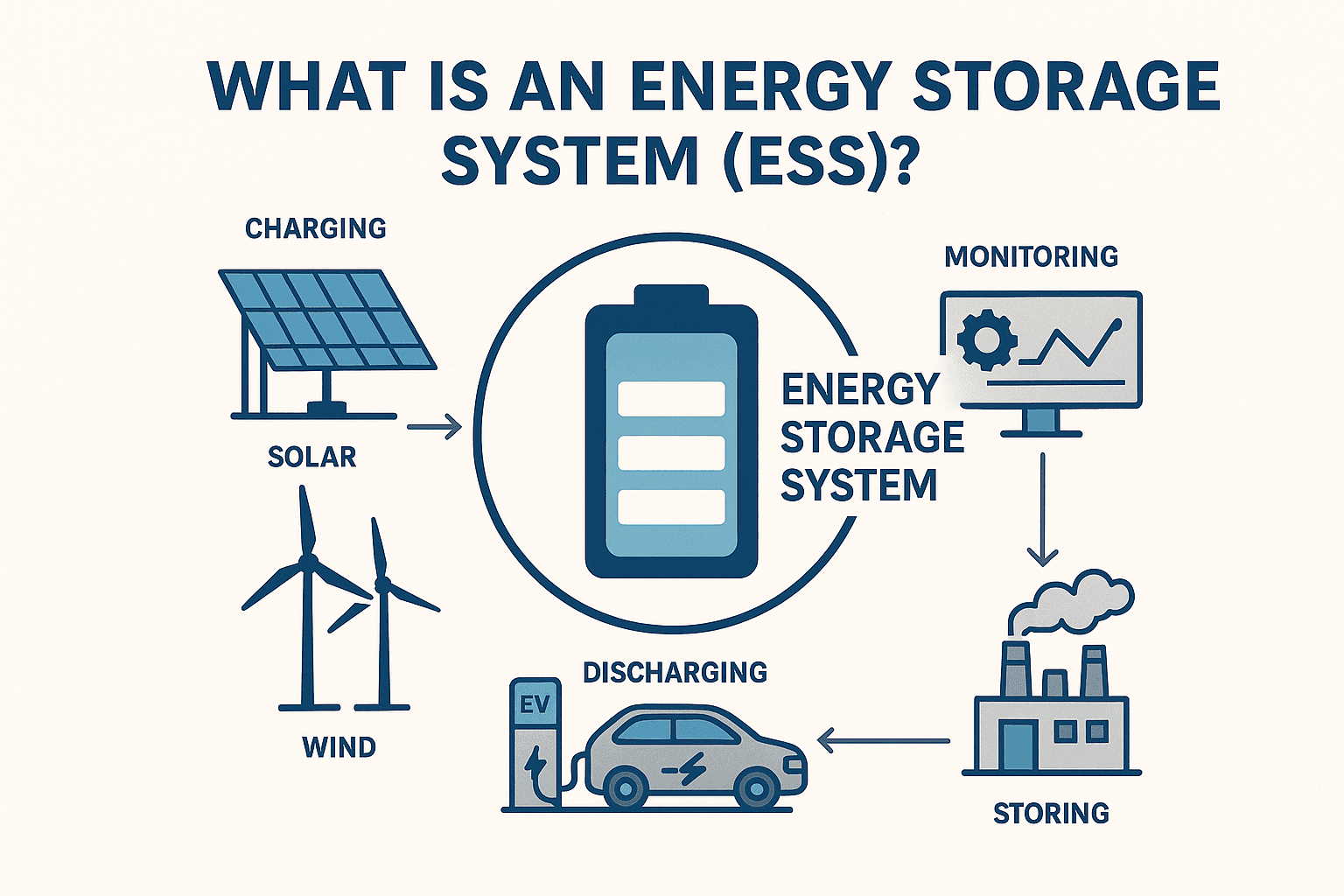
An Energy Storage System (ESS) is a technology that captures energy produced at one time and stores it for use at a later time.
It acts as a bridge between energy supply and energy demand, helping balance power grids, improve efficiency, and enhance energy security.
In simple words:
An ESS stores extra energy when it’s available and delivers it when you need it most.
Why is ESS So Important?
- Stabilizes Renewable Energy: Solar panels and wind turbines produce variable energy. ESS ensures you get a stable power supply even when the sun doesn’t shine or the wind doesn’t blow.
- Reduces Energy Costs: Store energy when it’s cheap and use it when it’s expensive.
- Boosts Grid Reliability: Prevents blackouts and improves grid resilience.
- Empowers Energy Independence: Homes, businesses, and industries can run their own power supply without full reliance on the grid.
- Enables Decarbonization: Supports the global shift towards clean, green, and sustainable energy sources.
How Does an Battery Energy Storage System Work?
The basic operation of an Battery ESS follows four simple steps:
- Charging: Collect energy from the grid or renewable sources.
- Storing: Keep the energy safely inside batteries or other storage mediums.
- Monitoring: Continuously monitor system health, voltage, temperature, and charge level through advanced control systems.
- Discharging: Release stored energy to power homes, businesses, electric vehicles, or grids when needed.
Key Components of ESS:
- Battery Cells: The heart of storage (Lithium-ion, LFP, Semi-Solid, Flow batteries, etc.)
- Battery Management System (BMS): Ensures safe and optimized battery operations.
- Power Conversion System (PCS): Converts stored energy into usable AC or DC power.
- Energy Management System (EMS): Manages when and how energy is stored and used.
Types of Energy Storage Systems
Depending on the application and technology, ESS comes in different types:
| Type | Technology | Application |
|---|---|---|
| Battery Energy Storage Systems (BESS) | Lithium-ion, LFP, Semi-Solid, Sodium-ion | Homes, C&I projects, Utility-scale |
| Mechanical Storage | Pumped hydro, Compressed air, Flywheels | Large grid applications |
| Thermal Storage | Molten salts, Ice storage | Industrial, HVAC systems |
| Chemical Storage | Hydrogen production | Long-duration storage |
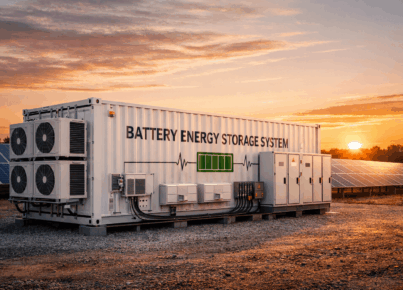
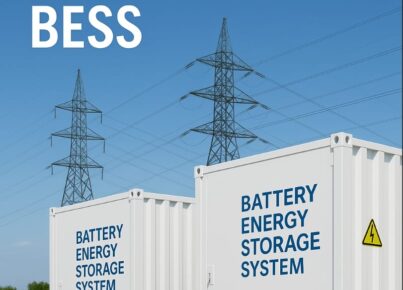
Battery Energy Storage Systems (BESS) dominate the market today due to their flexibility, scalability, and rapid response.
Where is ESS Used?
Residential Applications:
Commercial & Industrial (C&I) Applications:
- Peak shaving to reduce electricity bills
- Emergency backup systems
Utility-Scale Applications:
- Grid stabilization
- Renewable energy integration
- Frequency regulation
Emerging Applications:
- Electric Vehicle (EV) fast-charging stations
- Microgrids for remote or island communities
- Military and critical infrastructure resilience
Advantages of Using an ESS
✅ Energy Savings: Lower your energy bills through smart storage.
✅ Increased Reliability: No more worrying about power cuts.
✅ Sustainability: Reduce carbon footprint and support renewable energy adoption.
✅ Flexibility: Scale from small home systems to massive grid-scale projects.
✅ Fast Deployment: Modular designs allow quick installation and expansion.
The Future of ESS
The global demand for Energy Storage Systems is exploding.
Driven by the push for net-zero emissions, smart cities, and the electrification of everything — from cars to factories — ESS will become as vital as electricity itself.
According to industry forecasts, the global ESS market is expected to grow by over 20% annually for the next decade.
Semi-Solid Batteries, UAV Batteries, Containerized ESS, and intelligent BMS/EMS solutions are shaping the future.
If you are planning to invest, source, or adopt energy storage solutions, the time to act is now.
Conclusion
An Energy Storage System (ESS) is much more than a battery.
It’s the backbone of the new energy revolution, offering resilience, savings, sustainability, and control.
Whether you are a homeowner, a business leader, or an energy project developer — embracing ESS today can unlock tremendous value for tomorrow.
Ready to explore ESS solutions?
Feel free to connect with me for sourcing, consulting, or custom ESS project solutions tailored to your needs!





You must be logged in to post a comment.