
Blog List

Exploring Shenzhen: China’s Futuristic Tech Hub

Shenzhen

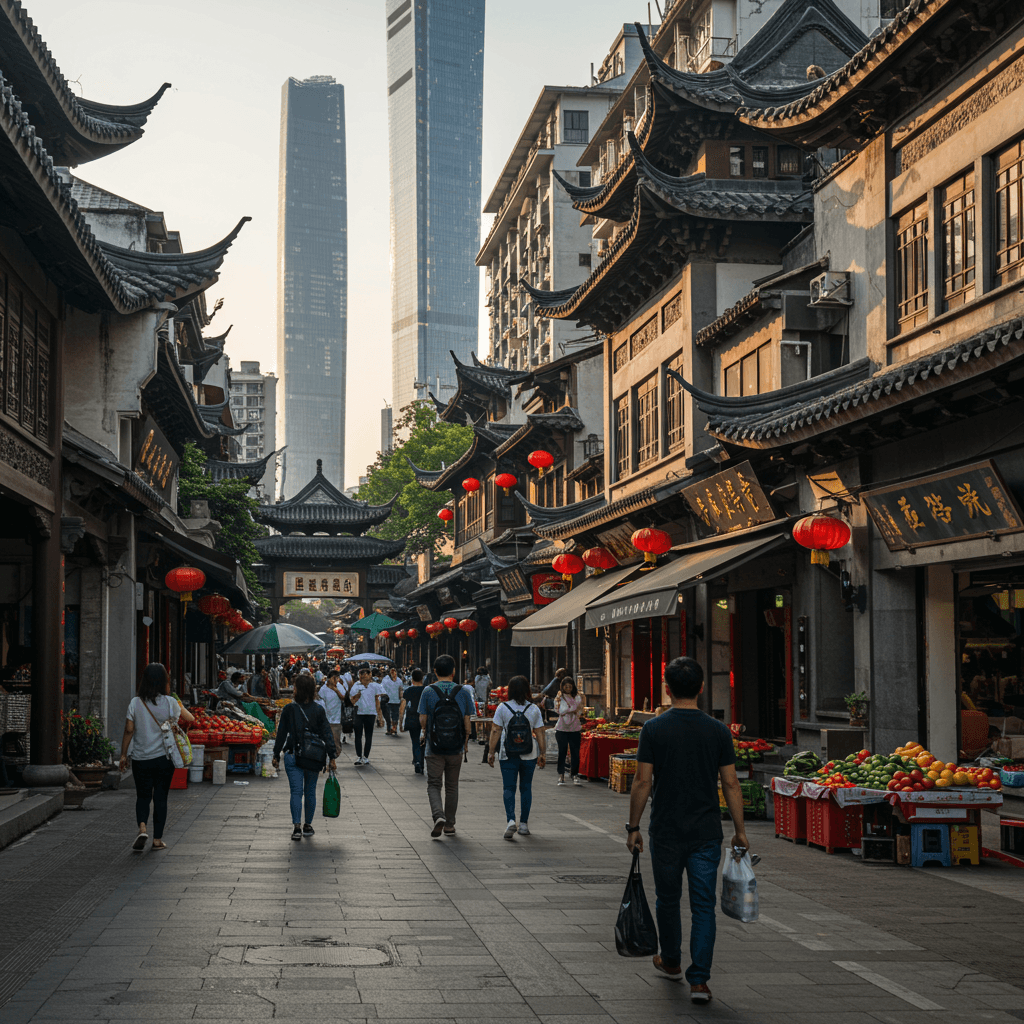
Shenzhen, once a small fishing village, has transformed into a global technology and innovation powerhouse. Located in Guangdong Province, just north of Hong Kong, this megacity is now home to some of the world’s biggest tech companies, cutting-edge startups, and a vibrant cultural scene.

Whether you’re a tech enthusiast, a business traveler, or a curious tourist, Shenzhen offers a unique blend of modernity, innovation, and tradition. In this blog post, we’ll explore what makes Shenzhen so special—from must-visit attractions to how to get there and where to go.


Why Shenzhen Stands Out?

1. The Silicon Valley of China

Shenzhen is often called China’s answer to Silicon Valley. It’s the headquarters of tech giants like Huawei, Tencent, DJI, SunLith Energy and BYD. The city is a hotspot for startups, electronics manufacturing, Battery Energy Storage Systems, and innovation, making it a must-visit for entrepreneurs and tech lovers.

2. Electronics & Gadgets Galore at Huaqiangbei

No visit to Shenzhen is complete without exploring Huaqiangbei, the world’s largest electronics market. Here, you’ll find everything from smartphones and drones to DIY electronics components—often at unbeatable prices.

3. A Green City with Urban Nature

Despite its futuristic skyline, Shenzhen boasts plenty of green spaces. Shenzhen Bay Park, Lianhuashan Park, and Wutong Mountain offer scenic escapes from the urban hustle. The city is also known for its eco-friendly initiatives, including electric buses and bike-sharing systems.

4. Thriving Arts & Culture Scene

Shenzhen isn’t just about tech—it has a growing arts and culture scene. Check out:

  • OCT Loft Creative Culture Park – A hub for galleries, cafes, and indie boutiques.
  • Shenzhen Museum – Learn about the city’s rapid transformation.
  • Dafen Oil Painting Village – A fascinating area where artists recreate famous paintings.

5. Foodie Heaven

From street food to high-end dining, Shenzhen’s culinary scene is diverse. Don’t miss:

  • Cantonese dim sum
  • Spicy Sichuan dishes
  • Seafood at Dapeng Peninsula
  • International cuisine in Shekou (home to a large expat community)

Top Places to Visit in Shenzhen

1. Huaqiangbei Electronics Market

???? Futian District
???? Best for: Tech lovers, gadget shopping, electronics wholesale

2. Window of the World

???? Nanshan District
???? Best for: Families, photo opportunities, global landmarks in miniature

3. OCT Loft Creative Culture Park

???? Nanshan District
???? Best for: Art galleries, cafes, hipster vibes

4. Dafen Oil Painting Village

???? Longgang District
???? Best for: Art lovers, unique souvenirs, watching artists at work

5. Shenzhen Bay Park

???? Nanshan District
???? Best for: Cycling, jogging, waterfront views

6. Dongmen Pedestrian Street

???? Luohu District
???? Best for: Shopping, street food, local fashion

7. Lianhuashan Park

???? Futian District
???? Best for: City skyline views, picnics, cherry blossoms (in season)

8. Splendid China Folk Village

???? Nanshan District
???? Best for: Cultural performances, miniature Chinese landmarks

9. Wutong Mountain

???? Luohu District
???? Best for: Hiking, nature escapes, panoramic city views

10. Shekou Sea World

???? Nanshan District
???? Best for: Nightlife, expat-friendly dining, waterfront entertainment


How to Reach Shenzhen

✈️ By Air: Shenzhen Bao’an International Airport (SZX)

  • Connects to major cities worldwide, including Beijing, Shanghai, Tokyo, and Singapore.
  • Airport Express Metro Line 11 takes you downtown in ~30 minutes.

???? By High-Speed Train (From Hong Kong & Mainland China)

  • From Hong Kong: Take the MTR to Lo Wu/Lok Ma Chau border, then transfer to Shenzhen Metro.
  • From Guangzhou: High-speed trains (~30-40 mins) arrive at Shenzhen North Station.
  • From Beijing/Shanghai: Direct bullet trains (~8-12 hours).

???? By Bus (From Nearby Cities)

  • Frequent cross-border buses from Hong Kong, Macau, and Guangzhou.

???? By Ferry (From Hong Kong & Macau)

  • Ferries arrive at Shekou Port or Fuyong Ferry Terminal.

???? Getting Around Shenzhen

  • Metro: Efficient, cheap, and covers most attractions (English signs available).
  • Didi (Chinese Uber): Convenient for taxis and ride-hailing.
  • Bike-Sharing: Mobike and Hello Bike are popular for short trips.

Final Thoughts

Shenzhen is a city of contrasts—where cutting-edge technology meets traditional culture, and skyscrapers stand alongside lush parks. Whether you’re here for business, innovation, or exploration, Shenzhen promises an unforgettable experience.

Have you been to Shenzhen? Share your favorite spots in the comments below!

What is an Energy Storage System (ESS)? | Complete Guide 2025

ESS

In today’s world, energy is the engine of progress. But with the rise of renewable energy sources like solar and wind, the need to store energy efficiently has become more critical than ever.
This is where ESS (Energy Storage Systems) come into play — changing the rules of the game in how we generate, store, and use power.

If you’re involved in the new energy industry or looking for smarter energy solutions, understanding ESS is no longer optional — it’s essential.


What is an ESS (Energy Storage System)?

An Energy Storage System (ESS) is a technology that captures energy produced at one time and stores it for use at a later time.
It acts as a bridge between energy supply and energy demand, helping balance power grids, improve efficiency, and enhance energy security.

In simple words:

An ESS stores extra energy when it’s available and delivers it when you need it most.


Why is ESS So Important?

  • Stabilizes Renewable Energy: Solar panels and wind turbines produce variable energy. ESS ensures you get a stable power supply even when the sun doesn’t shine or the wind doesn’t blow.
  • Reduces Energy Costs: Store energy when it’s cheap and use it when it’s expensive.
  • Boosts Grid Reliability: Prevents blackouts and improves grid resilience.
  • Empowers Energy Independence: Homes, businesses, and industries can run their own power supply without full reliance on the grid.
  • Enables Decarbonization: Supports the global shift towards clean, green, and sustainable energy sources.

How Does an Battery Energy Storage System Work?

The basic operation of an Battery ESS follows four simple steps:

  1. Charging: Collect energy from the grid or renewable sources.
  2. Storing: Keep the energy safely inside batteries or other storage mediums.
  3. Monitoring: Continuously monitor system health, voltage, temperature, and charge level through advanced control systems.
  4. Discharging: Release stored energy to power homes, businesses, electric vehicles, or grids when needed.

Key Components of ESS:

  • Battery Cells: The heart of storage (Lithium-ion, LFP, Semi-Solid, Flow batteries, etc.)
  • Battery Management System (BMS): Ensures safe and optimized battery operations.
  • Power Conversion System (PCS): Converts stored energy into usable AC or DC power.
  • Energy Management System (EMS): Manages when and how energy is stored and used.

Types of Energy Storage Systems

Depending on the application and technology, ESS comes in different types:

TypeTechnologyApplication
Battery Energy Storage Systems (BESS)Lithium-ion, LFP, Semi-Solid, Sodium-ionHomes, C&I projects, Utility-scale
Mechanical StoragePumped hydro, Compressed air, FlywheelsLarge grid applications
Thermal StorageMolten salts, Ice storageIndustrial, HVAC systems
Chemical StorageHydrogen productionLong-duration storage

Battery Energy Storage Systems (BESS) dominate the market today due to their flexibility, scalability, and rapid response.


Where is ESS Used?

Residential Applications:

Commercial & Industrial (C&I) Applications:

  • Peak shaving to reduce electricity bills
  • Emergency backup systems

Utility-Scale Applications:

Emerging Applications:

  • Electric Vehicle (EV) fast-charging stations
  • Microgrids for remote or island communities
  • Military and critical infrastructure resilience

Advantages of Using an ESS

Energy Savings: Lower your energy bills through smart storage.
Increased Reliability: No more worrying about power cuts.
Sustainability: Reduce carbon footprint and support renewable energy adoption.
Flexibility: Scale from small home systems to massive grid-scale projects.
Fast Deployment: Modular designs allow quick installation and expansion.


The Future of ESS

The global demand for Energy Storage Systems is exploding.
Driven by the push for net-zero emissions, smart cities, and the electrification of everything — from cars to factories — ESS will become as vital as electricity itself.

According to industry forecasts, the global ESS market is expected to grow by over 20% annually for the next decade.
Semi-Solid Batteries, UAV Batteries, Containerized ESS, and intelligent BMS/EMS solutions are shaping the future.

If you are planning to invest, source, or adopt energy storage solutions, the time to act is now.


Conclusion

An Energy Storage System (ESS) is much more than a battery.
It’s the backbone of the new energy revolution, offering resilience, savings, sustainability, and control.

Whether you are a homeowner, a business leader, or an energy project developer — embracing ESS today can unlock tremendous value for tomorrow.

Ready to explore ESS solutions?
Feel free to connect with me for sourcing, consulting, or custom ESS project solutions tailored to your needs!

The True Cost of Cheap Batteries: A War on Safety, Trust, and the Earth

Cheap Batteries,

Cheap Batteries, The Dangerous Game of Price Wars in Battery Sourcing: Every day, I receive messages from importers and traders around the world. Most of them ask only one question:
“Can you make the battery pack at this price?”

Not,

  • “Is it safe?”
  • “Is it certified?”
  • “Will it last?”
  • “Is it ethically made?”

No.
Just price.
Only price.

Some even say, “Use B-grade or used cells if needed. Just hit this cost.”

This blog is not a business pitch. It’s a cry from the heart—a wake-up call. If you are in the energy storage or EV space and pushing for cheaper, lower quality batteries, understand this:

You’re not just playing with numbers—you’re playing with lives, livelihoods, and the future of our planet.


1. The Hidden Cost of Cheap Battery Packs

You think you’re saving money.
You think you’re being smart.
You think you’re gaining a market edge.

But what you’re really doing is:

  • Risking fire hazards
  • Damaging customers’ properties
  • Polluting the environment irreversibly
  • Undermining your country’s economic health
  • And, worst of all… risking human lives

One short circuit. One thermal runaway. One explosion. That’s all it takes.

And it all starts because someone wanted to save a few dollars.
A few dollars that are not worth a burned home, a lost life, or a destroyed planet.


2. Why Do Some People Still Choose Low-Quality or B-Grade Cells?

The simple answer: greed and ignorance.

Let’s break it down:

???? Greed

They want more margin.
They want to undercut competitors.
They want to sell more units, faster.
They want quick profits—even if it means cutting corners.

Ignorance

They don’t understand the technical dangers of low-quality cells.
They haven’t seen what happens when a B-grade cell overheats.
They don’t know the difference between a certified pack and a ticking time bomb.

And sadly, they don’t want to know.
They are blinded by short-term gains—and long-term disasters.


3. Let Me Tell You the Harsh Truth

You are not just importing batteries.

You are importing a decision.

A decision that can protect people—or kill them.

A decision that can safeguard your country’s energy future—or turn it into a landfill.

A decision that can honor humanity—or betray it.


4. The Real-World Risks of Using Low-Quality Battery Packs

Every year, there are thousands of EV and energy storage-related incidents across the world. Fires. Explosions. Leaks. Failures.

In most of these cases, the root cause is the same:

Low-grade or used battery cells assembled poorly, without proper safety systems or certifications.

Common Consequences Include:

  • EV battery fires that spread to entire buildings
  • Home energy systems exploding, injuring users
  • Storage containers catching fire, emitting toxic gases
  • Warranty frauds and insurance rejections due to non-compliance
  • Import bans and reputational damage to local companies

Is this the legacy you want to leave behind?
All for a few dollars less per pack?


5. What You Must Understand About the Battery Ecosystem

Battery manufacturing is not about putting some cells in a box.

It’s an ecosystem of precision, responsibility, and ethics.
It involves:

  • Certified new A-grade cells from trusted manufacturers
  • Proper testing, balancing, and grading
  • BMS and EMS systems with fail-safes and protections
  • Thermal management systems
  • Compliance with international standards like UL, IEC, UN38.3
  • Complete traceability and quality control

You can’t achieve any of this with used or B-grade cells.
They are unpredictable, unstable, and unethical.


6. You’re Also Damaging Your Country’s Economy and Reputation

Cheap imports don’t just hurt people—they hurt nations.
Here’s how:

  • You turn your country into a dumping ground for rejected or expired products.
  • You make your nation’s energy sector unsafe and unreliable.
  • You destroy local businesses who are trying to do things the right way.
  • You hurt the trust of global investors looking for ethical, green partnerships.
  • You contribute to electronic waste, environmental degradation, and economic instability.

All because someone wanted to win the market today, without thinking about tomorrow.


7. Choose Humanity Over Hustle

You know what breaks my heart?

When I talk to suppliers who are willing to compromise on quality just to get the order.

When I see importers proudly saying, “We made it 20% cheaper!”, without realizing what they’ve compromised.

When companies prioritize volume over value, cost over conscience, and profit over people.

But it doesn’t have to be this way.


8. What You Should Demand Instead

Be the leader. Be the change.
Ask better questions. Demand higher standards.

Here’s what you must do:

  • Insist on brand-new, A-grade cells only
  • Ask for cell datasheets, batch codes, and factory certifications
  • Require full battery pack certifications—not just cell reports
  • Ask for FAT (Factory Acceptance Tests) and QC videos
  • Check for UN38.3, IEC62619, UL1973, UL9540A, etc.
  • Audit the manufacturer or hire a local sourcing agent or QC professional
  • Understand the full BOM (Bill of Materials) and cost structure

And most importantly:
Don’t be afraid to pay a little more for safety and sustainability.


9. Let’s Not Forget Why We Are in This Industry

We are here to build a better world.
A cleaner world.
A safer world.

The energy transition is not just about technology—it’s about responsibility.

Don’t let your pursuit of profit kill the very mission we’re all working toward.


 Cheap Batteries,

10. Final Message to All Importers and Buyers: Wake Up!

If you are still chasing price over quality,
If you are still asking factories to “make it cheaper at any cost,”
If you are still ignoring safety to save money…

Then you are not just harming others—
You are digging your own grave.

Because when disaster strikes,

  • It won’t just destroy the battery pack.
  • It will destroy trust.
  • It will destroy reputation.
  • It will destroy lives.

???? Conclusion: Stop the Price War.

This is a war.
Not between brands or countries—
But between greed and responsibility
Between profit and purpose
Between short-term thinking and long-term survival

Be on the right side.
Stop the race to the bottom.
Build products that serve humanity—not harm it.


???? If you’re an ethical buyer, engineer, or project manager—share this message. Educate your team. Raise your voice. Let’s build a battery ecosystem we can be proud of.