Blog List

Hong Kong: Where Skyscrapers Touch the Sky and Culture Runs Deep

Hongkong

Welcome to Hong Kong, the glittering metropolis where glass towers reflect ancient temples, Michelin-starred eateries share streets with bustling dai pai dongs (street food stalls), and luxury shopping malls coexist with wet markets. Hong Kong is not just a city — it’s an experience.

Known for its skyline that defies gravity, world-class food, and vibrant fusion of cultures, Hong Kong has earned its reputation as Asia’s World City. Whether you’re a first-time visitor or a returning traveler, this blog will guide you through the best places to visit, unforgettable things to do, and how to reach this spectacular city.


Why Is Hong Kong Famous?

1. Breathtaking Skyline

Few cities in the world can rival Hong Kong’s iconic skyline. With more skyscrapers than any other city, Hong Kong is a photographer’s dream — especially from Victoria Peak or during the nightly Symphony of Lights.

2. East Meets West

As a former British colony now part of China under the “One Country, Two Systems” framework, Hong Kong uniquely blends British colonial heritage with Chinese traditions.

3. Culinary Capital of Asia

From dim sum to roast goose, egg tarts to hot pot, Hong Kong’s food scene is legendary. The city holds the most Michelin-starred restaurants in Asia, yet street food remains a cherished tradition.

4. Shopping Paradise

From luxury brands in Central to bargain treasures in Mong Kok’s street markets, Hong Kong caters to every type of shopper.

5. Freeport and Financial Powerhouse

Hong Kong is a global financial center, a tax-free shopping haven, and home to one of the world’s busiest container ports.


Top Places to Visit in Hong Kong

1. Victoria Peak (The Peak)

Take the Peak Tram up to the city’s highest point for a panoramic view of the skyline, Victoria Harbour, and surrounding islands.

Pro tip: Visit in the late afternoon to catch the city transform from day to night.

2. Star Ferry Ride

Running since 1888, this iconic ferry crosses Victoria Harbour between Central and Tsim Sha Tsui. It’s not just a mode of transport — it’s a scenic cruise for under $1 USD.

3. Tian Tan Buddha (Big Buddha)

Located on Lantau Island, this 34-meter bronze statue is one of Hong Kong’s most iconic landmarks. Climb 268 steps for a peaceful spiritual experience and sweeping views.

4. Temple Street Night Market

In Kowloon, this lively market is full of local street food, souvenirs, clothes, fortune tellers, and Cantonese opera performances.

5. Ngong Ping 360 Cable Car

Linking Tung Chung to the Big Buddha, this glass-bottom cable car offers stunning views of the South China Sea, lush green mountains, and the Hong Kong International Airport.

6. Avenue of Stars

Inspired by the Hollywood Walk of Fame, this promenade in Tsim Sha Tsui celebrates icons of Hong Kong’s film industry like Bruce Lee and Jackie Chan.

7. Hong Kong Disneyland

HongKong Disney Land

This world-class theme park brings Disney magic to Asia, blending Chinese culture with classic Disney experiences.


Things to Do in Hong Kong

1. Eat Dim Sum Like a Local

Dim sum is more than a meal — it’s a cultural ritual. Head to Tim Ho Wan (world’s cheapest Michelin-starred restaurant) or Luk Yu Teahouse for a traditional experience.

Must-try items:

  • Har Gow (shrimp dumplings)
  • Siu Mai (pork dumplings)
  • Cheung Fun (rice noodle rolls)
  • Egg tarts

2. Hike the Dragon’s Back

Escape the city and hike along this scenic trail on Hong Kong Island. With sea views, forest paths, and cool breezes, it’s the perfect nature escape.

3. Ride the Mid-Levels Escalator

This is the world’s longest outdoor covered escalator system, stretching over 800 meters through Soho and Central — a quirky way to explore hillside neighborhoods.

4. Visit Man Mo Temple

Built in the 1800s, this Taoist temple dedicated to the gods of literature and war is a smoky, incense-filled sanctuary in Sheung Wan.

5. Explore Tai O Fishing Village

Experience the old-world charm of this stilt-house village on Lantau Island. Try dried seafood snacks and take a boat ride to spot pink dolphins.

6. Take a Day Trip to Macau

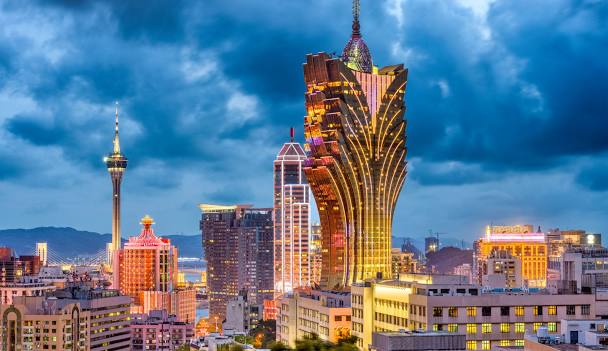
Just an hour away by ferry, Macau offers Portuguese heritage, grand casinos, and a completely different cultural flavor.


How to Reach Hong Kong

1. By Air

Hong Kong International Airport (HKG) is one of the world’s top airports, connected to over 200 cities worldwide.

  • Take the Airport Express to Central in just 24 minutes.
  • Public buses, taxis, and hotel shuttles are also available.

2. By Train

From mainland China, you can reach Hong Kong via high-speed rail to West Kowloon Station.

Key routes:

3. By Bus or Car

There are cross-border buses from major cities in Guangdong province. The Hong Kong-Zhuhai-Macau Bridge also enables driving access between the three cities.

4. By Ferry

You can take ferries from Macau, Zhuhai, and other Pearl River Delta cities into Hong Kong’s ferry terminals in Tsim Sha Tsui or Sheung Wan.


Best Time to Visit Hong Kong

  • October to December: Best weather — sunny and cool.
  • January to March: Mild, but slightly humid.
  • April to June: Warm and rainy.
  • July to September: Hot, humid, and typhoon-prone.

Where to Stay in Hong Kong

1. Luxury

  • The Peninsula (Tsim Sha Tsui)
  • Four Seasons Hotel (Central)
  • Ritz-Carlton (Kowloon, inside ICC tower)

2. Mid-Range

  • Hotel ICON
  • The Mira Hong Kong
  • Ovolo Central

3. Budget

  • YHA Mei Ho House
  • Yesinn @YMT
  • Hop Inn Hostel

Hidden Gems in Hong Kong

1. PMQ (Police Married Quarters)

Now transformed into a creative arts and design hub, PMQ is packed with local designer boutiques, exhibitions, and workshops.

2. Choi Hung Estate

Famous for its rainbow-colored facade, this public housing estate is an Instagram favorite.

3. Nan Lian Garden

A tranquil escape in Diamond Hill, this Tang-style landscaped garden offers waterfalls, lotus ponds, and ancient wooden architecture.

4. Yuen Po Bird Garden

Experience a quirky local tradition where elderly locals gather to show off their prized songbirds.


Shopping in Hong Kong

Best Shopping Areas

  • Causeway Bay: Trendy fashion and department stores
  • Tsim Sha Tsui: Luxury brands and outlet shopping
  • Mong Kok: Ladies Market, sneaker street, and electronics
  • Temple Street Market: Souvenirs and street food
  • Citygate Outlets (Tung Chung): Brand name outlets

Family-Friendly Activities

  • Ocean Park: Amusement park with marine life, cable cars, and pandas
  • Hong Kong Science Museum: Interactive exhibits for kids
  • Symphony of Lights: Nightly laser show viewed best from the Tsim Sha Tsui Promenade
  • Ride the Double-Decker Tram: Known locally as “Ding Ding,” it’s a fun way to explore the city at a leisurely pace

Business Travel in Hong Kong

As a financial hub, Hong Kong offers:

  • Excellent connectivity via Hong Kong Convention & Exhibition Centre
  • Top-notch hotels with meeting facilities
  • Fast and reliable public transport
  • Free Wi-Fi in many public areas
  • English widely spoken in business settings

Tip: Use the Octopus Card — a rechargeable smart card used for transport, convenience stores, restaurants, and more.


Cultural Etiquette in Hong Kong

  • Use both hands when giving/receiving something
  • Avoid discussing politics or China-Hong Kong tensions
  • Do not tip excessively — service charges are often included
  • Dress conservatively when visiting temples
  • Queue respectfully (especially at MTR stations)

Conclusion: Why You Must Experience Hong Kong

Hong Kong is not just a destination — it’s a symphony of sensations. Where else can you watch the sunrise from a mountain trail, sip milk tea in a neon-lit cafe, shop in a glitzy mall, and end your night with Cantonese opera?

Whether you’re chasing business deals or Instagrammable views, ancient wisdom or futuristic vibes, Hong Kong will delight, inspire, and surprise you at every turn.

Guangzhou: The Beating Heart of Southern China — What to See, Do, and Explore

Guangzhou

Welcome to Guangzhou—a city where ancient traditions collide with futuristic skylines, Cantonese cuisine reigns supreme, and the rhythm of trade pulses through every street. Often called “Canton”, Guangzhou is the capital of Guangdong Province and one of China’s oldest and most important port cities. It’s a place where history whispers from colonial buildings while mega-malls, skyscrapers, and business districts roar with modern ambition.

Whether you’re visiting for the Canton Fair, exploring the rich heritage, or tasting the best dim sum in the world, Guangzhou has something for everyone. This blog will walk you through why Guangzhou is famous, must-see attractions, things to do, and how to reach this dynamic city.


Why Is Guangzhou Famous?

1. Historic Trading Hub

Guangzhou has been a major port city for over 2,000 years. As the starting point of the Maritime Silk Road, it opened China’s doors to the world. The city became a global trade center long before modern globalization existed.

2. Canton Fair

Known as the China Import and Export Fair, this event is the largest trade fair in China and one of the largest in the world. Held twice a year, it attracts businesses, suppliers, and buyers from every continent.

3. Home of Cantonese Cuisine

Guangzhou is the birthplace of Cantonese cuisine, one of the Eight Culinary Traditions of China. From dim sum to roast goose, it’s the food capital of China and possibly Asia.

4. Cultural Melting Pot

With its deep-rooted history of trade and migration, Guangzhou is incredibly diverse. It blends Han Chinese, Hakka, foreign influences, and Muslim heritage into a unique cultural tapestry.


Top Places to Visit in Guangzhou

1. Canton Tower

One of the tallest towers in the world, the Canton Tower offers breathtaking panoramic views of the city, especially at night. You can even try the Sky Drop, the world’s highest vertical free-fall ride.

Tip: Visit during sunset and enjoy a 360° view from the observation deck.

2. Shamian Island

A tranquil escape from the bustling city, this colonial-era neighborhood features European architecture, cobbled streets, and leafy boulevards. It’s perfect for a romantic stroll or casual photography.

3. Chen Clan Ancestral Hall

Built in 1894, this traditional Cantonese academy is a masterpiece of Lingnan architecture. It now houses the Guangdong Folk Art Museum, showcasing carvings, pottery, and embroideries.

4. Yuexiu Park and Five Rams Statue

As the largest park in downtown Guangzhou, Yuexiu Park is a green oasis featuring lakes, pavilions, and the city’s symbol—the Five Rams Sculpture, rooted in a local legend of prosperity.

5. Guangzhou Opera House

Designed by Zaha Hadid, this futuristic masterpiece is one of China’s most stunning modern structures and hosts world-class performances.

6. Temple of the Six Banyan Trees

This ancient Buddhist temple dates back to the 6th century. Its centerpiece, the Flower Pagoda, is a towering octagonal structure with intricate carvings.


Things to Do in Guangzhou

1. Feast on Authentic Cantonese Food

No visit to Guangzhou is complete without exploring its dim sum culture. Popular dishes include:

  • Har Gow (shrimp dumplings)
  • Char Siu Bao (BBQ pork buns)
  • Cheung Fun (rice noodle rolls)

Recommended spots:

  • Tao Tao Ju
  • Guangzhou Restaurant
  • Panxi Restaurant

2. Cruise the Pearl River

A night cruise on the Pearl River is an unforgettable experience. Watch the city’s skyline light up while enjoying live music and traditional snacks.

3. Shop ‘Til You Drop

From high-end malls to wholesale markets, Guangzhou is a shopper’s paradise. Check out:

  • Beijing Road and Shangxiajiu Pedestrian Street for local fashion
  • Tianhe City Mall for branded luxury
  • Haizhu Wholesale Markets for fabrics, bags, and electronics

4. Attend the Canton Fair

Held in April and October at the China Import and Export Fair Complex, this massive trade event draws global business leaders and entrepreneurs.

Pro tip: Pre-register and get your buyer badge online to skip the long queues.

5. Visit Baiyun Mountain

Escape the urban sprawl and head to Baiyun (White Cloud) Mountain. It’s ideal for hiking, scenic views, and even cable car rides.

6. Explore Traditional Markets

Dive into local life at markets like:

  • Qingping Traditional Medicine Market
  • Xiaobei Muslim Quarter
    These places offer everything from herbs to halal street food.

How to Reach Guangzhou

1. By Air

Guangzhou Baiyun International Airport (CAN) is one of China’s busiest, with direct flights to Europe, the Americas, Southeast Asia, and Australia.

City center access:

  • Metro Line 3 connects the airport to downtown
  • Airport Express buses and taxis are also available

2. By Train

Guangzhou is a major high-speed rail hub.

Key routes:

  • Guangzhou to Shenzhen – 1 hour
  • Guangzhou to Hong Kong – 1.5 hours
  • Guangzhou to Beijing – 8 hours
  • Guangzhou to Shanghai – 7 hours

Main stations:

  • Guangzhou South Railway Station (for high-speed trains)
  • Guangzhou East Railway Station (for Hong Kong trains)
  • Guangzhou Railway Station (for conventional trains)

3. By Bus

Long-distance buses connect Guangzhou with cities in Guangdong, Fujian, and Guangxi. The Tianhe and Liuhua Bus Terminals are among the busiest.

4. By Metro

Guangzhou’s Metro System is extensive, modern, and easy to navigate, with 14+ lines covering the entire city.


Travel Tips for Guangzhou

  • Best Time to Visit: October to December offers mild weather and low rainfall.
  • Weather: Subtropical with hot, humid summers and mild winters.
  • Language: Mandarin and Cantonese are widely spoken. English is limited outside hotels and airports.
  • Payment: Mobile payments (WeChat Pay, Alipay) are widely accepted. Cash and UnionPay cards also work.
  • Local Etiquette: Don’t stick chopsticks upright in rice; it symbolizes death. Always offer and receive items with both hands.
  • Wi-Fi and VPN: Use a VPN to access services like Google and WhatsApp. Free Wi-Fi is available at most cafes and hotels.

Off-the-Beaten-Path in Guangzhou

1. Xiguan Mansion Tour

Explore traditional Cantonese mansions with enclosed courtyards and colorful tiles in the Liwan District.

2. Lychee Bay Scenic Area

A lesser-known gem featuring ancient bridges, canals, and opera performances. It’s a peaceful escape into Old Guangzhou.

3. Nansha Wetland Park

A great spot for birdwatching and nature walks, especially during migratory seasons.

4. Redtory Art District

This trendy art zone built in a former cannery is now filled with galleries, cafes, and design studios.


Family-Friendly Attractions

  • Chimelong Safari Park: A massive wildlife park with pandas, white tigers, and a jungle train.
  • Chimelong Paradise: One of China’s top amusement parks with world-class rollercoasters.
  • Science Center of Guangzhou: Interactive exhibits for kids of all ages.

Guangzhou for Business Travelers

With its strategic location in the Greater Bay Area, Guangzhou is a hotspot for international business. If you’re in town for work:

  • Stay near Zhujiang New Town (the CBD)
  • Visit Pazhou Exhibition Center for trade fairs
  • Use the Guangzhou Metro to avoid traffic
  • Download Didi (Chinese Uber) for convenient transport

Conclusion: Why Guangzhou Should Be on Your Travel Radar

Guangzhou is not just another stop on the map—it’s a destination in its own right. From sizzling street food to serene temples, from colonial alleys to skyscraping towers, Guangzhou blends past and future with effortless grace. Whether you’re a foodie, a business traveler, a cultural explorer, or a family adventurer, Guangzhou welcomes you with open arms and a hot bowl of dim sum.

It’s fast, it’s flavorful, and it’s unforgettable. Guangzhou isn’t just a city—it’s a feeling.

Chongqing: China’s Mountain City of Fire, Flavor, and Fascination

Chongqing

Hidden in the heart of southwest China, Chongqing is a city that pulses with raw energy, history, and a dramatic skyline that dances with the curves of the Yangtze River. Often overshadowed by Beijing or Shanghai, Chongqing stands tall as one of China’s most unique urban marvels—known as the “Mountain City”, the “Fog City”, and the birthplace of fiery hotpot culture. This sprawling megacity is not only a political and economic hub but also a thriving tourist destination for adventurers, food lovers, and history buffs alike.

In this guide, we’ll take you through everything you need to know about Chongqing: why it’s famous, the top places to visit, exciting things to do, and how to reach this mesmerizing city.


Why Is Chongqing Famous?

1. Hotpot Capital of the World

Chongqing’s most legendary contribution to global cuisine is its spicy, tongue-numbing hotpot. Featuring Sichuan peppercorns, fiery chili oil, and thin slices of meat or offal, it’s an experience as much as a meal. Every street, alley, and plaza seems to offer a new hotpot experience. Chongqing people eat hotpot even in summer—yes, it’s that serious.

2. City of Bridges and Skyscrapers

Built on undulating hills and intersected by the Yangtze and Jialing Rivers, Chongqing’s terrain has given rise to some of the most architecturally astonishing bridges, layered highways, and sky-high buildings. It’s an urban planner’s fever dream and a drone photographer’s paradise.

3. World War II History

Chongqing served as China’s wartime capital during the Second Sino-Japanese War (1937–1945), making it a treasure trove for those interested in modern Chinese history. The city was heavily bombed but never surrendered, earning its place in China’s patriotic consciousness.

4. Gateway to the Three Gorges

As the starting point for Yangtze River cruises, particularly those exploring the famed Three Gorges, Chongqing is a must-visit for travelers seeking to experience China’s natural grandeur.


Top Places to Visit in Chongqing

1. Hongya Cave (Hongyadong)

Resembling a scene out of a Studio Ghibli film, Hongya Cave is an 11-story stilted complex hanging off a cliff face. It houses shops, restaurants, and teahouses with sweeping views of the river. At night, the lights make it look like a fairytale castle.

Tip: Visit at sunset and enjoy a beer overlooking the river.

2. Jiefangbei Central Business District

The beating heart of modern Chongqing, this is where neon-lit malls, luxury brands, and skyscrapers meet local snacks and bustling crowds. It’s also where the People’s Liberation Monument stands—a reminder of the city’s revolutionary spirit.

3. Dazu Rock Carvings (UNESCO World Heritage Site)

A 2-hour drive from downtown Chongqing brings you to the Dazu Rock Carvings—thousands of Buddhist, Confucian, and Taoist sculptures from as early as the 7th century. Intricately detailed and spiritually rich, it’s a must-see for culture lovers.

4. Three Gorges Museum

Located near the People’s Great Hall, this museum offers a deep dive into the Yangtze River culture, the history of the Three Gorges Dam project, and Chongqing’s wartime legacy.

5. Ci Qi Kou Ancient Town

Step back in time in this beautifully preserved ancient village known for its Ming and Qing dynasty architecture, handicrafts, and delicious street snacks like grilled tofu and glutinous rice cakes.

6. Wulong Karst National Geology Park

This UNESCO World Heritage Site, about 3 hours from Chongqing, is famed for its limestone bridges, sinkholes, and gorges. The area’s natural beauty was even featured in Transformers: Age of Extinction.


Things to Do in Chongqing

1. Take the Yangtze River Cable Car

Glide above the Yangtze River in a vintage cable car offering panoramic views of the city. It’s both a local mode of transport and a beloved tourist experience.

2. Ride the “Magical” Light Rail

Chongqing’s monorail passes directly through buildings in the Liziba Station—a surreal sight that has become Instagram famous. Sit at the front of the train for the best photo opportunity.

3. Eat Like a Local

Chongqing’s culinary scene is bold, spicy, and unapologetic. Besides hotpot, try:

  • Xiaomian (Spicy Noodles)
  • Chuan Chuan (Skewered Hotpot)
  • Laoganma Sauce Dishes
  • Pickled vegetables

4. Soak in a Hot Spring

Chongqing has an abundance of natural hot springs. Resorts in Beibei and South Mountain (Nanshan) offer luxurious bathing options with mountain views.

5. Explore at Night

This is a city that transforms after dark. Cruise the river to see the illuminated skyline, explore Hongya Cave lit up like a lantern city, or hit a rooftop bar in Jiefangbei.

6. Hike to Nanshan Mountain

For a spectacular view of Chongqing’s night skyline, head to Nanshan. The Laojun Cave scenic area offers hiking, temples, and an overlook of the city wrapped in fog and light.


How to Reach Chongqing

1. By Air

Chongqing Jiangbei International Airport (CKG) is one of China’s busiest and most connected airports. It offers direct international flights to cities like Bangkok, Tokyo, Singapore, Dubai, and even London. Domestic flights connect it to all major Chinese cities.

Distance to city center: About 21 km (13 miles); a 30–40-minute ride by taxi or metro.

2. By Train

Chongqing is a major rail hub on China’s high-speed railway network.

High-speed trains connect Chongqing to:

  • Chengdu (2 hours)
  • Xi’an (5 hours)
  • Wuhan (6 hours)
  • Beijing (12 hours)
  • Shanghai (13–15 hours)
  • Shenzhen

Major stations: Chongqing North, Chongqing West, and Chongqing Railway Station (for older trains)

3. By River Cruise

For a more scenic approach, cruise into Chongqing along the Yangtze River, especially if coming from Yichang or Wuhan. Cruises can last 3 to 5 days and often include shore excursions.

4. By Road

Chongqing is well connected via expressways. Long-distance buses and private cars are also an option, though the terrain makes road trips slower than rail or air.


Travel Tips for Chongqing

  • Language: Mandarin is spoken, but the local dialect (Chongqinghua) is strong and may be hard to understand. Use translation apps for help.
  • Weather: Summers are hot and humid; winters are damp and foggy. Best seasons to visit: Spring (March–May) and Autumn (September–November).
  • Navigation: Google Maps is limited in China; use Baidu Maps or Gaode Maps for directions.
  • Transport: Metro is fast, clean, and cheap. Avoid rush hour if possible.
  • Currency: Chinese Yuan (CNY). Use Alipay or WeChat Pay if possible; cash is still accepted.
  • Tipping: Not customary in China.

Conclusion: Why Chongqing Belongs on Your Bucket List

Chongqing isn’t just another big city in China—it’s a feast for the senses, a walk through layers of history, and a gateway to stunning natural landscapes. Whether you’re scaling misty mountains, slurping up fiery noodles, or floating down the Yangtze at sunset, Chongqing promises a travel experience that’s unforgettable, unfiltered, and unlike any other city in the world.

If you’re seeking a place where ancient meets futuristic, and tradition dances with innovation—Chongqing awaits.