

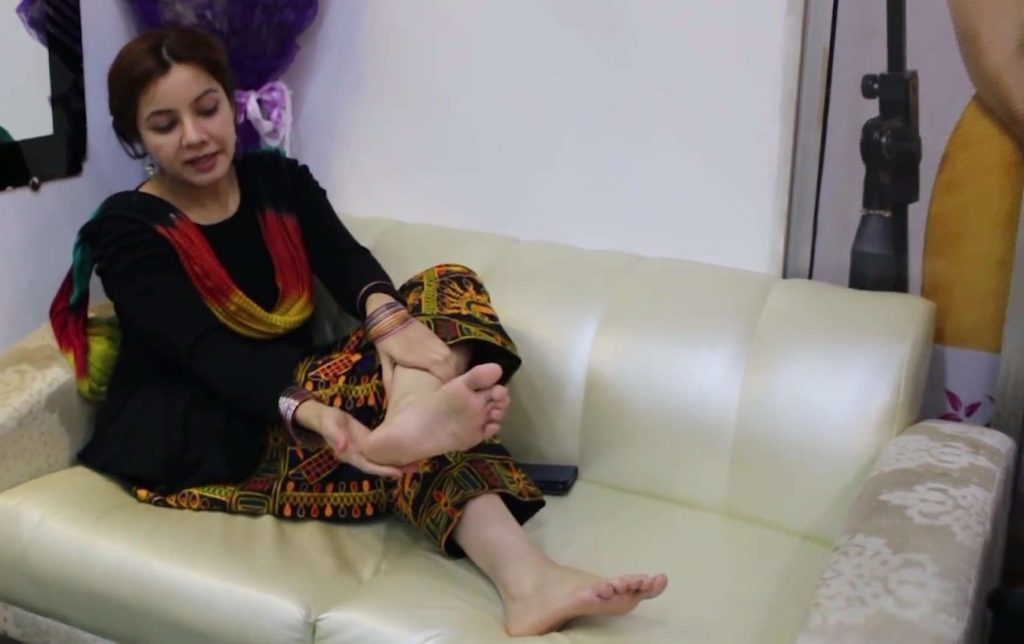
Ladies’ feet can be one of the most beautiful body parts of women, especially when they are polished and healthy. However, ladies’ feet problems are common and can be challenging to treat. It is important that you understand proper foot care if you wish to avoid these problems in the future.
Your feet are a great place to write about. Not only do your feet get a steady workout from wearing shoes, but also from walking and from walking around. Something as simple as walking might be enough to cause injuries, especially when your feet are tight and sore. Sometimes it’s easier to just stop the pain by applying ice or a poultice. At other times, certain issues may require more complex treatment such as massage.
Did you know that foot odor is one of the most frequent compliments people give you? It is actually very common, and the reasons for it have to do with poor circulation. Now, one of the biggest problems that can cause foot odor is poor circulation. Watch the video below to discover the three easy steps you can take to help reduce foot odor and keep your feet smelling great!
It’s no secret that many women wear their shoes all day long and that it’s important to keep your feet healthy and clean. Best of all, we don’t have to sacrifice our feet to a life of hard work. As we grow older, we tend to get tired of wearing the same pair of shoes. To avoid this, many women like to have beautiful feet, but they’re the kind of feet that can be susceptible to foot problems such as heel pain, blisters, and calluses.
How to take care of your feet
This is not just a blog to show you how-to videos, but it is a blog to help you to take care of your feet. In fact, we started this blog with our foot problems and discovered that there are many other issues you could be dealing with as well. If you are dealing with problems affecting your feet, you will have to put a lot of work into it. You can’t just walk on the beach and get your feet done.
You should get your feet fixed as soon as possible. If you are the kind of person that needs to go out and do fun things and be on holiday but can’t for whatever reason, then your feet will suffer. The truth is that most people don’t take care of their feet properly. This is a natural thing, but if you don’t do it yourself, then you will not be able to get them back to normal.0
When you take care of your feet, you can avoid foot problems. Usually, the easiest way to deal with feet problems is by getting them done. But, you don’t have to do it yourself. There are many people who can help you out. Some of these are doctors, podiatrists, and dentists. You will have to go to them and talk to them about your problem.
Tips on how to take care of your Feet
- Feet are an important part of your health. They are the one part of you that you control. I’m not talking about toenails, because that’s a whole different subject. I’m talking about the actual part of your body that you control. If your feet are healthy, then you’re healthy and that’s what I’m talking about here. Feet are an important part of your health, so they should be taken care of.
- Applying moisturizer to your feet can make your feet feel like velvet and can help keep them looking shiny and smooth. Having feet that are definitely not shiny and smooth will make them look awkward and unnatural. When you’re trying to take care of your feet, it’s important to think ahead and understand how you’re going to keep them looking great.
- Feet are a very important part of your body. You don’t want to make it painful to walk or move around, and you definitely don’t want your feet to hurt. To keep your feet healthy, you need to keep them clean and healthy.
- You can never be too careful about your feet. Make sure you’re taking good care of them and that you’re getting the right kind of foot care.
- Feet are a huge part of the work you do. You need to make sure that they’re clean and healthy. Spend time doing things like stretching, massaging, and getting your feet massaged. Take time to go out and walk around and stretch your feet, because your feet are a big part of how you feel about your body.
- Don’t neglect your feet, because they will be one of your most important assets throughout your life.
Feet care in Diabetes
- One of the most effective ways to combat diabetes is foot care. This means that you need to ensure that you’re taking care of your feet so that they don’t become damaged. You also need to ensure that you’re taking care of your feet so that they don’t become damaged. When you’re working with a brand, make sure that you’re able to communicate clearly what your expectations are for them and their services.
- There’s no easy way to treat foot problems with diabetes. Unfortunately, feet are the first signs of a diabetic condition and can quickly become a very serious issue.
- Diabetes is a serious problem. So it’s important to look after your feet, and that means that you need to take care of your feet in diabetes. You need to take good care of them and make sure they’re healthy. That means getting regular foot inspections. You need to do regular foot checks so that you know if your feet are healthy or not. You also need to make sure that you’re regularly wearing proper footwear.
- Feet care in diabetes is different from other feet problems that you might experience like shin splints or bunions. Feet care in diabetes is something that you might experience frequently, so it’s important to get yourself checked out by a podiatrist or orthopedic doctor. Feet care in diabetes has to do with your feet and how they affect your overall condition. If you have foot care for diabetes, you want to be informed about what type of foot care is needed for you and why.
- Feet care is one of the most important aspects of diabetes and you can’t ignore it. Feet care is about keeping your feet healthy so that you can create as much movement in your body as possible.
- You need to be able to communicate your feet care goals and objectives to your customers and prospects. It’s important to communicate what you want from your sponsorship of a brand, and also what you’re willing to do for them. You want to be able to communicate both of these things clearly and in a way that’s easy for them to understand. When you’re starting a sponsorship with a brand, it’s important to make sure you are clear about what you want from them, and that you are willing to do for them.
Feet care in Pregnancy
- Feet care in pregnancy is all about keeping your feet healthy and comfortable, which is why it’s important to give them daily care. If you want to prevent heel spurs, then you need to be sure to keep your feet clean and dry. You can also prevent flat feet by regularly stretching your calves and keeping your feet dry. You can do this by walking with a purpose, wearing comfortable shoes that fit well, and having someone with experience looking after your feet.
- It’s important to pay attention to your feet in pregnancy. Pay careful attention to your feet and make sure you’re not just standing up and walking around. A lot of people don’t pay attention to their feet, and it’s really important to be aware of them. Try to make sure that you’re not just standing up and walking around, and that you’re making sure that you’re paying attention to your feet.
- Feet care in pregnancy naturally comes with a whole host of benefits such as less swelling and pain, healthier skin, and feet that feel soft and smooth. You may even notice a difference in how you’re feeling when you get out of bed in the morning. Feet care during pregnancy is a very real issue, and it can leave you vulnerable to a number of different issues. If you are experiencing problems with your feet, make sure that you talk to your doctor about your concerns.
- Feet care during pregnancy is a simple task that every woman can do to protect her baby and herself. It involves putting on some shoes, protecting the baby, and ensuring that she’s comfortable. Feet care in pregnancy is the same for both women and men and is something that we all need to do for our own health.
- There could be a lot of issues with pregnancy feet after pregnancy. This is why you need to take care of your feet. Feet care in pregnancy is important because it will help you get through this difficult phase. Feet care in pregnancy will help you feel confident and will help you feel less insecure about your feet.
- When you’re pregnant, your feet need to be treated with special care. You need to do regular foot care and take steps to ensure that you’re getting the best possible support for your feet.
Advantages of Pedicure
- Pedicure is an important part of a woman’s beauty regimen and a lot of women aren’t sure what they’re getting into. It’s important to be aware of the different types of treatments that you can get and what they actually do. A lot of women don’t realize that you can have nails done or have them done by a professional, or that you can get your toes done or have them done by a professional.
- One of the main benefits of getting a pedicure is that you can get a natural massage that is healing and relaxing. This can provide you with a great feeling of well-being.
- Pedicures are a great way to relax and unwind, and they’re also a great way to treat yourself or a loved one. But, a pedicure isn’t just for people who have money. Everyone deserves a pedicure, and everyone should feel included. Everyone should feel like they’re part of a fun community when they get a pedicure, which is why it’s important to make it a fun experience for everyone.
- A pedicure is great because it can be done on your feet, which is convenient. You don’t have to go to a spa and spend tons of money on a pedicure. You can schedule a pedicure at your home and do it yourself. You can also schedule a pedicure for your children.
- For people that are already interested in getting a pedicure, you can’t go wrong with getting one. You’ll never regret it.
- When working with someone, make sure you’re communicating clearly and efficiently. Have a clear idea of what you want from them and what it’s going to take to get it. The more you can do that, the better off you’ll be. If you can’t do that, then don’t work with them.