
Buddies Buzz Blog

In the Buddies Buzz blog, you'll find the latest news about the community, tutorials, helpful resources, and much more! React to the news with the emotion stickers and have fun!

What is a Battery Energy Storage System (BESS)?

Battery Energy Storage System

A Battery Energy Storage System (BESS) is a technology that stores electricity for later use using rechargeable batteries. These systems help balance energy supply and demand, enhance power reliability, support renewable energy integration, and provide backup power during outages.

A typical BESS consists of:


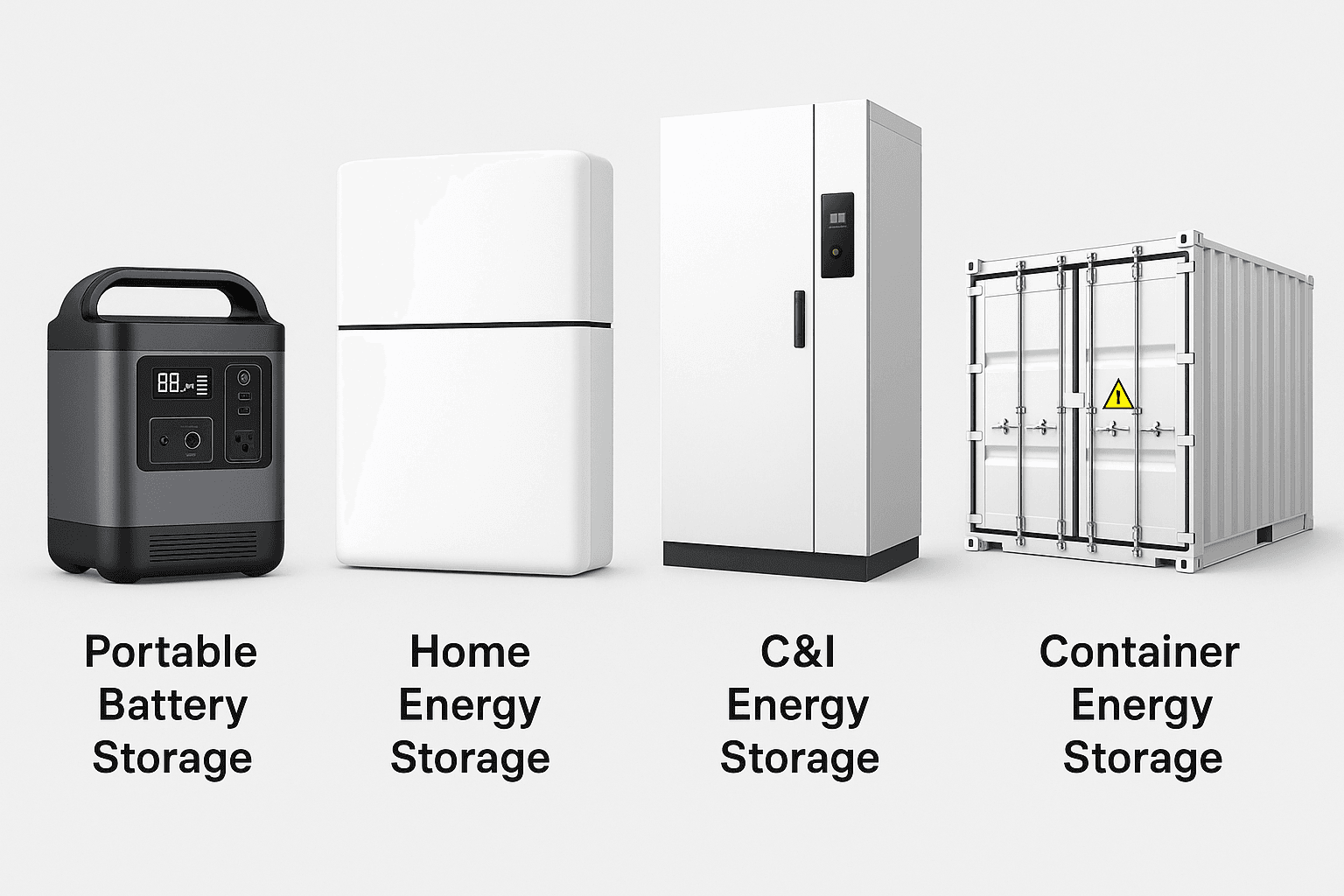
Types of Battery Energy Storage Systems & Their Uses

1. Portable Battery Storage

Examples: Power banks, solar generators, small lithium-ion packs
Uses:

  • Mobile phone and gadget charging
  • Outdoor and emergency power supply
  • Portable medical and communication devices
    Voltage: Low Voltage (12V–24V)

2. Home Energy Storage Systems

Examples: Tesla Powerwall, Huawei Luna2000, Pylontech, Growatt, etc.
Uses:

  • Storing solar energy from rooftop panels
  • Providing backup power during outages
  • Lowering grid electricity usage and costs
    Voltage:
  • Low Voltage (48V): Common for basic home needs
  • High Voltage (150V–600V): Suitable for larger homes with higher loads

3. Commercial & Industrial (C&I) Battery Energy Storage System

Examples: BYD B-Box Pro, Sungrow ST series, etc.
Uses:

  • Peak shaving (reducing demand charges)
  • Load shifting and power backup
  • Grid services and energy cost optimization
    Voltage: High Voltage (200V–1000V)
    Capacity: Typically 100 kWh – 1 MWh

4. Containerized Utility-Scale Battery Energy Storage System

Examples: CATL EnerOne, Tesla Megapack, BYD Cube T, etc.
Uses:

  • Grid stabilization and frequency regulation
  • Renewable energy smoothing (solar/wind farms)
  • Energy arbitrage and trading
  • Microgrids and remote area electrification
    Voltage: High Voltage (1000V and above)
    Capacity: 500 kWh – 5+ MWh per container

⚡ High Voltage vs Low Voltage Battery Energy Storage Systems

FeatureLow Voltage SystemsHigh Voltage Systems
Voltage Range12V – 100V150V – 1500V
Common UseHome, PortableC&I, Utility, High-power Homes
EfficiencyModerateHigh
Installation CostLower upfront costHigher, but more cost-effective long-term
SafetyHigh (safer for residential use)Requires advanced protection
Discharge RateSlowerFaster and more responsive
ScalabilityLimitedExcellent for large projects

Summary Table: Applications by System Type

TypePrimary UsesIdeal Users
PortableCharging electronics, emergency backupIndividuals, travelers
HomeSolar energy storage, power backupHomeowners, solar users
C&IDemand management, operational continuityFactories, commercial buildings
ContainerUtility grid support, large-scale renewable storageEnergy developers, utilities

✅ Final Thoughts

Battery Energy Storage Systems are revolutionizing how we store and use electricity. From tiny portable power banks to massive grid-scale container systems, BESS technology plays a crucial role in achieving energy resilience, reliability, and renewable integration. Choosing between high voltage and low voltage systems depends on your energy needs, budget, and scale of operation.

If you’re considering a BESS for your home, business, or project, understanding the system type and voltage level is essential for efficiency, safety, and cost-effectiveness.


Want help choosing the right energy storage solution for your project? Contact us for expert consulting and procurement services tailored to your specific energy needs.

Macau: Where Heritage Meets High Stakes

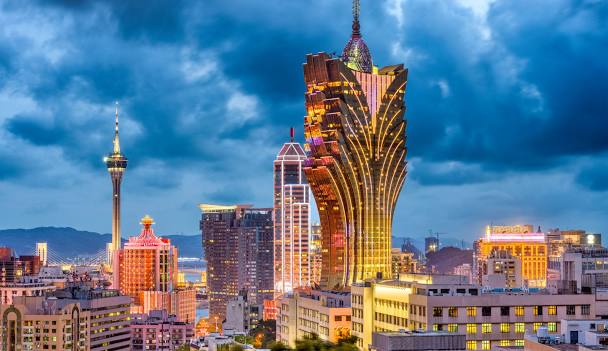
Macao

Nestled on the southern coast of China, Macau is a city of contrasts — a place where Portuguese colonial architecture meets futuristic mega-casinos, and centuries-old temples coexist with luxury boutiques. Often dubbed the “Las Vegas of Asia”, Macau is far more than just a gambler’s paradise. It’s a cultural melting pot, a UNESCO World Heritage site, and a food lover’s dream.

Whether you’re a history buff, adrenaline junkie, or simply seeking a unique travel experience, this guide will take you through the best places to visit, things to do, and how to reach this enchanting city.


Why is Macau Famous?

1. The Casino Capital of the World

Macau’s gaming industry generates more revenue than Las Vegas. The city is home to iconic casinos like The Venetian, City of Dreams, and Grand Lisboa.

2. Portuguese-Chinese Fusion

Macau was a Portuguese colony for over 400 years, leaving behind European architecture, Catholic churches, and a unique Macanese cuisine that blends East and West.

3. UNESCO World Heritage Site

The Historic Centre of Macau is a preserved blend of colonial and traditional Chinese architecture, earning it a UNESCO tag in 2005.

4. Gastronomic Heaven

From egg tarts to African chicken, and dim sum to Portuguese seafood, Macau’s culinary scene is an irresistible fusion.


How to Reach Macau

1. By Air

Macau International Airport (MFM) is well-connected with cities in China and Southeast Asia. From the airport, taxis and public buses are easily available.

2. From Hong Kong

  • By Ferry: High-speed ferries (TurboJET, Cotai Water Jet) run between Hong Kong and Macau in about 1 hour.
  • By Bridge: The Hong Kong-Zhuhai-Macau Bridge allows road transport via shuttle bus or private car (approx. 40–60 minutes).

3. From Mainland China

You can reach Macau via Zhuhai city, which borders Macau. Cross the Gongbei Port on foot or by vehicle.


Places to Visit in Macau

1. Ruins of St. Paul’s

Arguably Macau’s most iconic landmark, this 17th-century Jesuit church facade is all that remains of St. Paul’s College and Church. Climb the stairs to enjoy the view of Senado Square.

2. Senado Square

A charming, European-style public square paved with wave-patterned mosaics and flanked by colonial buildings. It’s a hub of shopping, street food, and culture.

3. A-Ma Temple

Dedicated to the sea goddess Mazu, this is the oldest temple in Macau, built in 1488. It’s a serene space with incense smoke and stone-carved dragons.

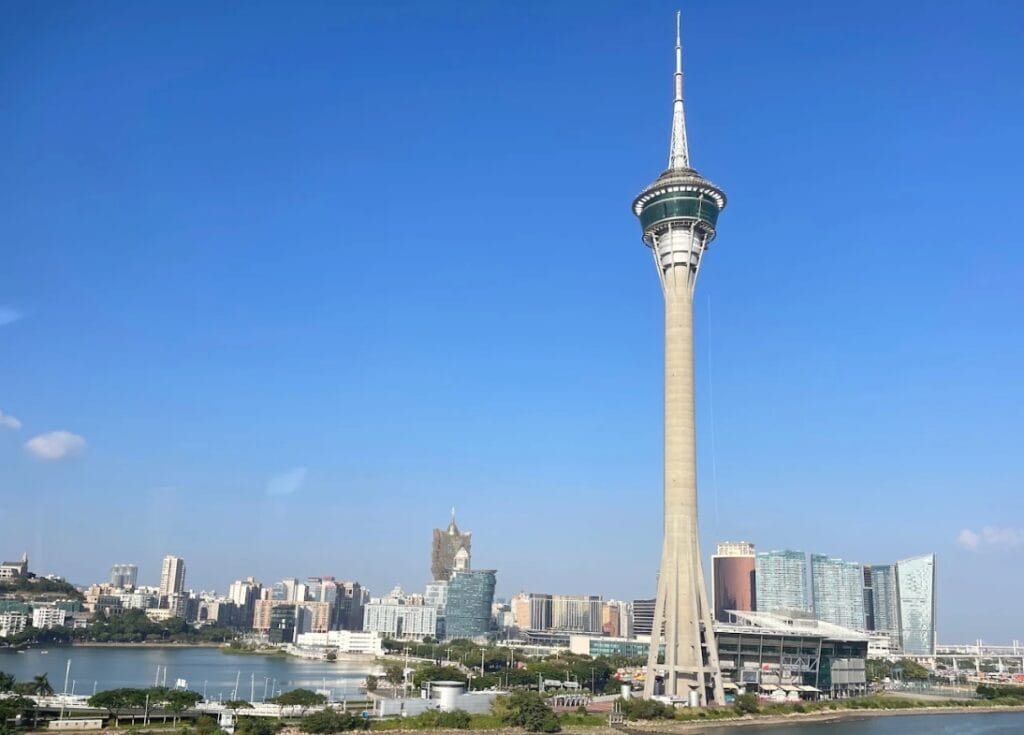
4. Macau Tower

Macau Tower

Standing at 338 meters, Macau Tower offers panoramic views, fine dining, and the world’s highest bungee jump from a building. Daredevils, this one’s for you!

5. The Venetian Macao

This colossal integrated resort offers canals, gondola rides, Italian architecture, shopping, fine dining, and one of the largest casinos on the planet.

6. Cotai Strip

Often compared to the Las Vegas Strip, the Cotai Strip features luxury hotels and entertainment like MGM Cotai, Parisian Macao, and Studio City.

7. St. Lawrence Church

A beautiful pastel-blue baroque church built by Jesuits in the 16th century, located near the historical center.


Things to Do in Macau

1. Try Your Luck at the Casinos

Even if you’re not a gambler, walking through the Venetian, City of Dreams, or Grand Lisboa is an experience in itself — the lights, the energy, the grandeur.

2. Go Bungee Jumping

Leap off the Macau Tower from a heart-stopping 233 meters — the world’s highest commercial bungee jump.

3. Explore Taipa Village

Stroll through narrow alleys, colonial buildings, and lively food stalls in Taipa, where old Macau vibes are alive and well.

4. Visit the House of Dancing Water

This world-class water-based performance blends acrobatics, theater, and stunts in an unforgettable visual spectacle.

5. Relax at Hac Sa Beach

Located on Coloane Island, Hac Sa (Black Sand) Beach is perfect for a lazy day, seafood meals, and sunset watching.


Food You Must Try in Macau

Macau’s cuisine is a mix of Cantonese flavors, Portuguese recipes, and Southeast Asian influences.

1. Portuguese Egg Tart

Flaky, buttery crust filled with creamy custard — available at Lord Stow’s Bakery or Margaret’s Café e Nata.

2. African Chicken

Grilled chicken in a spicy coconut-peanut sauce — a true Macanese specialty.

3. Minchi

A home-style minced beef or pork dish with potatoes and a fried egg, seasoned with soy sauce.

4. Pork Chop Bun

Macau’s version of a burger: crispy pork chop in a crusty bun.

5. Macanese Seafood Rice

A Portuguese-style seafood paella often served with rich tomato and garlic flavors.


Day Trips & Side Attractions

1. Coloane Island

Less developed and more peaceful, Coloane is perfect for hiking, beach walks, and visiting temples like Tam Kung and A-Ma Cultural Village.

2. Kun Iam Statue

A 20-meter bronze statue of the Goddess of Mercy, rising from a lotus-shaped dome near the outer harbor.

3. Wine Museum and Grand Prix Museum

Learn about Macau’s love for wine and motorsport in two adjacent museums. Great for families and casual tourists.


Shopping in Macau

Macau offers a mix of glitzy malls and local markets.

1. The Shoppes at Venetian

Luxury brands in a Venice-themed setting — gondolas and canals included.

2. Senado Square Markets

Buy souvenirs, clothing, jewelry, snacks, and traditional Chinese medicines.

3. Rua do Cunha

Famous for its snack shops, bakeries, and traditional Macanese goods in Taipa.


Nightlife in Macau

While not as wild as Vegas, Macau has a thriving nightlife scene.

  • Sky 21: Rooftop bar with views of the skyline
  • Club Cubic: Hottest club in the City of Dreams
  • Old Taipa Tavern: Great for expats, sports lovers, and craft beer
  • 38 Lounge at Altira Macau: Sophisticated setting for cocktails and views

Cultural Etiquette in Macau

  • English is commonly spoken, but Cantonese and Portuguese are official languages.
  • Dress modestly in temples and churches.
  • Gambling is legal only inside licensed casinos.
  • Tipping is not mandatory, but appreciated.
  • Public transport is clean and punctual — buses and taxis are reliable.

Best Time to Visit Macau

  • October to December: Clear skies and cool temperatures — ideal for sightseeing.
  • January to March: Mild and festive during Chinese New Year.
  • April to June: Warm and humid with occasional rain.
  • July to September: Hot, rainy, and typhoon-prone — avoid unless for casino trips.

Where to Stay in Macau

Luxury

  • The Venetian Macao
  • MGM Cotai
  • Grand Lisboa Palace

Mid-Range

  • Hotel Lisboa
  • Hotel Royal Macau
  • Rocks Hotel

Budget

  • Ole Tai Sam Un Hotel
  • Hou Kong Hotel
  • Happy Family Hotel

Travel Tips for First-Time Visitors

  • Carry MOP (Macanese Pataca) or HKD — both are accepted.
  • Use public buses or hotel shuttles — they are free and frequent.
  • Always carry your passport — some areas require ID checks.
  • Use hotel apps for discounts on shows and restaurants.
  • Don’t miss the light and water show at Wynn Macau.

Macau vs Hong Kong — A Quick Comparison

FeatureMacauHong Kong
Colonized byPortugalBritain
Famous forCasinos, Heritage SitesSkyline, Shopping, Dim Sum
LanguageCantonese, PortugueseCantonese, English
CurrencyMacanese Pataca (MOP)Hong Kong Dollar (HKD)
Visa RequirementsVisa-free for most nationalitiesVisa-free for many travelers

Final Thoughts: Is Macau Worth Visiting?

Absolutely. Macau offers a one-of-a-kind blend of culture, cuisine, and excitement. It’s where east meets west — not just in its architecture and food, but in its soul. Whether you’re watching a lion dance in a centuries-old courtyard or betting on red at a luxury casino, Macau delivers an unforgettable experience

Hong Kong: Where Skyscrapers Touch the Sky and Culture Runs Deep

Hongkong

Welcome to Hong Kong, the glittering metropolis where glass towers reflect ancient temples, Michelin-starred eateries share streets with bustling dai pai dongs (street food stalls), and luxury shopping malls coexist with wet markets. Hong Kong is not just a city — it’s an experience.

Known for its skyline that defies gravity, world-class food, and vibrant fusion of cultures, Hong Kong has earned its reputation as Asia’s World City. Whether you’re a first-time visitor or a returning traveler, this blog will guide you through the best places to visit, unforgettable things to do, and how to reach this spectacular city.


Why Is Hong Kong Famous?

1. Breathtaking Skyline

Few cities in the world can rival Hong Kong’s iconic skyline. With more skyscrapers than any other city, Hong Kong is a photographer’s dream — especially from Victoria Peak or during the nightly Symphony of Lights.

2. East Meets West

As a former British colony now part of China under the “One Country, Two Systems” framework, Hong Kong uniquely blends British colonial heritage with Chinese traditions.

3. Culinary Capital of Asia

From dim sum to roast goose, egg tarts to hot pot, Hong Kong’s food scene is legendary. The city holds the most Michelin-starred restaurants in Asia, yet street food remains a cherished tradition.

4. Shopping Paradise

From luxury brands in Central to bargain treasures in Mong Kok’s street markets, Hong Kong caters to every type of shopper.

5. Freeport and Financial Powerhouse

Hong Kong is a global financial center, a tax-free shopping haven, and home to one of the world’s busiest container ports.


Top Places to Visit in Hong Kong

1. Victoria Peak (The Peak)

Take the Peak Tram up to the city’s highest point for a panoramic view of the skyline, Victoria Harbour, and surrounding islands.

Pro tip: Visit in the late afternoon to catch the city transform from day to night.

2. Star Ferry Ride

Running since 1888, this iconic ferry crosses Victoria Harbour between Central and Tsim Sha Tsui. It’s not just a mode of transport — it’s a scenic cruise for under $1 USD.

3. Tian Tan Buddha (Big Buddha)

Located on Lantau Island, this 34-meter bronze statue is one of Hong Kong’s most iconic landmarks. Climb 268 steps for a peaceful spiritual experience and sweeping views.

4. Temple Street Night Market

In Kowloon, this lively market is full of local street food, souvenirs, clothes, fortune tellers, and Cantonese opera performances.

5. Ngong Ping 360 Cable Car

Linking Tung Chung to the Big Buddha, this glass-bottom cable car offers stunning views of the South China Sea, lush green mountains, and the Hong Kong International Airport.

6. Avenue of Stars

Inspired by the Hollywood Walk of Fame, this promenade in Tsim Sha Tsui celebrates icons of Hong Kong’s film industry like Bruce Lee and Jackie Chan.

7. Hong Kong Disneyland

HongKong Disney Land

This world-class theme park brings Disney magic to Asia, blending Chinese culture with classic Disney experiences.


Things to Do in Hong Kong

1. Eat Dim Sum Like a Local

Dim sum is more than a meal — it’s a cultural ritual. Head to Tim Ho Wan (world’s cheapest Michelin-starred restaurant) or Luk Yu Teahouse for a traditional experience.

Must-try items:

  • Har Gow (shrimp dumplings)
  • Siu Mai (pork dumplings)
  • Cheung Fun (rice noodle rolls)
  • Egg tarts

2. Hike the Dragon’s Back

Escape the city and hike along this scenic trail on Hong Kong Island. With sea views, forest paths, and cool breezes, it’s the perfect nature escape.

3. Ride the Mid-Levels Escalator

This is the world’s longest outdoor covered escalator system, stretching over 800 meters through Soho and Central — a quirky way to explore hillside neighborhoods.

4. Visit Man Mo Temple

Built in the 1800s, this Taoist temple dedicated to the gods of literature and war is a smoky, incense-filled sanctuary in Sheung Wan.

5. Explore Tai O Fishing Village

Experience the old-world charm of this stilt-house village on Lantau Island. Try dried seafood snacks and take a boat ride to spot pink dolphins.

6. Take a Day Trip to Macau

Just an hour away by ferry, Macau offers Portuguese heritage, grand casinos, and a completely different cultural flavor.


How to Reach Hong Kong

1. By Air

Hong Kong International Airport (HKG) is one of the world’s top airports, connected to over 200 cities worldwide.

  • Take the Airport Express to Central in just 24 minutes.
  • Public buses, taxis, and hotel shuttles are also available.

2. By Train

From mainland China, you can reach Hong Kong via high-speed rail to West Kowloon Station.

Key routes:

3. By Bus or Car

There are cross-border buses from major cities in Guangdong province. The Hong Kong-Zhuhai-Macau Bridge also enables driving access between the three cities.

4. By Ferry

You can take ferries from Macau, Zhuhai, and other Pearl River Delta cities into Hong Kong’s ferry terminals in Tsim Sha Tsui or Sheung Wan.


Best Time to Visit Hong Kong

  • October to December: Best weather — sunny and cool.
  • January to March: Mild, but slightly humid.
  • April to June: Warm and rainy.
  • July to September: Hot, humid, and typhoon-prone.

Where to Stay in Hong Kong

1. Luxury

  • The Peninsula (Tsim Sha Tsui)
  • Four Seasons Hotel (Central)
  • Ritz-Carlton (Kowloon, inside ICC tower)

2. Mid-Range

  • Hotel ICON
  • The Mira Hong Kong
  • Ovolo Central

3. Budget

  • YHA Mei Ho House
  • Yesinn @YMT
  • Hop Inn Hostel

Hidden Gems in Hong Kong

1. PMQ (Police Married Quarters)

Now transformed into a creative arts and design hub, PMQ is packed with local designer boutiques, exhibitions, and workshops.

2. Choi Hung Estate

Famous for its rainbow-colored facade, this public housing estate is an Instagram favorite.

3. Nan Lian Garden

A tranquil escape in Diamond Hill, this Tang-style landscaped garden offers waterfalls, lotus ponds, and ancient wooden architecture.

4. Yuen Po Bird Garden

Experience a quirky local tradition where elderly locals gather to show off their prized songbirds.


Shopping in Hong Kong

Best Shopping Areas

  • Causeway Bay: Trendy fashion and department stores
  • Tsim Sha Tsui: Luxury brands and outlet shopping
  • Mong Kok: Ladies Market, sneaker street, and electronics
  • Temple Street Market: Souvenirs and street food
  • Citygate Outlets (Tung Chung): Brand name outlets

Family-Friendly Activities

  • Ocean Park: Amusement park with marine life, cable cars, and pandas
  • Hong Kong Science Museum: Interactive exhibits for kids
  • Symphony of Lights: Nightly laser show viewed best from the Tsim Sha Tsui Promenade
  • Ride the Double-Decker Tram: Known locally as “Ding Ding,” it’s a fun way to explore the city at a leisurely pace

Business Travel in Hong Kong

As a financial hub, Hong Kong offers:

  • Excellent connectivity via Hong Kong Convention & Exhibition Centre
  • Top-notch hotels with meeting facilities
  • Fast and reliable public transport
  • Free Wi-Fi in many public areas
  • English widely spoken in business settings

Tip: Use the Octopus Card — a rechargeable smart card used for transport, convenience stores, restaurants, and more.


Cultural Etiquette in Hong Kong

  • Use both hands when giving/receiving something
  • Avoid discussing politics or China-Hong Kong tensions
  • Do not tip excessively — service charges are often included
  • Dress conservatively when visiting temples
  • Queue respectfully (especially at MTR stations)

Conclusion: Why You Must Experience Hong Kong

Hong Kong is not just a destination — it’s a symphony of sensations. Where else can you watch the sunrise from a mountain trail, sip milk tea in a neon-lit cafe, shop in a glitzy mall, and end your night with Cantonese opera?

Whether you’re chasing business deals or Instagrammable views, ancient wisdom or futuristic vibes, Hong Kong will delight, inspire, and surprise you at every turn.