

Buddies Buzz Blog

In the Buddies Buzz blog, you'll find the latest news about the community, tutorials, helpful resources, and much more! React to the news with the emotion stickers and have fun!

Sanya: China’s Tropical Escape to Sun, Sea, and Serenity

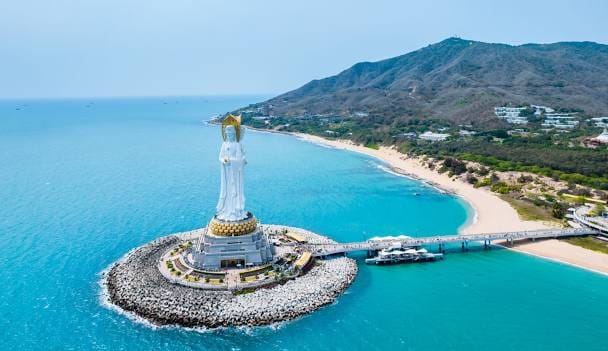
Sanya

When you think of tropical beaches, China might not be the first destination that pops into your mind. But that’s only if you haven’t heard of Sanya.

Located on the southern tip of Hainan Island, Sanya is often referred to as the “Hawaii of China.” With its white-sand beaches, turquoise waters, year-round sunshine, and luxurious resorts, Sanya has become a must-visit destination for both domestic and international travelers seeking a tropical retreat with a touch of exotic Chinese culture.

Whether you’re looking for a beach honeymoon, a family-friendly escape, or a wellness retreat, Sanya offers it all.


Why Is Sanya Famous?

1. Tropical Beaches

Sanya boasts some of China’s most pristine and scenic beaches like Yalong Bay, Dadonghai, and Sanya Bay, each offering golden sands and clear blue waters.

2. Luxury Resorts & Spas

Home to world-class hotels including Atlantis Sanya, The Ritz-Carlton, and Mandarin Oriental, Sanya is perfect for those who want to indulge.

3. Year-Round Sunshine

With a tropical monsoon climate, Sanya enjoys warm weather even in the heart of winter, making it an ideal beach destination all year long.

4. Cultural Fusion

Sanya is home to various ethnic minorities like the Li and Miao, offering visitors rich cultural experiences, festivals, and folk arts.

5. Wellness Destination

With clean air, hot springs, and natural beauty, Sanya is rising in popularity as a center for yoga retreats, TCM (Traditional Chinese Medicine), and spa therapies.


How to Reach Sanya

1. By Air

2. By Train

  • High-speed rail from Haikou (Hainan’s capital) takes around 1.5 to 2 hours.
  • Sanya Railway Station and Yalong Bay Station serve the city.

3. By Sea

  • Cruise ships occasionally stop at Sanya Port, especially from Southeast Asian itineraries.

Top Places to Visit in Sanya

1. Yalong Bay

  • Considered the best beach in China, Yalong Bay is known for its powdery white sand, crystal-clear waters, and luxury resorts.
  • Activities: Snorkeling, jet skiing, banana boats, and glass-bottom boats.

2. Nanshan Temple

  • A stunning spiritual site with a 108-meter tall statue of the Bodhisattva Guanyin, standing tall in the sea.
  • The temple complex promotes Buddhist philosophy and harmony.

3. Tianya Haijiao (The End of the Earth)

  • A romantic spot with massive boulders along the shore.
  • Couples love to visit this symbolic place which signifies eternal love.

4. Wuzhizhou Island

  • A paradise for water sports and diving enthusiasts.
  • The island features coral reefs, white beaches, and five-star eco-resorts.

5. Luhuitou Park

  • Located on a hilltop overlooking Sanya Bay.
  • Offers panoramic views and is linked to a local legend of a hunter and a deer.

6. Yanoda Rainforest Cultural Tourism Zone

  • Just a short drive from the city, explore lush tropical rainforests, waterfalls, and treetop walks.
  • Great for eco-tourism lovers and photographers.

Best Beaches in Sanya

1. Yalong Bay

  • Luxury. Cleanliness. Peaceful.
  • Popular among honeymooners and families.

2. Dadonghai Beach

  • Close to the city center.
  • Lively vibe with bars, cafes, and water sports.

3. Sanya Bay

  • Famous for sunset views and long promenades.
  • More local and budget-friendly.

4. Haitang Bay

  • Home to Atlantis Sanya and high-end resorts.
  • Less crowded, ideal for quiet luxury.

Things to Do in Sanya

1. Snorkeling and Scuba Diving

  • Wuzhizhou Island and Yalong Bay offer fantastic visibility and marine biodiversity.
  • Certified dive shops and courses available.

2. Luxury Spa Treatments

  • Indulge in traditional Chinese medicine, Thai massages, and volcanic stone therapies at top resorts.

3. Jet Skiing & Parasailing

  • Available on most major beaches.
  • Adventure seekers will love the wide range of activities.

4. Island Hopping

  • Day trips to nearby islands like West Island and Phoenix Island offer a change of pace and stunning seascapes.

5. Cultural Shows & Night Markets

  • Watch the Li & Miao ethnic dance performances, enjoy street food at Sanya No.1 Market, and shop local handicrafts.

6. Visit a Hot Spring

  • The Nantian Hot Springs are a luxurious way to detox and relax in Sanya’s natural surroundings.

Where to Stay in Sanya

Luxury Resorts

  • Atlantis Sanya – Beachfront paradise with an aquarium, waterpark, and fine dining.
  • Mandarin Oriental Sanya – Privacy, spa excellence, and lush gardens.
  • The Ritz-Carlton Sanya, Yalong Bay – Chic luxury with outstanding service.

Mid-Range

  • Holiday Inn Resort Yalong Bay
  • JW Marriott Hotel Sanya Dadonghai Bay

Budget Options

  • Hostel Looong – Backpacker-friendly with modern amenities.
  • Sanya Backpacker International Youth Hostel – Affordable and close to Dadonghai Beach.

Best Time to Visit Sanya

November to April

  • Ideal weather. Sunny days with low humidity.
  • Perfect for beach activities and sightseeing.

May to October

  • Hot and humid with chances of typhoons (especially August).
  • Fewer crowds and better deals on hotels.

Local Cuisine in Sanya

Must-Try Dishes

  • Hainanese Chicken Rice – Tender chicken with flavorful rice.
  • Seafood BBQ – Freshly grilled squid, lobster, and oysters at beach markets.
  • Wenchang Chicken – Famous local poultry dish.
  • Baoluo Rice Noodles – Served with pickled vegetables and peanuts.

Where to Eat

  • Chunyuan Seafood Plaza – Choose your seafood, and they’ll cook it on the spot.
  • Xiaodonghai Beach restaurants – Dinner with ocean views.
  • First Market (Yiyuan Road) – For local snacks and tropical fruits.

Nightlife in Sanya

  • Sanya Bar Street (Dadonghai) – Lively bars with live music and cocktails.
  • SOHO Bar – Popular with expats and locals.
  • Resort nightlife – Most high-end resorts have beachfront bars and lounges with DJs and dance floors.

Shopping in Sanya

Duty-Free Shopping

  • Sanya International Duty-Free Shopping Complex (Haitang Bay) – One of the world’s largest duty-free malls.
  • Shop luxury brands like Gucci, Dior, and Chanel at tax-free prices.

Local Souvenirs

  • Coconut candies
  • Sea salt beauty products
  • Shell jewelry
  • Handicrafts from the Li & Miao minorities

Cultural Tips for Visiting Sanya

  • Sun protection is essential – The sun is intense year-round.
  • Modesty at temples – Cover shoulders and knees when visiting sacred sites.
  • Respect local customs – Especially in villages with ethnic minority communities.
  • Tipping is not mandatory, but appreciated in high-end establishments.

Family-Friendly Activities

  • Atlantis Water Park – A hit with kids and adults alike.
  • Tropical Ocean World – Marine animal shows and interactive exhibits.
  • Glass Bridge Walks – For adventurous families, try one of the many scenic glass skywalks near Sanya.

Wellness and Yoga in Sanya

  • Many resorts offer yoga classes, meditation, and traditional Chinese wellness therapies.
  • Detox programs, organic meals, and beach yoga retreats are gaining popularity.

Romantic Getaways

Sanya is perfect for honeymoons, anniversaries, or just a romantic break:

  • Beachfront candle-lit dinners.
  • Couple spa treatments.
  • Sunset catamaran cruises.

Final Thoughts: Why Visit Sanya?

Sanya is where Chinese hospitality meets tropical fantasy. With a mix of luxury and authenticity, it offers something for everyone — whether you’re a beach bum, an adventurer, a cultural explorer, or someone who simply wants to do nothing at all under the shade of a palm tree.

Come for the beaches, stay for the culture, indulge in the luxury, and leave with memories bathed in sunshine and sea spray.

Chengdu: Where Pandas Roam and Spice Rules the Soul

Chengdu

Welcome to Chengdu — a city where pandas nap, chilies reign, and the pace of life slows down just enough for you to soak in its charm. As the capital of Sichuan Province, Chengdu is not just a travel destination — it’s a sensory experience. From spicy food that makes your lips tingle to bamboo forests where pandas munch lazily, Chengdu is the ultimate mix of tradition, nature, and urban cool.


Why is Chengdu Famous?

1. Giant Pandas

Chengdu is the world’s panda capital, home to the largest panda breeding research base. It’s your best chance to see these national treasures up close.

2. Sichuan Cuisine

Chengdu is the birthplace of Sichuan food, known for its fiery spices and tongue-tingling Sichuan peppercorns. It was named a UNESCO City of Gastronomy for good reason.

3. Laid-back Lifestyle

Locals love tea houses, Mahjong, and long lunches. Chengdu has been called the “City That Knows How to Enjoy Life”.

4. Cultural Richness

From ancient Shu civilization relics to Taoist temples and folk performances, Chengdu’s culture is deep and diverse.

5. Gateway to Western China

Chengdu is the springboard to Tibetan regions, Jiuzhaigou, and Mount Emei, making it a strategic base for explorers.


How to Reach Chengdu

1. By Air

  • Chengdu Tianfu International Airport (TFU) and Shuangliu International Airport (CTU) connect the city to major domestic and global destinations.
  • Taxis, metro lines, and airport buses ensure easy transit into the city.

2. By High-Speed Train

  • Chengdu East and South Railway Stations serve fast trains from cities like Xi’an, Chongqing, Kunming, Beijing, and Shanghai.

3. By Road

  • Well-connected via highways and long-distance bus services to nearby provinces and tourist spots.

Top Places to Visit in Chengdu

1. Chengdu Research Base of Giant Panda Breeding

  • The highlight of any visit to Chengdu.
  • See pandas eating, playing, and sleeping. Go early to catch them active.
  • Learn about conservation efforts and panda biology.

2. Wuhou Shrine and Jinli Ancient Street

  • A cultural duo. The Wuhou Shrine honors Zhuge Liang, a revered strategist from the Three Kingdoms era.
  • Jinli Street next door offers traditional snacks, souvenirs, opera shows, and tea.

3. Wenshu Monastery

  • A peaceful oasis in the city, still active with Buddhist monks.
  • Beautiful architecture, calligraphy, and vegetarian food.

4. Chunxi Road & Taikoo Li

  • Chengdu’s shopping mecca. International luxury meets local design.
  • Great for fashion, cafes, and people-watching.

5. Dujiangyan Irrigation System

  • A UNESCO World Heritage Site, 2,000 years old and still functioning.
  • Combines engineering genius with breathtaking views.

6. Mount Qingcheng

  • One of the birthplaces of Taoism. Lush, misty trails and ancient temples offer a spiritual escape.

Things to Do in Chengdu

1. Eat Sichuan Hotpot

  • A boiling cauldron of red chili oil and Sichuan pepper. Dip meats, tofu, mushrooms, and more.
  • Try local favorites like Haidilao or Shujin Hotpot.

2. Drink Tea at a Teahouse

  • Chengdu’s teahouses are cultural institutions.
  • Best spots: People’s Park, Heming Teahouse, and Shunxing Old Teahouse.
  • Watch locals play Mahjong, get ear-cleaning services, or just relax.

3. Watch Sichuan Opera Face-Changing

  • A magical performance where actors switch masks in a flash.
  • Best venues: Shufeng Yayun Teahouse, Sichuan Opera Theatre.

4. Take a Bamboo Forest Walk

  • Many parks like Wangjiang Pavilion Park and Huanhuaxi Park feature scenic bamboo groves.

5. Explore Chengdu’s Food Scene

  • Try Mapo Tofu, Kung Pao Chicken, Dan Dan Noodles, and Twice-Cooked Pork.
  • Street food lovers, head to Yulin Road or Kuan Zhai Alley.

Best Day Trips from Chengdu

1. Leshan Giant Buddha

  • Just 1.5 hours away, this 71-meter tall Buddha is carved into a cliff at the confluence of three rivers.
  • Take a boat ride to see it from the water.

2. Mount Emei

  • One of China’s Four Sacred Buddhist Mountains.
  • Hike or take the cable car to experience its temples, sunrise, and monkeys.

3. Dujiangyan Panda Valley

  • Quieter than the main panda base and offers a more immersive experience.
  • Great for those who want fewer crowds.

Best Time to Visit Chengdu

Spring (March–May)

  • Comfortable temperatures and blooming flowers.

Autumn (September–November)

  • Crisp air, colorful leaves, and great food festivals.

Avoid

  • Summer (June–August): Hot and humid.
  • Chinese New Year: Crowds and higher prices.

Where to Stay in Chengdu

Luxury

  • The Temple House
  • Niccolo Chengdu

Mid-Range

  • Rhombus Park Aura Chengdu Hotel
  • Tibet Hotel

Budget

  • Mix Hostel Chengdu
  • Lazybones Hostel Downtown

Chengdu’s Unique Vibe

What makes Chengdu so unforgettable is its laid-back energy. Despite being a major tech and business hub, the city refuses to give up its love of tea, storytelling, and savoring life.

Locals are friendly, curious, and often hilarious. Life is lived at a slower pace — which makes Chengdu a great destination to recharge your soul while exciting your senses.


Shopping in Chengdu

1. IFS and Taikoo Li

  • International fashion and boutique stores in stylish architectural settings.
  • Look out for the iconic panda climbing the IFS building.

2. Jinli and Kuan Zhai Alleys

  • Great for local crafts, snacks, tea, and souvenirs.

3. Songxian Qiao Antique Market

  • A haven for antique lovers. You can find calligraphy, old coins, traditional art, and more.

Hidden Gems in Chengdu

1. Wangjianglou Park

  • A lesser-known bamboo-themed park with the Wangjiang Pavilion and serene riverside paths.

2. Huanhuaxi Park

  • Tranquil lakes, winding paths, and quiet bamboo groves make it a perfect spot for reflection.

3. Luodai Ancient Town

  • An old Hakka town just outside Chengdu, known for stone alleys, colorful parades, and street snacks.

Cultural Tips for Visiting Chengdu

  • Respect the spice: Sichuan food is addictive but intense. Know your limits.
  • Mobile payment is standard: Alipay and WeChat Pay are widely used.
  • Learn a few words: Even “ni hao” and “xie xie” go a long way in making friends.
  • Join locals: Whether in a teahouse, hotpot restaurant, or playing Mahjong, Chengdu welcomes curious visitors.

Fun Facts About Chengdu

  • Chengdu’s history dates back over 3,000 years.
  • It’s the first city in Western China to have a metro system.
  • The word “panda diplomacy” was born here — many pandas sent abroad for diplomacy come from Chengdu.
  • You can find robot servers, live-streaming parks, and old Mahjong clubs — all in one neighborhood.

Final Thoughts: Why Visit Chengdu?

Chengdu is more than a tourist stop — it’s a state of mind. It’s where time slows down, flavors speed up, and everything feels just right. Whether you’re here for the pandas, the hotpot, or the peaceful moments in a bamboo grove, Chengdu delivers experiences that are unforgettable and deeply human.

Microgrids: Power to the People, Freedom from the Grid

Microgrid

Microgrids: Imagine a world where blackouts are a thing of the past. Where your community keeps the lights on during a storm while the neighboring city goes dark. A world where your power is not just delivered, but generated, stored, and managed—by you, for you.

This is not a dream. This is the reality of microgrids.

In a world riddled with climate crises, soaring electricity bills, and aging infrastructure, microgrids are emerging as our boldest answer—offering energy independence, community resilience, and a clean break from fossil-fueled dependency.


What Is a Microgrid?

A microgrid is a self-contained, local energy system capable of generating, storing, and distributing electricity. It can operate while connected to the central grid or go into island mode, running independently during outages or disturbances.

At its heart, a microgrid is a freedom engine—a small-scale power network that serves a specific area such as a hospital, a campus, a neighborhood, or even an island.


Why the World Needs Microgrids Now

1. Energy Resilience: Survive the Unthinkable

When disaster strikes—wildfires, floods, cyberattacks—centralized grids falter. Entire cities plunge into darkness. But a microgrid keeps critical systems running. It protects lives. It protects livelihoods.

Example: In 2017, during Hurricane Maria, Puerto Rico’s centralized grid collapsed. But local microgrids saved schools and clinics. Today, thousands of Puerto Rican communities are investing in microgrids, fueled by solar and hope.

2. Energy Independence: Break the Chain

Why depend on massive utilities when you can generate your own power? Microgrids liberate communities from the monopolistic grip of traditional utilities. You can generate solar power on your rooftop, store it in batteries, and power your home—on your terms.

No more surprise bills. No more outages. Just control.

3. Clean Energy: Healing the Earth

Microgrids are tailor-made for renewables—solar panels, wind turbines, biomass, hydro. By integrating clean sources and reducing transmission losses, microgrids reduce emissions and help fight climate change where it matters most—locally.


Anatomy of a Microgrid: What’s Inside?

Every microgrid, no matter how large or small, consists of the following:

Energy Generation

  • Solar PV panels
  • Wind turbines
  • Bioenergy plants
  • Diesel or gas generators (for backup only)

Energy Storage

Power Conversion System (PCS)

The PCS converts energy between AC and DC and balances power input and output. It’s the “translator” between your power sources and your appliances.

Battery Management System (BMS)

The BMS ensures batteries operate safely, optimally, and within design limits. It monitors temperature, voltage, current, and SoC (State of Charge).

Energy Management System (EMS)

The EMS is the brain of the microgrid. It decides when to store energy, when to use it, when to pull from the grid or go off-grid. With AI-driven logic, it makes microgrids intelligent.

Control & Communication Layer

This layer links all components, shares real-time data, and enables remote monitoring and predictive maintenance.


Use Cases That Change Lives

Hospitals and Clinics

When seconds count, power loss is deadly. Microgrids ensure uninterrupted power for surgeries, ventilators, and critical care units.

Schools and Universities

Educational institutions are increasingly using microgrids to power campuses sustainably while teaching the next generation about clean energy.

Industrial Zones and Data Centers

Downtime means millions lost. Microgrids offer failproof uptime for sensitive equipment and servers.

Islands and Remote Areas

Disconnected from national grids, islands rely heavily on diesel imports. Microgrids powered by solar and storage cut costs and emissions dramatically.

Eco-Villages and Smart Townships

Communities are building smart homes connected via microgrids—creating local energy markets where homes trade power in real-time.


Microgrids vs Centralized Grids

FeatureMicrogridCentralized Grid
ResilienceHigh – can operate independentlyLow – failures cascade
EmissionsLow – clean energy basedHigh – fossil fuel dominant
Energy LossesMinimal (localized)High (long transmission)
Community ControlFullNone
Setup CostMedium to High (initially)Already established
Operational EfficiencyAdaptive and smartRigid and outdated

The Emotional Payoff: Freedom, Security, and Purpose

Let’s get real.

We don’t just want electricity—we want security. We want our children to study without the flicker of a power cut. We want our elders to sleep with their oxygen concentrators running. We want power without fear.

Microgrids give us that.

They give us control, in a world spinning wildly out of control. They let us fight back against pollution, corruption, and environmental degradation—not with rage, but with real, renewable power.

They give our communities a voice in how energy is produced, used, and shared. That’s not just technical progress. That’s human progress.


Challenges: Why Aren’t Microgrids Everywhere?

Yes, microgrids are powerful—but they’re not yet mainstream.

⚠️ High Upfront Costs

Building a microgrid requires capital for generation assets, storage, PCS, and EMS. However, long-term ROI is phenomenal, especially when factoring in avoided blackouts and reduced energy bills.

⚠️ Regulatory Barriers

In many regions, outdated laws prevent local energy trading or grid independence. But the tide is turning as governments realize the urgency of resilient energy infrastructure.

⚠️ Technical Complexity

Designing a fully optimized microgrid requires expertise in energy modeling, load forecasting, and control systems. That’s why expert consultants and local agents (like myself!) are crucial.


The Global Boom of Microgrids

The market for microgrids is projected to cross USD 60 billion by 2030. Leading the way are:

  • United States: Hundreds of community microgrids in California, Alaska, and New York.
  • India: Rural solar microgrids in Uttar Pradesh, Bihar, and Jharkhand.
  • China: Smart microgrids in Shenzhen, Shanghai, and energy parks.
  • Africa: Life-saving solar microgrids in Kenya, Nigeria, and Rwanda.

Everywhere, the story is the same: people want power they can trust, afford, and control.


The Role of New Energy Consultants and Local Agents

Here’s where professionals like me come in.

We design, source, and optimize microgrid components:

  • Sourcing solar panels, BESS, PCS, EMS, and control systems
  • Performing factory audits, FAT, QC checks
  • Providing end-to-end consulting on feasibility, regulatory compliance, and commissioning

The goal is simple: build reliable microgrids with minimum delays, costs, and risks.


Is a Microgrid Right for You?

Ask yourself:

  • Do I face frequent blackouts?
  • Do I want to reduce my energy bills?
  • Do I want to switch to solar but worry about reliability?
  • Do I care about reducing my carbon footprint?

If you answered yes to any of these, a microgrid is not just an option—it’s your empowerment tool.


Final Words: Let the Revolution Begin

We are standing at the edge of an energy revolution. Not led by corporations. Not dictated by governments. But powered by people—families, communities, schools, hospitals, and local businesses who choose independence over dependence, resilience over vulnerability.

Microgrids are not just about electricity. They’re about energy with dignity.

If you’re ready to take charge of your power future, I’m here to guide you—from sourcing and design to deployment and support.

Let’s build a future where energy is clean, local, and unbreakable.
Let’s build microgrids that spark macro change.


Call to Action (CTA):

???? Need help setting up a microgrid for your home, industry, or community?
I specialize in end-to-end new energy sourcing, procurement, and consulting—from batteries and PCS to EMS and full microgrid solutions.

Drop me a message or connect on LinkedIn today. Let’s electrify the future—together.