Blog Masonry

EMS (Energy Management System): The Intelligent Core Powering the Future of Energy Storage

EMS * Energy Management System)

In the world of energy, we often admire the power, but rarely acknowledge the brain behind it. While battery cells, BMS, and PCS receive most of the attention in an energy storage system, there exists an unsung hero—the Energy Management System (EMS). Quiet, invisible, yet incredibly powerful—Energy Management System is the central nervous system of every energy storage solution.

In a rapidly electrifying world, where outages cost millions, renewable sources fluctuate, and grid stability is paramount—Energy Management System plays a decisive, life-saving role.

If you’re investing in battery systems, building an ESS, or managing a smart grid—understanding Energy Management System isn’t optional. It’s essential.


What is EMS (Energy Management System)?

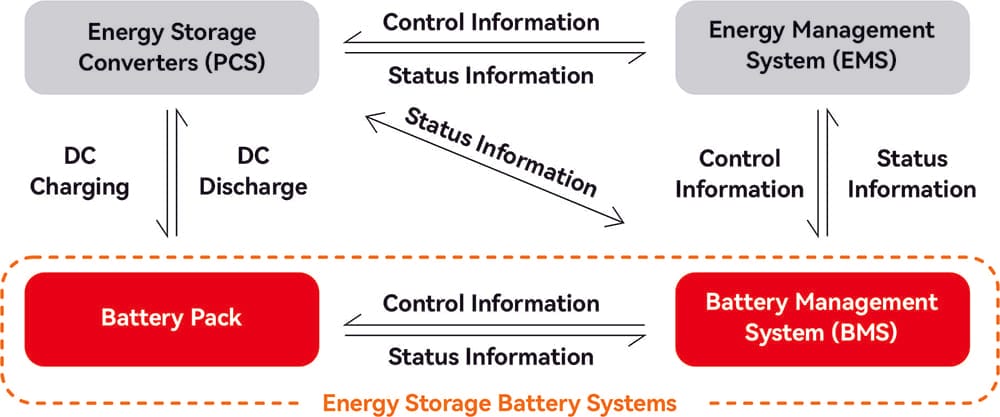
At its core, an EMS is a sophisticated control system that monitors, manages, and optimizes the energy flow in a battery energy storage system (BESS).

Think of it like this:

  • The Battery is the Heart
  • The BMS (Battery Management System) is the Nerve
  • The Energy Management System is the Brain

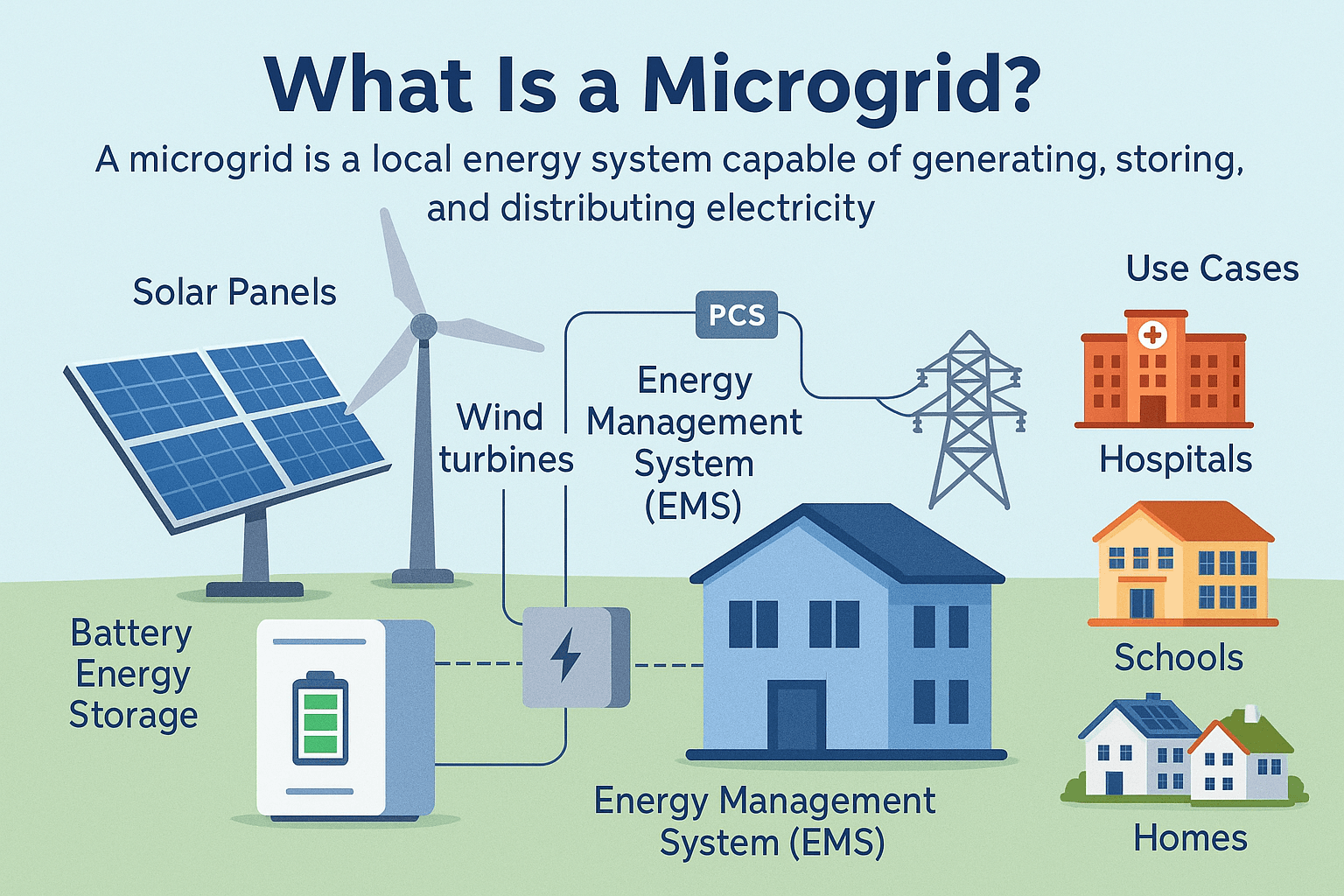
It connects everything—solar panels, inverters, batteries, grid, and loads—orchestrating power flows with intelligence and precision.

Key Functions of an Energy Management System:

  • Real-time energy monitoring and analytics
  • Load forecasting and energy optimization
  • Charge/discharge scheduling
  • Peak shaving and load shifting
  • Integration with solar, wind, grid, and diesel
  • Demand-side management
  • Grid interaction & revenue optimization

Why EMS Matters in Energy Storage Systems

1. Because Power Without Control is Chaos

A high-capacity battery without Energy Management System is like a sports car without a driver.
Yes, it can go fast—but it can also crash. Hard.

Energy Management System controls when to store energy, when to release it, and how to do it safely. It decides:

  • When to charge from solar
  • When to sell power back to the grid
  • When to avoid grid usage during peak prices

Without Energy Management System, energy decisions are blind and reactive, leading to inefficiencies, losses, or even system failure.


2. The Key to Profitability

Energy is money. EMS is how you make more of it.

For commercial and industrial setups, Energy Management System can save thousands to millions by:

  • Reducing peak demand charges
  • Enabling participation in grid services
  • Selling energy when prices are high
  • Minimizing energy waste and downtime

Energy Management System helps energy Storage systems become revenue-generating assets, not just storage units.


3. Your Guardian Against Failures

Every battery system carries risks—thermal runaway, overcharging, deep discharge, communication failures.

While BMS protects the battery at the cell level, EMS protects the entire ecosystem.

It ensures that:

Energy Management System is your safety commander, reducing the risk of fire, blackout, and equipment failure.


4. Enables Smart Integration with Renewables

Renewables are the future. But they’re also unpredictable.

The sun doesn’t always shine. The wind doesn’t always blow.

Energy Management System allows you to:

  • Predict renewable output using AI & weather data
  • Prioritize solar or wind over grid use
  • Smooth out power fluctuations
  • Store surplus energy for night-time or low-supply periods

In short, Energy Management System makes clean energy dependable.


5. It’s the Brain of Smart Grids

We’re moving toward decentralized, intelligent energy systems—smart homes, smart grids, and VPPs (Virtual Power Plants).

In this world, Energy Management System is your passport.

It communicates with:

  • Grid operators
  • Aggregators
  • Utility APIs
  • Building Battery Management Systems (BMS)
  • Internet of Things (IoT) platforms

It enables autonomous decision-making—a future where your system acts in real-time, based on external signals and internal logic.


Real-Life Use Case: EMS in Action

Industrial Park in Southeast Asia

An industrial complex installed a 5MWh battery system with solar panels. Initially, without Energy Management System, they saw:

  • Frequent overcharging
  • High peak demand penalties
  • Poor system performance

After Energy Management System integration:

  • Peak demand reduced by 40%
  • Monthly savings: over $25,000
  • ROI achieved in 18 months

The Energy Management System monitored real-time prices, weather, and load data—automatically deciding when to store, sell, or shift energy usage.

That’s not just smart—that’s transformational.


Types of EMS Platforms

  1. On-Premise Energy Management System
    • Installed locally
    • Low latency
    • Used in data-sensitive environments
  2. Cloud-Based Energy Management System
    • Accessible remotely
    • Uses AI & big data
    • Easy to update & scale
  3. Hybrid Energy Management System
    • Combines both local and cloud intelligence
    • Ideal for mission-critical sites

Choosing the Right Energy Management System: What to Look For

When evaluating an EMS, don’t just check the brochure. Look for:

✅ Open communication protocols (Modbus, OPC UA, MQTT)
✅ Compatibility with BMS, PCS, Inverters
✅ Real-time dashboard and mobile access
✅ Predictive analytics and machine learning
✅ Alarm systems and redundancy
✅ Customizable logic rules
✅ Cybersecurity features

Ask the hard questions. Your energy future depends on it.


EMS vs BMS: Know the Difference

FeatureEMSBMS
ScopeEntire system (battery + grid + solar)Individual battery cells
FocusEnergy optimization & managementBattery safety and health
IntelligenceAI-powered decision-makingReal-time cell monitoring
Integration LevelHigh (with inverters, grid, SCADA)Low (battery-focused only)
Strategic ValueRevenue generation & cost savingsSafety and performance of battery

BMS and EMS Both are critical. But Energy Management System is what turns your storage into a business tool.


The Future is EMS-Driven

As we transition into an electrified, AI-powered, and decentralized energy world, EMS will be the central command system.

Imagine:

  • Homes that buy energy only during low rates
  • Factories that run on solar + storage with zero carbon
  • Cities that never suffer blackouts thanks to BESS
  • Fleets of EV chargers powered by solar + Energy Management System

This is no longer a dream. EMS is the technology that makes it real.


Conclusion: Let Energy Management System Be Your Edge

Energy is no longer just about storage—it’s about strategy.
And EMS is your strategic brain.

Whether you’re managing a home ESS, a commercial solar plant, or a utility-scale BESS—EMS gives you control, safety, and profit.

In a world where energy prices rise, policies shift, and grid stability becomes fragile—your Energy Management System isn’t just software.
It’s your edge, your intelligence, and your future-proofing tool.


Ready to Build Smarter Battery Energy Storage Systems?

If you’re sourcing energy storage systems or looking for turnkey ESS solutions, make sure your Energy Management Systemis powerful, scalable, and battle-tested.

Need help finding the right EMS-integrated solution?

?Let’s connect.
As a sourcing expert in the new energy space, I help global clients find Energy Management System-equipped, cost-effective, and certified battery systems that deliver results.

Xi’an: Walking Through the Gates of Time

Xian

Xi’an isn’t just a city — it’s the cradle of Chinese civilization. For over a thousand years, Xi’an served as the capital for 13 dynasties and stood as the starting point of the legendary Silk Road. Today, it’s a mesmerizing blend of ancient tradition and modern life, offering travelers a unique chance to walk through the very gates of history.

Whether you’re drawn to awe-inspiring archaeological wonders like the Terracotta Army, or seeking to immerse yourself in vibrant street life and exotic cuisines, Xi’an is one of China’s most culturally rich and unforgettable destinations.


Why is Xi’an Famous?

1. Terracotta Army

Xi’an is world-famous for the Terracotta Warriors, an underground army of life-sized soldiers built over 2,000 years ago to guard Emperor Qin Shi Huang in the afterlife.

2. Ancient Capital

As one of the Four Great Ancient Capitals of China, Xi’an was home to 13 dynasties including the Qin, Han, and Tang. This historical legacy permeates the city.

3. Silk Road Gateway

Xi’an was the eastern terminus of the Silk Road, connecting China to Central Asia, the Middle East, and Europe — making it a melting pot of culture, religion, and trade.

4. City Wall

Xi’an boasts the largest and best-preserved city wall in China, offering panoramic views and a historical experience unmatched elsewhere.

5. Muslim Quarter

A unique blend of Islamic and Chinese culture, Xi’an’s Muslim Quarter is famous for its lively markets, Halal cuisine, and traditional Hui culture.


How to Reach Xi’an

1. By Air

  • Xi’an Xianyang International Airport (XIY) connects to major cities in China and the world including Beijing, Shanghai, Hong Kong, Bangkok, and Tokyo.
  • Located 40 km from the city center. Airport shuttle buses and taxis are easily available.

2. By High-Speed Train

Xi’an is a major hub in China’s high-speed rail network:

  • From Beijing: 4.5–6 hours
  • From Shanghai: 6–7 hours
  • From Chengdu: 3–4 hours

3. By Road or Bus

Long-distance buses operate to/from nearby provinces like Gansu, Shanxi, and Sichuan.

4. Local Transport

  • Metro: 6 metro lines covering the entire city.
  • Buses: Extensive network with signs in English.
  • Bikes/E-bikes: Widely available via apps like Meituan and HelloBike.

Top Places to Visit in Xi’an

1. Terracotta Army

Discovered in 1974, the Terracotta Army consists of over 8,000 life-sized warriors, horses, and chariots buried with China’s first emperor.

  • Location: 40 km from Xi’an
  • Tips: Go early, hire a guide for in-depth stories, and don’t miss Pit 1 (the largest).

2. Xi’an City Wall

Built during the Ming Dynasty, this 13.7-kilometer wall surrounds the old city.

  • Activities: Rent a bike and ride the entire wall for stunning city views.

3. Big Wild Goose Pagoda

Originally built in 652 AD, this pagoda is a symbol of the Tang Dynasty and a major Buddhist site.

  • Highlights: Evening musical fountain show at the North Plaza.

4. Muslim Quarter

This lively neighborhood near the Drum Tower is packed with street food stalls, bazaars, and historic mosques.

  • Must-try foods: Roujiamo (Chinese hamburger), Yangrou Paomo (lamb soup), and sticky rice cakes.

5. Bell and Drum Towers

Landmarks of the Ming Dynasty, these towers mark the city’s center and light up beautifully at night.

6. Great Mosque of Xi’an

One of the oldest and most renowned mosques in China, showcasing a unique blend of Islamic and Chinese architecture.


Things to Do in Xi’an

1. Explore the Tang Paradise

A modern theme park modeled after the Tang Dynasty, complete with gardens, performances, and cultural exhibitions.

2. Witness a Tang Dynasty Show

Enjoy dinner and a colorful performance of Tang music and dance — a visual feast of Chinese history.

3. Bike the City Wall

Renting a bike and cycling the top of Xi’an’s City Wall is one of the most iconic experiences in China.

4. Calligraphy Class

Learn the ancient art of Chinese calligraphy in a local studio or cultural center.

5. Try Traditional Hanfu

Rent traditional Han dynasty attire and take photos at scenic spots like the Wild Goose Pagoda or city wall.


Day Trips from Xi’an

1. Mount Hua (Huashan)

One of China’s Five Sacred Mountains, known for its dangerous cliffside plank walk and breathtaking peaks.

  • Distance: 1.5 hours by train from Xi an.
  • Tip: Take the cable car if you’re not up for the hike.

2. Famen Temple

An important Buddhist site said to house a finger bone relic of the Buddha.

  • Distance: 2 hours from Xian.
  • Ideal for history buffs and spiritual travelers.

3. Hanyangling Mausoleum

A Han Dynasty tomb with a “subterranean museum” that allows visitors to walk over ancient ruins via glass pathways.


What to Eat in Xi’an

Xi’an is a food lover’s paradise, especially for fans of bold, spicy, and meaty dishes.

1. Roujiamo

Often referred to as the “Chinese burger,” it features chopped meat (usually pork or lamb) in a crispy bun.

2. Yangrou Paomo

A rich mutton soup served with hand-torn bread. A must-try traditional dish!

3. Biang Biang Noodles

These are wide, thick, belt-like noodles served with chili oil, garlic, and meat or veggies. Known for having the most complex Chinese character!

4. Liangpi

Cold, spicy noodles served with vinegar, chili, and cucumber — refreshing and flavorful.

5. Chinese Steamed Buns (Baozi)

Available with various fillings like minced pork, beef, or red bean.


Where to Stay in Xi’an

Luxury

  • Sofitel Legend People’s Grand Hotel Xi’an
  • W Xi’an

Mid-Range

  • Eastern House Boutique Hotel
  • Xian Skytel Hotel

Budget

  • Hantang Inn Hostel
  • Ancient City International Youth Hostel

Shopping in Xi’an

1. Shuyuanmen Street

Great for calligraphy, paintings, antiques, and Chinese brushes.

2. Muslim Quarter Bazaar

Pick up traditional snacks, local crafts, and ethnic jewelry.

3. Kaiyuan Shopping Mall

Modern shopping mall with international brands.

4. Tang West Market

Combines history with commerce, offering themed cultural performances and artisan goods.


Best Time to Visit Xi’an

  • Spring (March–May): Mild temperatures and blooming flowers.
  • Autumn (September–November): Clear skies and ideal weather.
  • Avoid: Summer (hot and humid), Chinese New Year (crowded).

Cultural Etiquette in Xi’an

  • Dress Modestly when visiting temples and mosques.
  • Respect Local Customs: Especially in Muslim areas.
  • Language: Mandarin is spoken; English may be limited in non-tourist zones.
  • Payment: Mobile payment is dominant, but cash and cards are accepted in most hotels and shops.

Hidden Gems in Xi’an

1. Gao’s Grand Courtyard

A beautifully preserved traditional residence offering shadow puppetry and ancient architecture.

2. Daming Palace Ruins Park

Former imperial palace site of the Tang Dynasty, now an expansive archaeological park.

3. Eight Immortals Temple (Ba Xian An)

A Taoist temple with colorful carvings and a lively local atmosphere.

4. Xi’an Museum and Small Wild Goose Pagoda

Less crowded than Big Wild Goose, this site features a serene park and historical displays.


Fun Facts About Xi’an

  • The Terracotta Army was discovered by local farmers digging a well.
  • Xian was called Chang’an in ancient times, meaning “Eternal Peace.”
  • The character for Biang Biang noodles has 57 strokes — not found in standard dictionaries.
  • The city was once the largest in the world during the Tang Dynasty.

Final Thoughts: Why Visit Xi’an?

To visit Xian is to walk through time — from the underground mystery of the Terracotta Warriors to the vibrant alleyways of the Muslim Quarter. This city speaks in the language of emperors, poets, warriors, and traders.

Xi’an doesn’t just show you China’s past — it makes you feel it, taste it, and live it. For travelers seeking depth, discovery, and dramatic history, Xi’an is a treasure chest waiting to be opened.

Shanghai: The Future in Motion

Shnaghai

Shanghai isn’t just a city — it’s an experience. Rising like a steel phoenix from the Yangtze River Delta, Shanghai is China’s largest city and a global symbol of progress, innovation, and cultural fusion. From the futuristic skyline of Lujiazui to the charming colonial streets of The Bund, Shanghai is where ancient meets modern in the most spectacular way.

Whether you’re a first-time traveler or a seasoned explorer, this guide will take you through why Shanghai is famous, top places to visit, best things to do, and how to get there, ensuring your trip is nothing short of magical.


Why is Shanghai Famous?

1. Iconic Skyline

Home to architectural marvels like the Shanghai Tower and Oriental Pearl TV Tower, Shanghai boasts one of the world’s most recognizable skylines.

2. Financial Powerhouse

Shanghai is China’s economic and financial hub, with the Shanghai Stock Exchange ranking among the top five globally.

3. Cultural Crossroads

Known as the “Paris of the East”, Shanghai has a rich history of international settlements, blending Chinese heritage with French, British, and Japanese influences.

4. Shopping Paradise

From high-end boutiques in Xintiandi to local finds on Nanjing Road, Shanghai is a shopper’s dream.

5. Gateway to Modern China

Shanghai exemplifies China’s 21st-century ambition — tech-driven, forward-thinking, and globally connected.


How to Reach Shanghai

1. By Air

Shanghai is served by two major airports:

  • Pudong International Airport (PVG): Handles most international flights.
  • Hongqiao International Airport (SHA): Primarily serves domestic routes.

Both are connected to the city via metro, taxis, and buses. Pudong also features the Maglev Train, reaching speeds of 430 km/h.

2. By Train

Shanghai’s high-speed rail network connects it to:

  • Beijing (4.5–6 hours)
  • Hangzhou (1 hour)
  • Suzhou (30 minutes)
  • Nanjing (1.5 hours)
  • Shenzhen

3. By Road or Bus

Long-distance buses connect Shanghai with nearby cities like Suzhou, Hangzhou, and Ningbo.


Top Places to Visit in Shanghai

1. The Bund (Waitan)

This riverside promenade offers spectacular views of Pudong’s skyscrapers while showcasing early 20th-century colonial architecture.

  • Tip: Visit at night for illuminated skyline views.

2. Oriental Pearl Tower

Located in Lujiazui, this 468-meter tall tower has observation decks, a revolving restaurant, and a glass skywalk.

  • Don’t miss: The VR roller coaster and Shanghai History Museum at the base.

3. Yu Garden and Old City

An oasis of classical Chinese landscaping, pavilions, and koi ponds, Yu Garden is a tranquil escape. Surrounding it is a lively bazaar full of souvenirs and street food.

  • Try the famous Xiaolongbao (soup dumplings) nearby.

4. Shanghai Tower

At 632 meters, it’s the second tallest building in the world. The observation deck offers jaw-dropping panoramic views.

  • Elevator speed: 74 km/h — the fastest in the world.

5. Nanjing Road

One of the world’s busiest shopping streets, Nanjing Road runs from The Bund to People’s Square.

  • Shop, snack, or people-watch — it’s always buzzing.

6. Jade Buddha Temple

A serene Buddhist temple housing two exquisite jade statues of the Buddha, brought from Burma.

  • Best time to visit: Early morning to avoid crowds.

7. Tianzifang and Xintiandi

Restored alleyways of traditional Shikumen houses now transformed into art hubs, cafes, and boutiques.

  • Great for photography and coffee culture.

8. Shanghai Disneyland

A magical experience for families and Disney fans. Features exclusive attractions like TRON Lightcycle Power Run.


Things to Do in Shanghai

1. Cruise the Huangpu River

Take a day or night cruise for stunning views of both historical and futuristic Shanghai.

  • Night cruises are especially scenic with the skyline lit up.

2. Watch an Acrobatic Show

The Shanghai Circus World or ERA Intersection of Time show offers mind-blowing performances of Chinese acrobatics and technology.

3. Explore M50 Art District

Former textile factories now house contemporary art galleries, murals, and artist studios.

  • Tip: Talk to local artists and explore pop-up exhibits.

4. Visit a Sky Bar

Head to Bar Rouge or Vue Bar for cocktails with a view. The Bund transforms into a nightlife hotspot after dark.

5. Attend a Tea Ceremony

Visit a traditional teahouse or cultural center to enjoy Chinese tea varieties like Longjing and Pu’er.


Day Trips from Shanghai

1. Zhujiajiao Water Town

An ancient town with stone bridges, narrow canals, and boat rides — often called the “Venice of Shanghai.”

  • Distance: 45 minutes by car or metro.

2. Suzhou

Famed for classical gardens, silk, and canals.

  • Distance: 30 minutes by high-speed train.

3. Hangzhou

Home to the breathtaking West Lake and Longjing tea plantations.

  • Distance: 1 hour by train.

What to Eat in Shanghai

Shanghai cuisine (Hu cuisine) is rich, sweet, and full of umami flavors.

1. Xiaolongbao (Soup Dumplings)

Delicate dumplings filled with hot broth and meat — try them at Nanxiang Mantou Dian in Yu Garden.

2. Shengjianbao

Pan-fried buns with juicy pork fillings, crispy bottoms, and fluffy tops.

3. Red Braised Pork (Hong Shao Rou)

Succulent pork belly slow-cooked in soy sauce, sugar, and spices.

4. Scallion Oil Noodles

Simple yet addictive noodles tossed in aromatic scallion-infused oil.

5. Hairy Crab (Seasonal)

Available in autumn, this delicacy is prized for its creamy roe and tender meat.


Shopping in Shanghai

1. Nanjing Road East and West

  • East: Budget-friendly, local shopping.
  • West: High-end brands and shopping malls.

2. Huaihai Road

Chic and stylish shopping with boutiques and flagship stores.

3. AP Plaza (Science & Technology Museum Station)

A massive underground market for bargains on clothes, electronics, and souvenirs.

4. South Bund Fabric Market

Perfect for custom-tailored suits, dresses, and jackets at affordable prices.


Best Time to Visit Shanghai

  • Spring (March to May): Pleasant weather and blooming flowers.
  • Autumn (September to November): Clear skies and comfortable temperatures.
  • Avoid: Summer (hot and humid) and National Holidays (crowded, especially early October).

Where to Stay in Shanghai

Luxury

  • The Peninsula Shanghai (Bund)
  • Waldorf Astoria (Bund)
  • Park Hyatt Shanghai (Lujiazui)

Mid-Range

  • Radisson Blu Hotel Shanghai New World
  • SSAW Boutique Hotel Shanghai

Budget

  • The Phoenix Hostel Shanghai
  • Captain Hostel (Bund area)

Cultural Etiquette in Shanghai

  • Language: Mandarin is spoken; some English in tourist areas.
  • Cashless Society: Alipay and WeChat Pay dominate. Carry some cash for small vendors.
  • Dress Smart: Especially in upscale areas and business settings.
  • Respect Local Customs: Don’t tip unless in high-end restaurants; queue patiently; avoid loud behavior in temples.

Hidden Gems in Shanghai

1. Propaganda Poster Art Center

A niche museum showcasing rare Mao-era propaganda posters and political artwork.

2. Longhua Temple

An ancient Buddhist temple with traditional architecture and fewer tourists.

3. Qibao Ancient Town

An underrated alternative to Zhujiajiao with traditional snacks and charming alleyways.

4. Lu Xun Park

A peaceful escape with gardens, lake, and a museum dedicated to China’s literary giant, Lu Xun.


Fun Facts About Shanghai

  • Shanghai means “Upon the Sea.”
  • Home to the world’s first commercial Maglev train.
  • Hosted World Expo 2010 with over 73 million visitors.
  • Shanghai Tower is the tallest building in China.
  • The city has more than 24 million residents, making it one of the most populated cities globally.

Final Thoughts: Why Visit Shanghai?

Shanghai is the heartbeat of modern China. It’s fast-paced but reflective, shiny but soulful. Whether you come for business or leisure, you’ll leave inspired by its architecture, energized by its culture, and warmed by its culinary delights.

If you want to experience tomorrow’s world today — Shanghai is where your journey begins.