
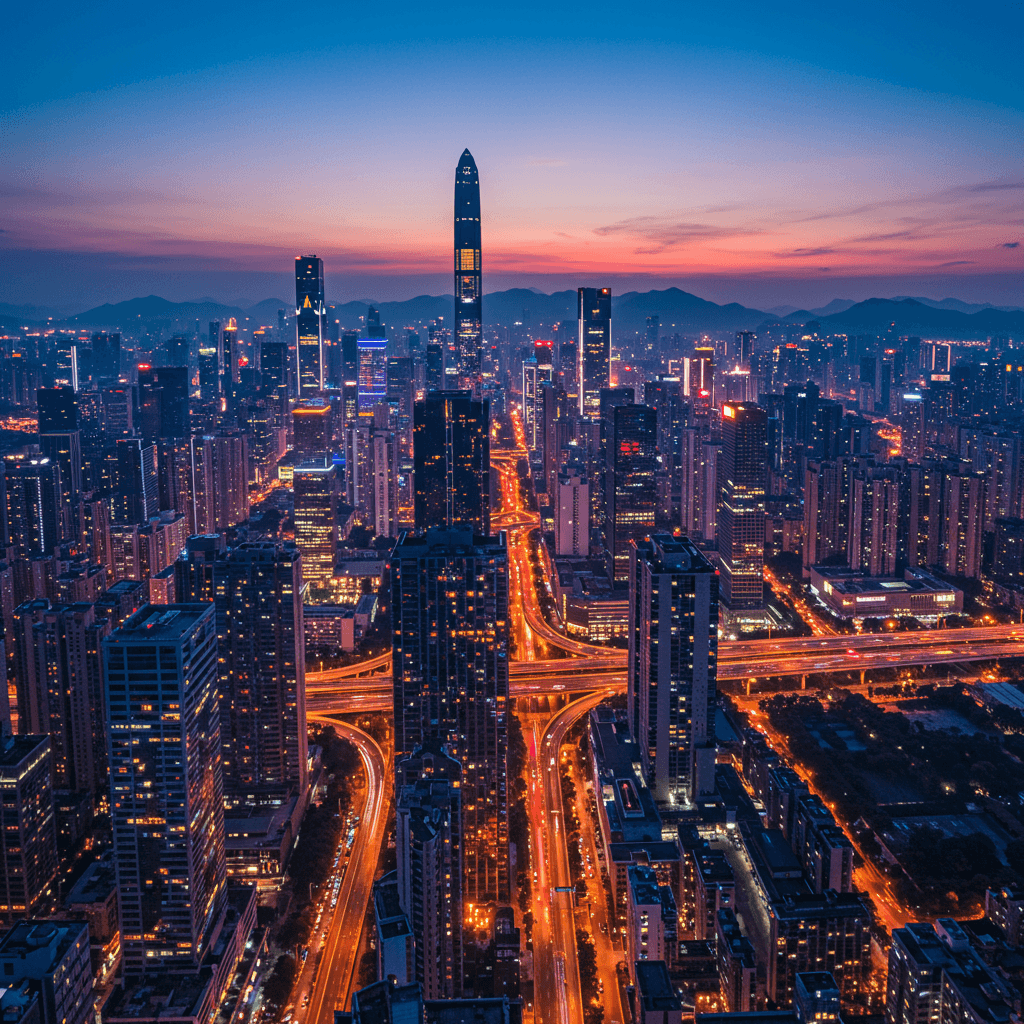
Shenzhen, once a small fishing village, has transformed into a global technology and innovation powerhouse. Located in Guangdong Province, just north of Hong Kong, this megacity is now home to some of the world’s biggest tech companies, cutting-edge startups, and a vibrant cultural scene.
Whether you’re a tech enthusiast, a business traveler, or a curious tourist, Shenzhen offers a unique blend of modernity, innovation, and tradition. In this blog post, we’ll explore what makes Shenzhen so special—from must-visit attractions to how to get there and where to go.
Why Shenzhen Stands Out?
1. The Silicon Valley of China
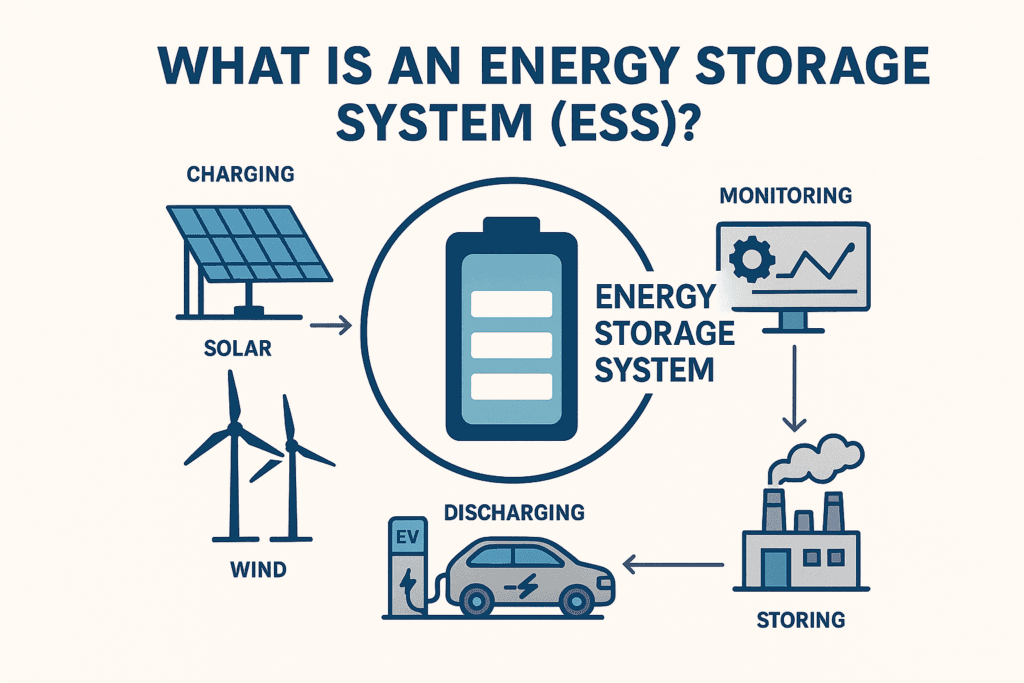
Shenzhen is often called China’s answer to Silicon Valley. It’s the headquarters of tech giants like Huawei, Tencent, DJI, SunLith Energy and BYD. The city is a hotspot for startups, electronics manufacturing, Battery Energy Storage Systems, and innovation, making it a must-visit for entrepreneurs and tech lovers.
2. Electronics & Gadgets Galore at Huaqiangbei
No visit to Shenzhen is complete without exploring Huaqiangbei, the world’s largest electronics market. Here, you’ll find everything from smartphones and drones to DIY electronics components—often at unbeatable prices.
3. A Green City with Urban Nature
Despite its futuristic skyline, Shenzhen boasts plenty of green spaces. Shenzhen Bay Park, Lianhuashan Park, and Wutong Mountain offer scenic escapes from the urban hustle. The city is also known for its eco-friendly initiatives, including electric buses and bike-sharing systems.
4. Thriving Arts & Culture Scene
Shenzhen isn’t just about tech—it has a growing arts and culture scene. Check out:
- OCT Loft Creative Culture Park – A hub for galleries, cafes, and indie boutiques.
- Shenzhen Museum – Learn about the city’s rapid transformation.
- Dafen Oil Painting Village – A fascinating area where artists recreate famous paintings.
5. Foodie Heaven
From street food to high-end dining, Shenzhen’s culinary scene is diverse. Don’t miss:
- Cantonese dim sum
- Spicy Sichuan dishes
- Seafood at Dapeng Peninsula
- International cuisine in Shekou (home to a large expat community)
Top Places to Visit in Shenzhen
1. Huaqiangbei Electronics Market
???? Futian District
???? Best for: Tech lovers, gadget shopping, electronics wholesale
2. Window of the World
???? Nanshan District
???? Best for: Families, photo opportunities, global landmarks in miniature
3. OCT Loft Creative Culture Park
???? Nanshan District
???? Best for: Art galleries, cafes, hipster vibes
4. Dafen Oil Painting Village
???? Longgang District
???? Best for: Art lovers, unique souvenirs, watching artists at work
5. Shenzhen Bay Park
???? Nanshan District
???? Best for: Cycling, jogging, waterfront views
6. Dongmen Pedestrian Street
???? Luohu District
???? Best for: Shopping, street food, local fashion
7. Lianhuashan Park
???? Futian District
???? Best for: City skyline views, picnics, cherry blossoms (in season)
8. Splendid China Folk Village
???? Nanshan District
???? Best for: Cultural performances, miniature Chinese landmarks
9. Wutong Mountain
???? Luohu District
???? Best for: Hiking, nature escapes, panoramic city views
10. Shekou Sea World
???? Nanshan District
???? Best for: Nightlife, expat-friendly dining, waterfront entertainment
How to Reach Shenzhen
✈️ By Air: Shenzhen Bao’an International Airport (SZX)
- Connects to major cities worldwide, including Beijing, Shanghai, Tokyo, and Singapore.
- Airport Express Metro Line 11 takes you downtown in ~30 minutes.
???? By High-Speed Train (From Hong Kong & Mainland China)
- From Hong Kong: Take the MTR to Lo Wu/Lok Ma Chau border, then transfer to Shenzhen Metro.
- From Guangzhou: High-speed trains (~30-40 mins) arrive at Shenzhen North Station.
- From Beijing/Shanghai: Direct bullet trains (~8-12 hours).
???? By Bus (From Nearby Cities)
- Frequent cross-border buses from Hong Kong, Macau, and Guangzhou.
???? By Ferry (From Hong Kong & Macau)
- Ferries arrive at Shekou Port or Fuyong Ferry Terminal.
???? Getting Around Shenzhen
- Metro: Efficient, cheap, and covers most attractions (English signs available).
- Didi (Chinese Uber): Convenient for taxis and ride-hailing.
- Bike-Sharing: Mobike and Hello Bike are popular for short trips.
Final Thoughts
Shenzhen is a city of contrasts—where cutting-edge technology meets traditional culture, and skyscrapers stand alongside lush parks. Whether you’re here for business, innovation, or exploration, Shenzhen promises an unforgettable experience.
Have you been to Shenzhen? Share your favorite spots in the comments below!